
ACMobility leads Philippine EV charging network with 43.5% share
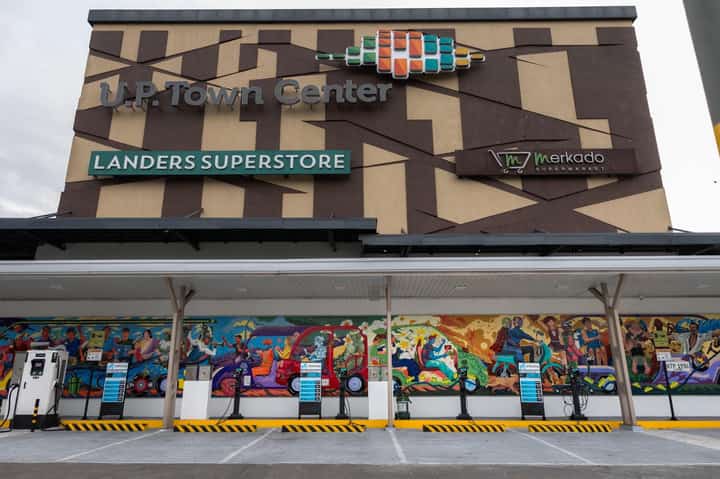
ACMobility, the country’s leading end-to-end electric mobility provider, held the largest share of electric vehicle (EV) charging infrastructure in the Philippines as of the end of June, reflecting its efforts to expand the country’s EV charging network.
Based on its official report, ACMobility continued to lead in both the number of EV charging hub locations and charge points among operators in the Philippines during the first half of the year, according to Department of Energy data.
ACMobility accounted for 45 percent of fixed charging locations, with 222 EV charging hubs out of a total 492 nationwide.
Of the 1,246 charge points across the country, ACMobility accounted for 542, or 43.5 percent.
“Our goal at ACMobility is to help drive the Philippines’ shift to electric mobility by making EV charging accessible where people live, work, play, and travel. Through the Philippine EV Spine, we are committed to connecting the archipelago with charging hubs that will enable Filipinos to charge anywhere, drive everywhere with EVs,” said Carla Buencamino, head of Mobility Infrastructure at ACMobility.
The company said that as demand for EVs increased amid oil supply volatility this year, it ramped up its EV charger installations by leveraging its dealership network and partnering with fuel stations, malls, residential and office buildings, restaurants and other retail brands to secure strategic locations.
Earlier this year, ACMobility’s “Drive Electric, Love Pinas” campaign with BYD and the Department of Tourism demonstrated the feasibility of cross-country EV travel in the Philippines through a continuous 3,500-kilometer journey from Pagudpud, Ilocos Norte, to General Santos City, covering 102 cities and towns in 22 days.
ACMobility’s EV charging hubs, which offer both AC and DC fast chargers, are available to private EVs and public transport fleets across vehicle brands.
Its chargers can be accessed through the Evro app, which allows drivers to locate available chargers, monitor charging sessions and pay through GCash or credit card.
“By making EV charging accessible to owners of all vehicle brands and types, we are optimizing our infrastructure to power the country’s growing EV community. We hope to encourage more Filipinos to embrace electric mobility so they can enjoy a more cost-effective and sustainable transport option,” Buencamino said.