
Bato escape: DoJ subpoenas Padilla, others
The subpoenas were issued after the DoJ completed its evaluation of the complaint and proceeded with a formal preliminary investigation.
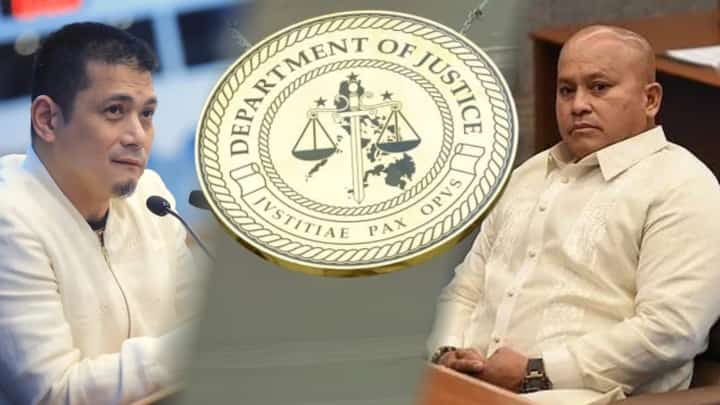
The Department of Justice (DoJ) has issued subpoenas to Sen. Robin Padilla and several others over allegations that they helped Sen. Ronald “Bato” dela Rosa evade arrest after the International Criminal Court (ICC) issued a warrant against him.
The subpoenas were issued after the DoJ completed its evaluation of the complaint and proceeded with a formal preliminary investigation.
Padilla and the other respondents were ordered to appear before the DoJ panel of prosecutors on 25 September and 9 October 2026 to submit their counter-affidavits and supporting documents.
The Philippine National Police-Criminal Investigation and Detection Group filed the complaint against Padilla, Lt. Col. Jean Alia Yasin Robles, Virgilio Palaganas Carino Jr. and four John Does for alleged obstruction of the apprehension and prosecution of criminal offenders.
The complaint stemmed from allegations that the respondents helped Dela Rosa evade arrest after the ICC issued a warrant in connection with the Duterte administration’s anti-illegal drug campaign.
The DoJ earlier returned the complaint to the CIDG for further investigation after prosecutors sought additional evidence and statements from individuals involved.
Justice Undersecretary Ian Norman Dato said the complaint was being handled under DOJ Department Circular 20, which requires coordination and information exchange between prosecutors and law enforcement agencies before a complaint proceeds to preliminary investigation.
Justice Secretary Fredderick Vida also confirmed that the complaint had been returned to the CIDG under the same procedure.
With the subpoenas now issued, Padilla and the other respondents will have an opportunity to answer the allegations as the DOJ begins the formal preliminary investigation.