
Let them swim wild and free
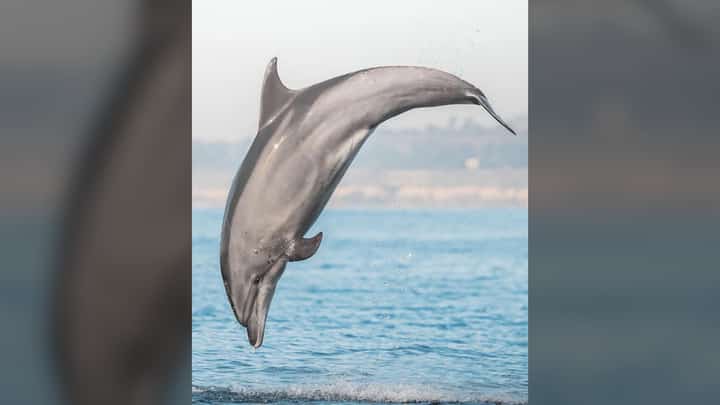
DURING the Taiji dolphin hunts, bottlenose dolphins are among the primary species targeted for live capture, driven largely by demand from dolphinariums and entertainment facilities around the world. The remaining dolphins may be killed for meat.
Photograph courtesy of Delaney Trowbridge for immp
There is something magical about dolphins that attracts us to them. Whether it is the intelligence in their eyes, the smiles that always seem to be on their lips, or perhaps the fact that their lives have been an example of gentle love for us, dolphins have always been captivating creatures.
Flashback
One of my first encounters with animal cruelty came in the form of a report. It was in 2012 when animal advocate and Philippine Animal Welfare Society (PAWS) executive director — now a lawyer — Anna Cabrera asked if I wanted to witness PAWS filing charges against the people responsible for the death of one of the 25 dolphins shipped from Ocean Adventure in Subic, Zambales, to Singapore.

TIME for painting: PAWS volunteers painting dolphin mural
Photograph courtesy of PAWS
“They’re citizens of the world. They belong to our children, our children’s children. They don’t belong to us,” she said, referring to the dolphins.
Today — 2026
Did you know that every September, the waters off Taiji, Japan, become the scene of one of the world’s most controversial wildlife hunts? Dolphins are driven toward the coast, where some are killed and others are selected alive for a far more lucrative destination: captivity.
For Filipino advocates, this is not simply a story happening thousands of kilometers away; we are part of it.
Time for action — now
Dolphins and whales cross national boundaries, and their populations are connected to shared oceans. The captive trade likewise crosses borders. If the industry is global, advocates argue, the response must be global, too.
“We cannot look at Taiji as something that happens somewhere else,” said Trixie Concepcion, regional director of Earth Island Institute Asia Pacific (EII-AP). “If there is demand for dolphins in captivity, countries outside Japan also have to examine their own role in sustaining that demand.”
“Every ticket purchased for a dolphin show helps sustain an industry that profits from confining wild animals for entertainment,” added Jana Sevilla, a campaigner for People for the Ethical Treatment of Animals (PETA) Asia. “When people choose not to support these attractions, they help reduce the demand that drives dolphin captures and captivity.”
Solidarity mural for dolphin freedom
A solidarity mural calling for an end to dolphin captivity and greater protection for marine mammals was unveiled on September 1, Japan Dolphin Day, at the University of the Philippines Diliman. This coincided with environmental groups marking the start of Japan’s annual Taiji dolphin hunt season.
Organized by EII-AP, PAWS, and partner organizations, The Art Attack: Dolphin Mural Action brought together environmental artists AG Saño, Voltaire Guray, Yesha Castillo and Dakila Cutab, alongside volunteers and animal welfare advocates. Together, they created a public mural at the PAUW-UP Child Study Center promoting marine mammal conservation.
The event highlighted the annual Taiji dolphin drive hunts, which continue until March. Independent monitoring of the 2025–2026 hunting season documented 84 dolphins captured alive for the captive display industry and 416 slaughtered for meat. For advocates, it is the continued global demand from marine parks that fuels these captures.
For renowned environmental artist AG Saño, the mural is more than a work of art — it is a public statement of solidarity. “Public art has the power to turn walls into conversations,” Saño said. “This mural is our reminder that dolphins are not performers —they are sentient beings with a rightful place in the ocean. We hope everyone who passes by this wall leaves with a deeper respect for marine life and a commitment to protect it.”
What happens in Taiji?
During the hunts, dolphins are driven and trapped in a cove, where some are killed for meat while others are selected alive for the captive entertainment industry. It is at these events where trainers and buyers select young, healthy dolphins.
A dolphin killed for meat reportedly brings in only around US$500 to $600, while a live dolphin can earn thousands of dollars — and, according to industry insiders, as much as US$200,000 on the international market.
Demand creates a financial incentive
“Many people enjoy dolphin shows without realizing that the animals performing there were taken from the wild,” Concepcion noted. “As long as there is demand for dolphin entertainment, there will be a market for wild-caught dolphins.”
For advocates, every dolphin show, swim-with-dolphin program, or marine park that purchases wild-caught animals directly contributes to this demand. (Part 2 on 16 September)