




JV: Rising health gains must outstrip inflation

Text size
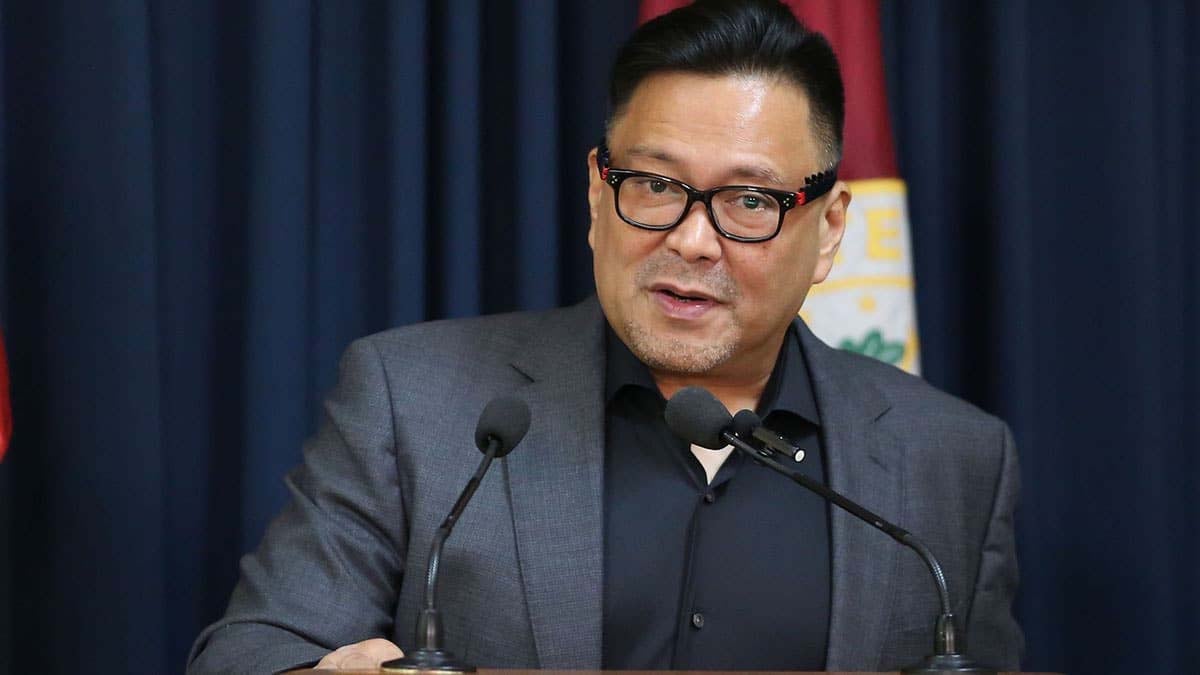
Rising hospital charges and professional fees could offset higher healthcare benefits, as cases are prevalent in which Filipino patients still face hefty medical bills despite having Philippine Health Insurance Corp. (PhilHealth) coverage, Senate senior deputy majority leader JV Ejercito said.
“It is not enough to increase PhilHealth benefits if medical inflation, higher hospital charges, and professional fees simply eat these up. Otherwise, the benefit to patients will also be limited,” Ejercito said during the recent Senate Committee on Finance budget hearing.
“Ultimately, our measure of the health budget should not only be how much has been allocated. The question is: Are patients paying less? Is healthcare more accessible? And are more Filipinos being protected?” he said.
The Senate panel, chaired by Ejercito, has approved at the committee level the P353.58-billion proposed 2027 budget of the Department of Health (DoH) and its attached agencies and corporations.
The DoH initially requested P376.71 billion from the Department of Budget and Management (DBM).
For PhilHealth, the 2027 National Expenditure Program (NEP) provides P74.45 billion in state subsidy.
During the budget hearing, PhilHealth president and CEO Beverly Ho said the agency is pursuing several measures to address the problem.
These include negotiating directly with hospitals, working with medical societies on professional fees, and providing incentives that increase zero balance-billing beds.
Ho said PhilHealth is also studying the use of Diagnosis-Related Groupings (DRG) and patient data to better adjust case rates for patients with more complex conditions, such as those with comorbidities or older patients.
As principal sponsor and author of the Universal Healthcare (UHC) Act, Ejercito underscored the country’s high out-of-pocket healthcare spending, noting that the government is targeting a reduction in the household out-of-pocket share from the current 41.2 percent to 28 percent.
He also questioned whether the proposed PhilHealth budget would be enough to sustain the expansion of benefits and move the country closer to the UHC goal.
Ho said the agency would need around P244 billion next year to cover the projected payouts for indirect contributors based on current benefits and utilization. This would leave a significant gap against the P74.45-billion allocation in the NEP.
Ejercito also said faster payments should continue to be pursued to help reduce the financial pressures being passed on to patients.
A traditional dish called zongzi is served during China’s Dragon Boat Festival, which falls in June. It is a rice…
Divina credited the firm’s achievements to its members, thanking them for their ‘hard work, dedication, teamwork, and…
‘Sec. Vince Dizon, please explain how this finding of your own team should not be flagged as a ghost project in Taguig.’
