




California clears plug-in solar for homes

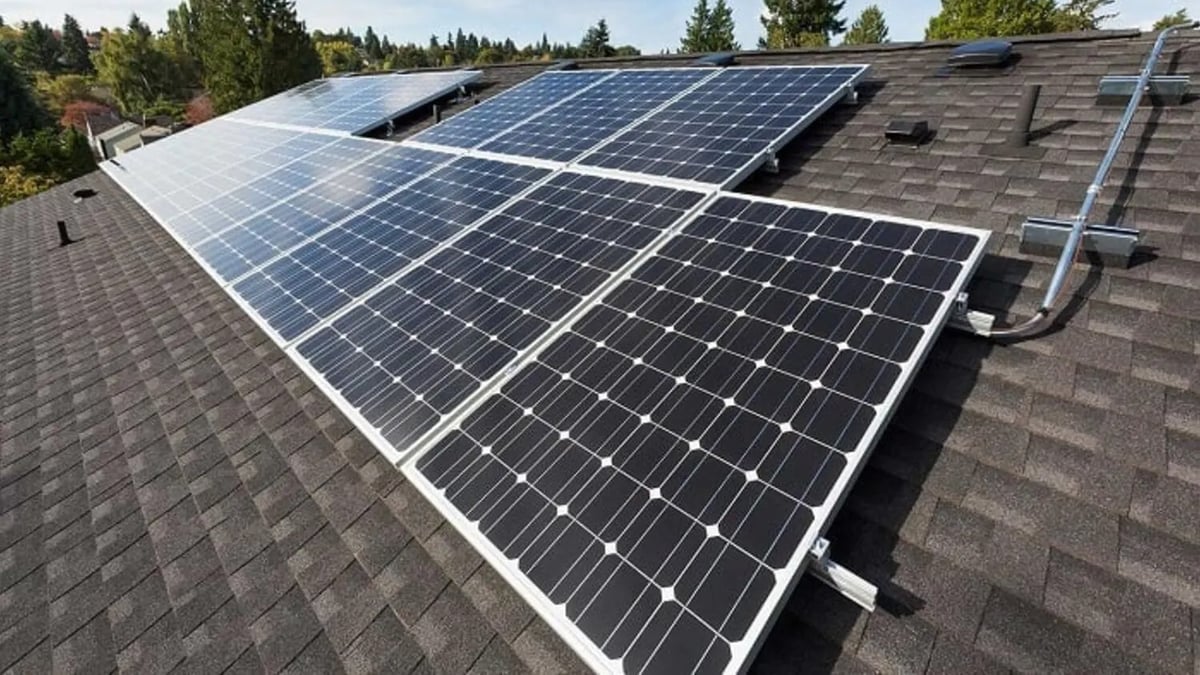
California lawmakers have approved legislation that would allow residents to use small solar systems that plug directly into standard household outlets.
Senate Bill 868, known as the Plug and Play Solar Act, would allow portable solar systems with up to 1,200 watts of output per dwelling. The measure has cleared both chambers of the state Legislature and is awaiting action by Gov. Gavin Newsom.
The systems, often called balcony solar, are smaller and cheaper than conventional rooftop installations. They can be placed on balconies, in backyards or on other suitable areas and connected to a home through a standard electrical outlet.
Supporters say the technology could give renters, apartment residents and homeowners who cannot install rooftop panels another way to generate electricity and reduce utility bills.
Under the bill, qualifying systems would temporarily be exempt from most utility interconnection requirements and would not need prior utility approval. Utilities could still require users to register their systems.
The devices would also have to meet electrical safety standards and include technology preventing electricity from feeding back into the grid during an outage.
The exemption from interconnection requirements would run until 1 January 2030 under the enrolled version of the bill.
Plug-in solar first gained broad popularity in Germany and has since drawn interest in the US as households look for cheaper alternatives to full rooftop systems.
Utah became the first US state to legalize the technology, while several other states have since approved similar measures. New York and New Jersey have also advanced plug-in solar legislation.
California supporters argue the technology could be particularly useful as electricity rates continue to rise.
A traditional dish called zongzi is served during China’s Dragon Boat Festival, which falls in June. It is a rice…
Divina credited the firm’s achievements to its members, thanking them for their ‘hard work, dedication, teamwork, and…
‘Sec. Vince Dizon, please explain how this finding of your own team should not be flagged as a ghost project in Taguig.’
The bill’s author, state Sen. Scott Wiener, has said some households could save as much as $450 a year depending on the system and home.
