Did quarrying weaken collapsed Tarlac bridge?

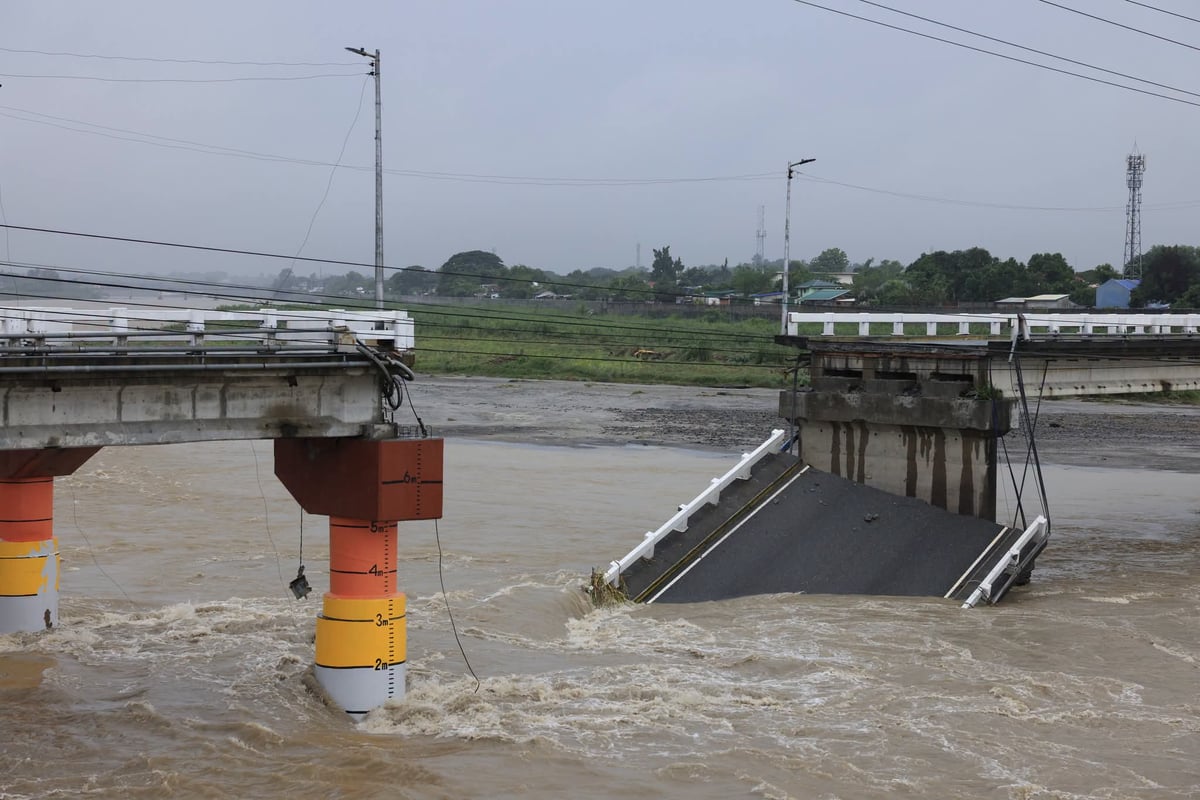


The collapse of a section of the Ninoy Aquino Bridge in Tarlac City has put quarrying activities along the Tarlac River under scrutiny as authorities examine what caused the 25-year-old structure to fail.
A substantial portion of the bridge along Romulo Highway collapsed on 28 August amid strong currents in the Tarlac River following heavy rains brought by the southwest monsoon.
The bridge served as a key link between western Tarlac City and the central Poblacion area.
The incident has raised questions among local officials and residents over whether excessive or unregulated extraction of sand and gravel from the riverbed contributed to weakening the bridge's foundations.
However, an engineering investigation would be needed to determine whether quarrying played a direct role in the collapse.
Excessive riverbed quarrying is a recognized threat to bridges because removing sand and gravel faster than they can naturally be replenished can lower the riverbed and alter the flow of water.
One of the major risks is scouring, in which fast-moving water removes sediment surrounding bridge piers and foundations.
As the riverbed deepens, previously buried sections of a bridge's foundation can become exposed and lose some of the surrounding soil that provides structural support.
The danger increases during floods, when stronger currents can accelerate erosion around piers and other supporting structures.
The Tarlac River system also carries large quantities of volcanic sediment originating from areas affected by the 1991 Mount Pinatubo eruption.
Rivers draining Pinatubo transported enormous volumes of lahar and volcanic material into surrounding lowlands following the eruption. Over time, these deposits have continued to reshape river channels and floodplains.
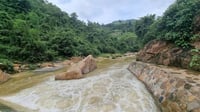
In Tarlac, the O'Donnell and Bangat river systems contain broad upstream valleys and narrower sections that influence how sediment and floodwaters move downstream.
When strong flows emerge from mountain channels onto Tarlac's flatter alluvial plains, volcanic sediment can be carried downstream as sand-rich, sediment-laden flows.
Heavy or prolonged rainfall can further increase river discharge and erosion, placing additional pressure on bridges and other infrastructure built across waterways.
The Ninoy Aquino Bridge was completed around 2001 and named after former Sen. Benigno “Ninoy” Aquino Jr.
Its collapse has disrupted a major route in Tarlac City while authorities assess the damage and determine the factors that led to the failure.