
XPENG sets Phl debut with X9, L03

XPENG will enter the Philippine market in September with two vehicles that put artificial intelligence at the center of its pitch to local buyers.
The Chinese electric vehicle maker will introduce the X9, a seven-seat MPV, and the L03, a coupe-style sport utility vehicle. Philippine specifications, variants, prices and availability will be announced during the official launch.
The X9 is the company’s flagship model and is aimed at families and executives who need more passenger space. Its cabin and onboard systems place greater weight on comfort and technology.
The L03 takes a sportier approach. It has a fastback shape and carries the same emphasis on software and driver assistance, but in a smaller package for daily use.
Both vehicles will arrive as more Chinese carmakers compete in the country. Electric models have become easier to find, while long equipment lists and modern cabins are no longer unusual selling points.
XPENG wants its software and artificial intelligence work to set its vehicles apart in an increasingly crowded field.
The company calls its approach AI Mobility. In practical terms, the idea is to develop cars that can use sensors and software to read conditions around them, support the driver and adjust parts of the vehicle experience to suit the user.
Sam Chu, XPENG general manager for Southeast Asia, said the company wants Filipino motorists to see artificial intelligence as more than an added feature.
He said both vehicles follow the belief that “the next generation of mobility will be defined not only by how vehicles are powered, but by how intelligently they serve the people who use them.”
XPENG develops its driver-assistance technology and in-car operating system in-house. It also works on the vehicle powertrain and electrical architecture rather than turn entirely to outside suppliers for these core systems.
At the end of 2025, XPENG had 8,845 employees in research and development, or more than 40 percent of its workforce. Their fields include software, vehicle engineering and robotics.
The automaker describes its wider program as Physical AI, which refers to artificial intelligence used by machines that operate in the real world. Its projects extend outside the passenger vehicle business.
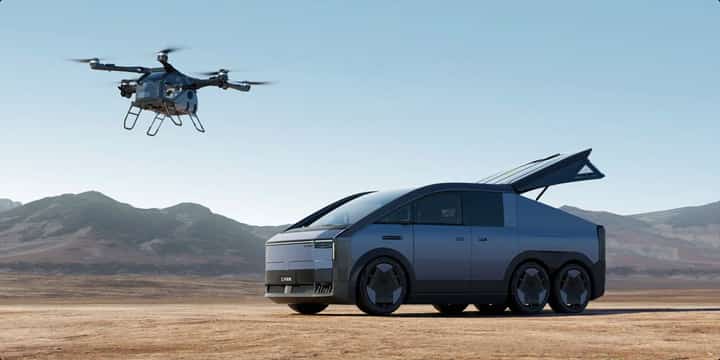
XPENG has developed the IRON humanoid robot, which it plans to use as a guide at its retail outlets. The company is also connected to ARIDGE, a low-altitude mobility firm that is working on vehicles with detachable electric aircraft.
However, they show the scale of XPENG’s technology plans and explain why it does not want to be seen only as another EV manufacturer.
Artificial intelligence also has a role at its factories. XPENG uses automated production systems and AI-supported quality checks during vehicle assembly.
Those answers will come in September. Until then, XPENG’s opening message is that the next contest among electric vehicles may depend as much on their software as on their batteries.