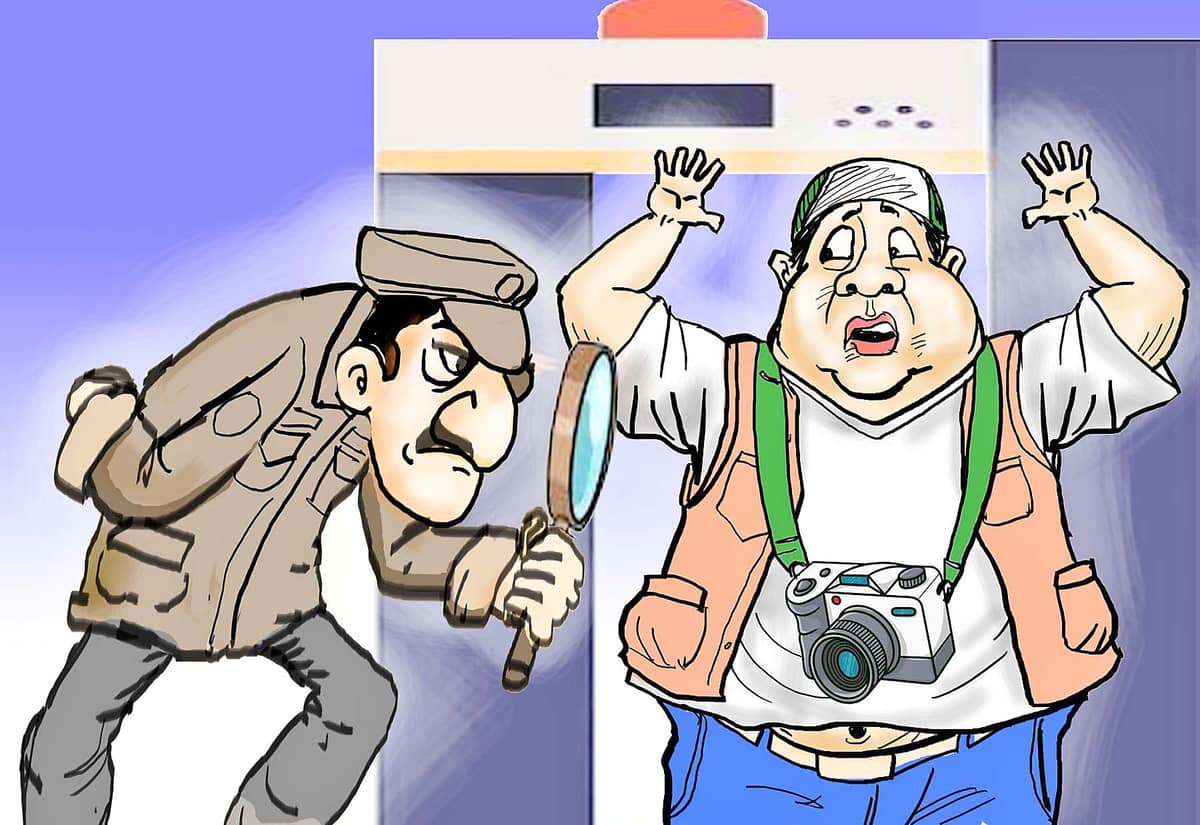
Anti-media camp
Nosy Tarsee dishes today on a story that began with the assignment desk and ended, fittingly, with nobody actually covering the news.
A certain military camp has spent decades as ground zero for hard news coming out of the capital — coup attempts, changes of command, press conferences that move markets and topple careers. You’d think a place so used to reporters camping outside its gates would have made peace with the media by now. You’d be wrong.
Every new commander, it turns out, brings a new set of house rules. The latest one concerns something as basic as driving through the front gate. It used to be simple: drive up, show your badge, park your car.
A Grab ride worked. Taxis worked. Not anymore. Now everyone — reporters included — is funneled through a pedestrian entrance, where a soldier with a clipboard wants to know exactly where you’re headed before you’re allowed to set foot on the grounds.
Nosy Tarsee found this out the hard way, summoned like everyone else to a briefing called by the camp’s information office. No vehicles allowed meant a three-quarter kilometer hike to reach the venue — sweat-soaked before the first question was even asked.
But the walk wasn’t the indignity; the gate was. The guard on duty wanted a camp-issued media ID, the kind issued to reporters permanently assigned to the beat. Nosy Tarsee found a working journalist, not a permanent fixture there, who had no such card, only a company-issued media ID that he presented instead. The soldier’s response: are you sure you’re really with the media?
What followed was less a checkpoint than a cross-examination, one that ate up enough time that Nosy Tarsee gave up trying to talk his way in and instead fired off messages to camp officials about the runaround he’d just gotten.
The complaints landed. Whatever was said at the briefing did not — the spurned reporter had missed the whole thing.
Access is supposed to be the easy part. Getting the story out is supposed to be the hard part. Someone got the order backward.