
Palace backs banning of social media platforms that can ruin children, nation
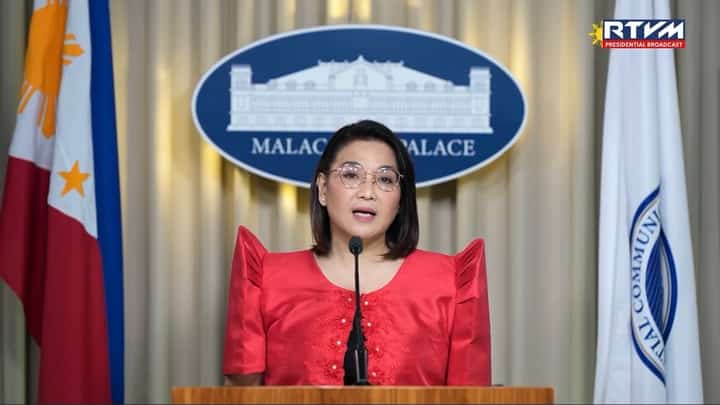
Malacañang Palace on Tuesday said it is backing proposals to ban social media platforms that can bring harm to citizens, especially children.
This was amid a recent statement from the Cybercrime Investigation and Coordinating Center that it is considering proposals to ban Facebook (Meta) in the country to protect children from online abuse and avert the proliferation of fake news, even if it would have social and political implications.
“Sa lahat ng gaming apps, lahat ng puwedeng masabing makakasira sa ating mga kabataan at sa bansa natin, open po ang Pangulo na matanggal ang lahat ng iyan,” said Palace press officer, Presidential Communications Undersecretary Claire Castro, in a briefing on Tuesday.
However, the Palace official did not specifically mention Facebook, adding that such a proposal needs further study.
“Kung kinakailangan po at ito po ang napag-aralan kasi marami po talagang … hindi lamang po sa nagiging marahas iyong nakikita natin sa iba’t ibang klase na social platform at sa social media, kailangan din pong pag-aralan kung ito ba ay nakakabuti sa paglaganap ng mga fake news sa ating bansa,” said Castro.
She also warned that social media platforms would be banned if they do not follow the government’s regulations.
“Kung hindi magkakaroon ng accountability ang anumang social media platform at parang nababalewala ang ating mga hiling para maproteksyunan ang ating mga kababayan laban sa karahasan, laban sa fake news, kung mabagal ang pagtugon, magandang pag-isipan at pag-aralan kung dapat pa ba silang manatili na parte ng ating sistema,” she said.
Curtailing free speech
Asked if such backing would mean curtailing freedom of speech, Castro said banning depends on the kind of content being posted over social media platforms.
“Iba naman po kasi iyong fake news; iba naman po kasi iyong ikaw ay naglalahad lamang ng inyong opinion, kritiko ka, hindi po iyan pinagbabawalan. Wala pong pinagbabawalang kritiko lalung-lalo na sa panahon ngayon ni Pangulong Marcos Jr.,” she said.
“Ang hindi lamang po natin matatanggap at lalung-lalo nang hindi matatanggap ng Pangulo ay ang paglaganap ng fake news. Kasi kapag fake news po ang umiral sa atin at ngayon tayo ay nabubuhay sa fake news, papaano na po ang magiging kinabukasan ng ating mga kabataan at kinabukasan mismo ng ating bansa kung puro fake news tayo mabubuhay,” Castro insisted.
DataReportal, a digital research platform that provides free reports on global internet, social media, mobile, and e-commerce trends, reported that the Philippines ranks among the most active and engaged social media markets globally, boasting approximately 95.8 million active social media user identities—equivalent to roughly 81.9 percent of the total population.
Further, it said that Facebook achieved an active user reach of approximately 90.8 million to 95.8 million users in the Philippines in 2025, representing roughly 94.9 percent of the country's online user base.
Just days ago, Interior and Local Government Secretary Jonvic Remulla said that the junior high school shooter in the 18 August Zamboanga school shooting may have been influenced by Roblox, a game that was previously linked to incidents of online child exploitation, calling for its total ban.
In April, Senate President Sherwin Gatchalian filed Senate Bill No. 2066 or the Social Media Safety for Children Act, which seeks to prohibit minors under 16 from registering, accessing, or maintaining accounts on social media platforms.
The proposal mandates that platform providers should implement age and identity verification systems, conduct regular audits to detect and deactivate accounts of underage users, and establish reporting and response mechanisms to prevent violations.
Further, it mandates safeguards to prevent circumvention of age restrictions, including controls on duplicate or reactivated accounts, as well as tools to support parental supervision and responsible use.(RAFFY AYENG)