
Can microplastics cause cancer? Singapore doctor sheds light
If water source safety is uncertain because of flooding, DoH advised boiling water thoroughly before consumption.


In light of the recent heavy rains and flooding, the Department of Health (DoH) reminded everyone to drink only safe or properly treated water.
If water source safety is uncertain because of flooding, DoH advised boiling water thoroughly before consumption.
But while boiling water kills living germs and pathogens, it does not remove chemical toxins and heavy metals such as those found in microplastics and nanoplastics.Safe drinking water
Microplastics — tiny plastic pieces under five millimeters wide — and nanoplastics — microscopic plastic particles ranging from 1 to 1,000 nanometers — that both formed from the breaking down of larger plastics, now pollute water, soil, air and global food chains. Thus, it is now inevitable that micro and nanoplastics are already everywhere — we breathe and eat it all the time, according to Harvard Medical School.
Science Direct estimates that thousands to millions of microscopic plastic pieces circulate within every individual, detected inside human blood, lungs, placentas and brain tissue. These come from synthetic clothing fibers, industrial dust, broken-down trash, and yes, even in boiled water.
Sources such as Harvard and the US National Institutes of Health (NIH) report that boiling water inside plastic electric kettles can cause “kettle shedding,” wherein millions of microplastics are dispersed into your drink instead of purifying it.
Boiling hard water, which comes from sources such as rivers, reservoirs like dams, groundwater and wells, can remove up to 90 percent of nano and microplastics since hard water has calcium carbonate that form into limescale that traps plastic particles. After cooling down the boiled water, the limescale can simply be scooped out or filtered even with a coffee filter.
But if the water is soft, which comes from sources such as chemically-treated water, rainwater and snowmelt, only up to 25 percent of micro and nanoplastics can be removed, according to sources like Healthline and Yale University.
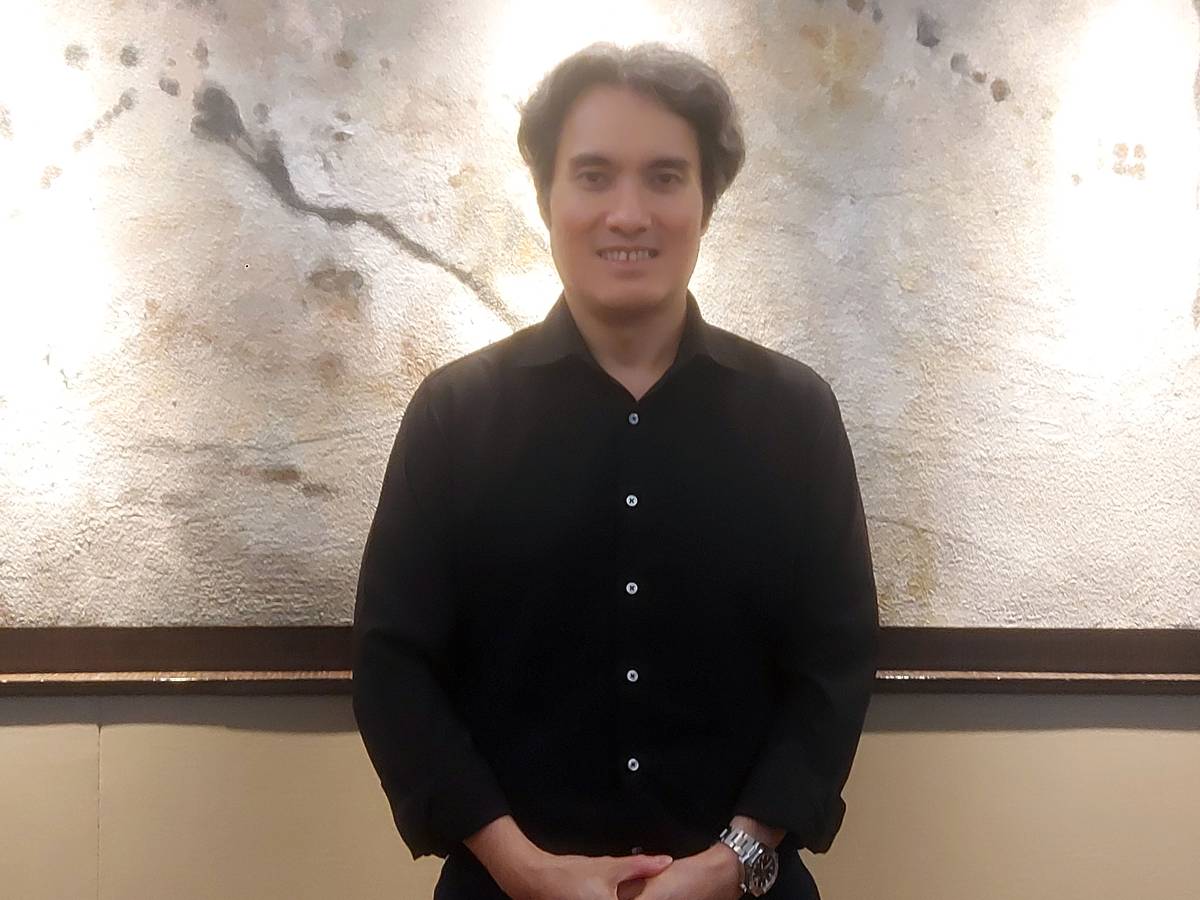
Dr. Colin Diong of Parkway Cancer Center.
PHOTOGRAPHS BY DENI BERNARDO FOR DAILY TRIBUNE
Thus, these sources recommend using stainless steel or glass pots to boil any kind of water, as well as avoiding plastic containers or utensils when handling hot water.
Since nano and microplastics cannot anymore be avoided even through purification procedures like boiling, DAILY TRIBUNE asked an oncologist if these can cause cancer.
Numerous sources, such as Harvard, Yale, Healthline and NIH, warn that plastic particles pose health risks such as digestive system issues (alter gut microbiota, gastrointestinal irritation, damage intestinal lining), respiratory system problems (cough, airway inflammation, aggravated asthma), cardiovascular system (heart attacks and strokes), reproductive and endocrine systems (hormone and sperm quality disruption) and cellular and brain health (oxidative damage and cellular death).
When it comes to causing cancer, however, “I’m not sure whether anything is proven,” Singapore-based oncologist, Dr. Colin Diong of Parkway Cancer Center, told DAILY TRIBUNE in an exclusive interview.
“Yes, but it’s true there’s a lot of carcinogens in our food already — in our water, how our plants are grown and so on. And you know, this one (plastic particles), we got no choice, right?” he said.
“Direct and definitive proof that nanoplastics cause cancer in humans is currently lacking, but laboratory and animal research shows they can trigger biological mechanisms linked to cancer. Scientists are actively studying how these microscopic particles interact with human cells and tissues,” NIH adds in its website.
In anything, therefore, prevention is best even if it’s “very difficult,” Diong said. For example, if one works in a toxic environment, he suggested using protective gear against chemicals.
Besides ensuring safe drinking water, the DoH urged the public to prepare emergency go bags and remain vigilant against “WILD” diseases this rainy season — water-borne illnesses, influenza-like diseases, leptospirosis and dengue.