
Tarlac organic farmers undergo training on nursery accreditation, plant material certification

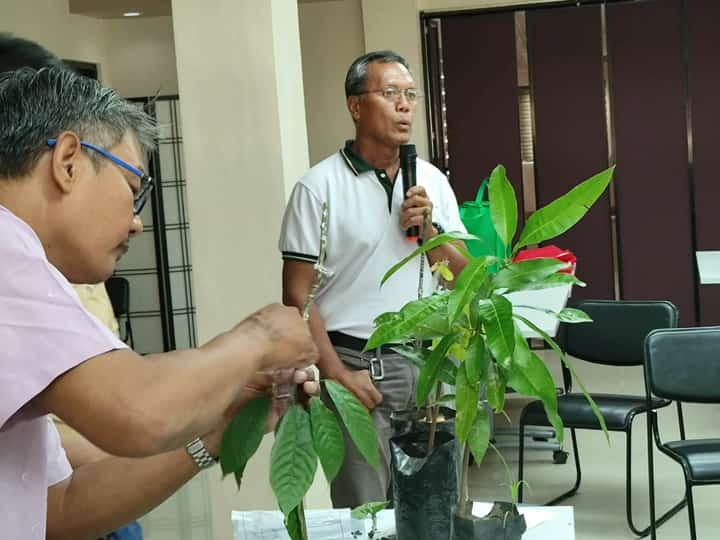
Organic farmers in this province underwent Training on Nursery Accreditation, Plant Material Certification, and Philippine Good Agricultural Practices (PhilGAP) Certification at the Department of Agriculture (DA) Central Luzon Integrated Agricultural Research Center for Lowland Development (CLIARC-LD) in Tarlac City on 23 July 2026.
In a belated post yesterday, the DA Regional Field Office 3 (RFO3) led the training thru its Regulatory Division, with members from the Tarlac Organic Producers (TOPS) taking part to broaden their knowledge in the current standards and regulations in the production of quality planting materials and safe farming.
Regulatory Division Chief Dr. Xandre D. Baccay, and Assistant Division Chief Marilyn G. Velarde led the training.
During the first part, Bureau of Plant Industry Senior Agriculturist Noli P. Garcia discussed the Plant Nursery Management and Accreditation. Garcia explained the proper management of plant nursery and the importance of accreditation in ensuring quality seedlings.
This was followed by BPI-NSQCS Agriculturist II Reshel J. Deytiquez’ presentation on the processes and requirements for the Plant Nursery Accreditation and Plant Material Certification, including the necessary documents and standards to ensure quality and traceability of planting materials.
Meanwhile, DA-RFO III Agriculturist II Roel R. Rubion discussed the Philippine Good Agricultural Practices (PhilGAP), explaining the four primary principles, standards, and processes of application for PhilGAP Certification.
He stressed the importance of following Good Agricultural Practices to ensure food safety, environmental protection, and increase the quality of harvest.
In her closing remarks, Assistant Division Chief Velarde urged the participants to utilize the knowledge they learned and continue to follow the standards set to contribute a safer, higher quality, and sustainable agricultural sector.