
Gov't launches P60-B EV manufacturing incentive program
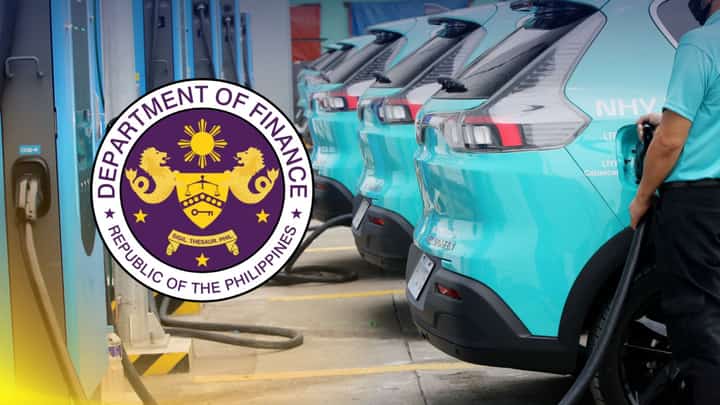
The government has established a P60-billion incentive program for electric vehicle (EV) manufacturers as the Philippines seeks to attract large-scale investments, develop local supply chains and strengthen its position in the global automotive industry, according to the Department of Finance (DOF).
President Ferdinand R. Marcos Jr. issued Executive Order No. 121 establishing the Electric Vehicle Incentive Strategy (EVIS) Program, which provides targeted, performance-based fiscal support to qualified EV manufacturers.
The program, approved by the Fiscal Incentives Review Board (FIRB) in May, is also intended to reduce the country's dependence on imported fossil fuels, accelerate the shift toward cleaner energy and improve long-term energy security.
"The EV Incentive Strategy sends a clear signal that the Philippines is ready to compete for the next generation of automotive investments. Through a targeted and performance-based incentive system, we are encouraging manufacturers to build, innovate, and grow in the Philippines while creating quality jobs for Filipinos," Finance Secretary and FIRB Chair Frederick Go said.
Last Monday, Marcos reiterated his administration's push for EV adoption, noting that tariffs on EVs have been waived until 2028 to encourage greater uptake, particularly amid the Middle East crisis, which has pushed gasoline and diesel prices into the triple-digit-per-liter range.
“Our goal is that by 2040, half of the vehicles will be electric vehicles,” he said in Filipino.
“Those who modernized their vehicles, especially those who shifted to hybrid and electric vehicles, did not feel the sting of rising petroleum prices.”
Under EVIS, participating manufacturers may register up to two EV models and qualify for either Fixed Investment Support (FIS) or Production Volume Incentives (PVI), subject to investment and performance requirements.
The program covers manufacturers of hybrid electric vehicles (HEVs) and battery electric vehicles (BEVs), as well as their accredited parts manufacturers.
The government aims to enroll up to four EV manufacturers, with fiscal support capped at P15 billion for each EV model. Participants must introduce their locally manufactured vehicles to the domestic or export market within three years of registration.
EVIS also includes monitoring and compliance requirements, such as performance bonds and safeguards against double availment of incentives under the CREATE MORE Act.
The DOF said it worked with the Department of Trade and Industry, the Board of Investments, the FIRB, and other government agencies to design the program, with incentives tied to measurable economic outcomes.
"Through EVIS, we are laying the groundwork for a globally competitive EV manufacturing ecosystem – one that will attract high-quality investments, strengthen local supply chains, support our energy security goals, and create more opportunities for Filipino workers. This is a strategic step toward building the country's industrial future," Go said.