
Building better homes
Housing and design experts say homeowners are focusing on practical upgrades that improve comfort, safety and efficiency rather than undertaking costly, large-scale renovation.

As Filipino families grow, homeowners are increasingly adapting their living spaces to meet changing household needs, with functionality, flexibility and smart technology shaping home improvement priorities in 2026.
Housing and design experts say homeowners are focusing on practical upgrades that improve comfort, safety and efficiency rather than undertaking costly, large-scale renovations. Multi-functional furniture, durable flooring, efficient storage solutions and easy-to-maintain finishes are becoming common features in homes designed for everyday family life.
The trend is particularly evident during the country’s warmer months, when ventilation, heat management and durable materials play a greater role in home design. Homeowners are placing greater emphasis on surfaces that withstand daily wear while remaining easy to clean, especially in households with children, pets and frequent visitors.
Smart home technology is also becoming more integrated into residential planning. Rather than adding individual smart devices, homeowners are adopting centralized systems that allow lighting, security, appliances and other connected features to work together. Industry professionals recommend planning smart home infrastructure during construction or renovation to accommodate wiring, networking, electrical systems and future upgrades more efficiently.
At the same time, rising construction costs and tighter renovation budgets are driving demand for smaller improvements that deliver long-term value. Instead of full home remodels, many homeowners are choosing affordable projects that enhance both appearance and functionality.
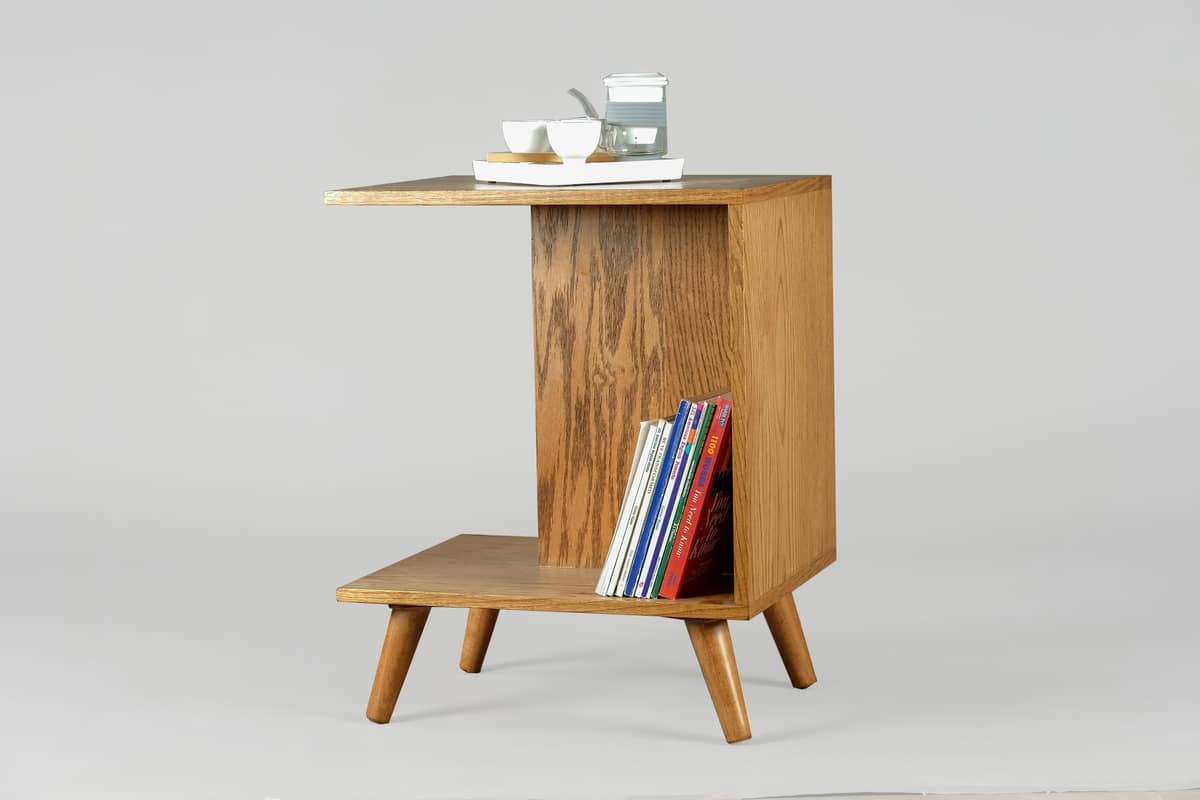
Homeowners are investing in practical upgrades such as multi-functional furniture.
Among the most common upgrades are repainting interiors with neutral and nature-inspired colors, replacing outdated light fixtures with energy-efficient LED lighting, and updating cabinet hardware and plumbing fixtures to give kitchens and bathrooms a more contemporary look. Exterior improvements, including refreshed entryways, modern house numbers and improved outdoor lighting, are also gaining popularity for their ability to boost curb appeal with relatively modest investment.
Convenience-focused technology remains another growing priority. Devices such as smart thermostats, video doorbells and energy-monitoring plugs are increasingly viewed as practical additions that improve everyday living while adding value to the home.
As household needs continue to evolve, home improvement in 2026 is increasingly defined by thoughtful, cost-effective upgrades that balance comfort, efficiency and adaptability, allowing homes to better support the routines of modern family life.