
Changing generations are redefining comfort, space and belonging
While home remains a universal aspiration, what people seek from it continues to evolve alongside changing lifestyles, financial realities and shifting ideas of success.

Home has always been deeply personal.
For some, it is the comfort of familiar walls filled with decades of memories. For others, it is the excitement of moving into a first condominium unit after years of saving or creating a space that reflects a new chapter of independence.
While home remains a universal aspiration, what people seek from it continues to evolve alongside changing lifestyles, financial realities and shifting ideas of success.
Across generations, the meaning of home has quietly transformed, shaped not only by age, but by changing priorities, economic realities, and the ways people choose to live.
The baby boomers
For many baby boomers, home has long symbolized permanence, stability, and achievement. Raised during a period when owning land or building a family house reflected financial security, many viewed homeownership as one of life’s defining milestones.
Spacious residences designed to accommodate growing families became symbols not only of success but of responsibility, serving as spaces where traditions could be passed down and memories preserved across generations.
More than investment value, homes for many boomers often carry sentimental meaning. Familiar surroundings, lived experiences, and emotional attachment frequently shape their idea of comfort, making home a place strongly tied to identity and belonging.
Living the Gen X life
Generation X, meanwhile, carried many of these values into a rapidly changing world. As careers expanded and family dynamics evolved, practicality became just as important as permanence.
Homes increasingly became spaces designed to support everyday life, places that balanced comfort, accessibility, and function.
For many in Gen X, location often matters just as much as the property itself. Proximity to schools, workplaces, healthcare facilities, and essential establishments has long influenced housing decisions, reflecting a generation focused on balancing career demands with family responsibilities.
Success became less about grandeur and more about building a stable environment where loved ones could thrive.
Enter millennials
Millennials entered adulthood under vastly different circumstances. Rising property prices, changing employment patterns, and the realities of urban living reshaped how many viewed homeownership. Rather than prioritizing size alone, many millennials began seeking homes that offered flexibility, convenience, and emotional comfort.
Condominiums in mixed-use communities, compact but efficient living spaces, and developments near workplaces increasingly appealed to a generation striving to balance ambition with quality of life. Amenities, accessibility, and functionality often became deciding factors, with many favoring homes that supported both productivity and personal well-being.
For millennials, success is increasingly defined not by owning the largest home but by finding stability in ways that align with both financial realities and personal fulfillment.
Home for the Gen Z
Generation Z, the youngest group beginning to shape housing preferences, approaches the concept of home from yet another perspective. Gen Z needs a home that has character, a home that they can show and present to others, clearly being their “comfort space.”
Natural lighting, multifunctional spaces, aesthetic interiors, and technology-friendly layouts have become especially appealing among younger homeowners and renters.
Compact spaces designed with intention, from cozy work corners to minimalist interiors, often matter more than sheer square footage.
For many in Gen Z, home is not simply where one lives, but where creativity, rest, and personal identity come together.
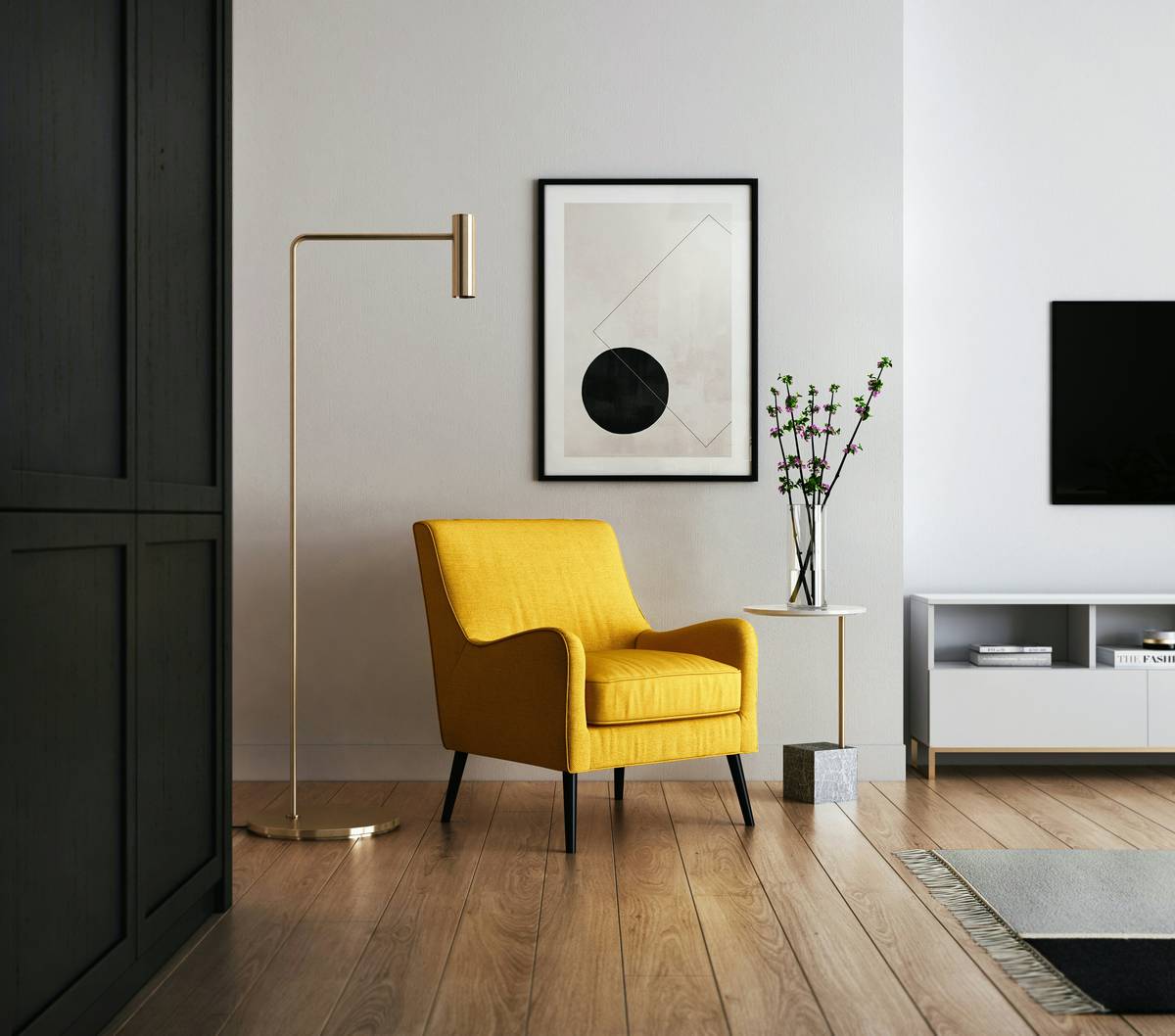
Gen Z is drawn to homes with character that combine self-expression, comfort and functionality.
Photographs courtesy of unsplash
Gen Z really put detailed furniture in their homes, paintings being more modern looking rather than Contemporary Art that the older generation hang.
The rise of wellness-centered interiors, sustainable features, and thoughtfully designed spaces reflects a generation seeking balance as much as stability.
Despite these evolving preferences, one thing remains constant across generations: the desire for a place to call one’s own.
Whether it is a family home filled with decades of memories, a suburban residence built around convenience, or a compact city condominium designed for modern living, a home continues to symbolize comfort, security and hope for the future.
As lifestyles continue to shift, so too do the spaces people aspire to have. Yet beyond walls and square footage, home remains something deeply familiar, a place where memories are made, aspirations take shape and life quietly unfolds.