
81 Pinoy seafarers aboard four different ships safely passed thru Strait of Hormuz, some return home: DFA
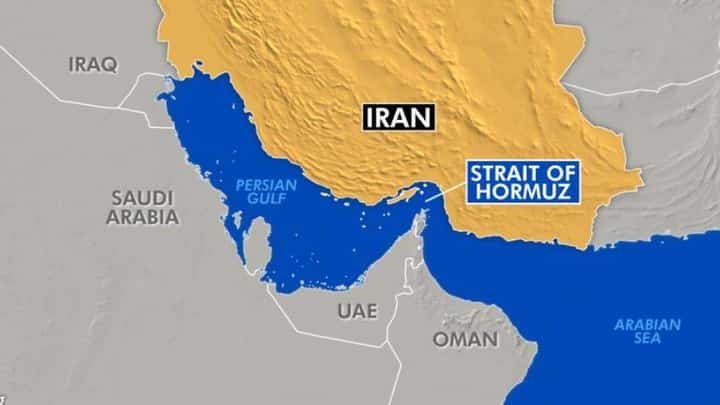
The U.S. has warned commercial ships of major military operations in the Strait of Hormuz amid rising tensions with Iran, citing alleged mine-laying and recent drone and missile incidents. Learn how heightened security in this key oil route could impact global energy markets and maritime trade.
Eighty-one Filipino seafarers aboard four different Manila-flagged ships safely passed through the conflict-stricken Strait of Hormuz and Persian Gulf in the face of the persistent war between the United States and Iran.
The Department of Foreign Affairs announced late Saturday that the majority of the seafarers have resumed their regular duties, while others returned home to their families.
They were aboard MV Lyng Trader, MV Western Doncaster, MV Vivian Trader, and MV Eva Fuji, which crossed the Strait between 24 June 24 and 1 July.
The department attributed the safe passage of Philippine-flagged vessels to the joint efforts of the United Nations and the International Maritime Organization, which safeguarded civilian shipping and seafarers and established the evacuation framework that facilitated the passage of 136 ships and early 3,000 seafarers out of the conflict area.
“Evacuation operations were suspended following the end of the temporary ceasefire between Iran and the United States, leaving some Filipino seafarers still stranded in the region,” the DFA said.
Nonetheless, the department vowed to keep a close eye on the situation to ensure the continued safe passage and the return of the remaining Filipino seafarers there.
The US-Israel war with Iran has severely affected the passage of commercial ships in the Strait of Hormuz—a vital route through which 20 percent of the world’s supply of oil and liquefied natural gas transits.
A truce was previously reached, although short-lived. On Sunday, the US military troops launched airstrikes in Iran in retaliation for the killing of two American service members in Jordan.
The Philippines has been greatly affected by the ongoing US-Israel war on Iran, as it imports about 95-98 percent of its oil from the Middle East.
Since the US-Israel war on Iran erupted on 28 February, the latter has blocked the Strait, disrupting global shipments and jacking up fuel prices.
Despite this, DFA Secretary Ma. Theresa Lazaro said Iran considers the Philippines a “non-hostile” country, alongside China, Japan, Russia, Malaysia, Thailand, Sri Lanka, Bangladesh, India, Pakistan, and Iraq.
Lazaro previously said that most of the agreements these countries have with Iran concern ensuring the safe passage of their vessels through the Strait of Hormuz, while only the deal with the Philippines includes provisions for seafarers.