
‘Omocha’: Japanese toys spark modern nostalgia
In many ways, these toys have become the maximalist companions to modern living — they are no longer merely entertainment for children.


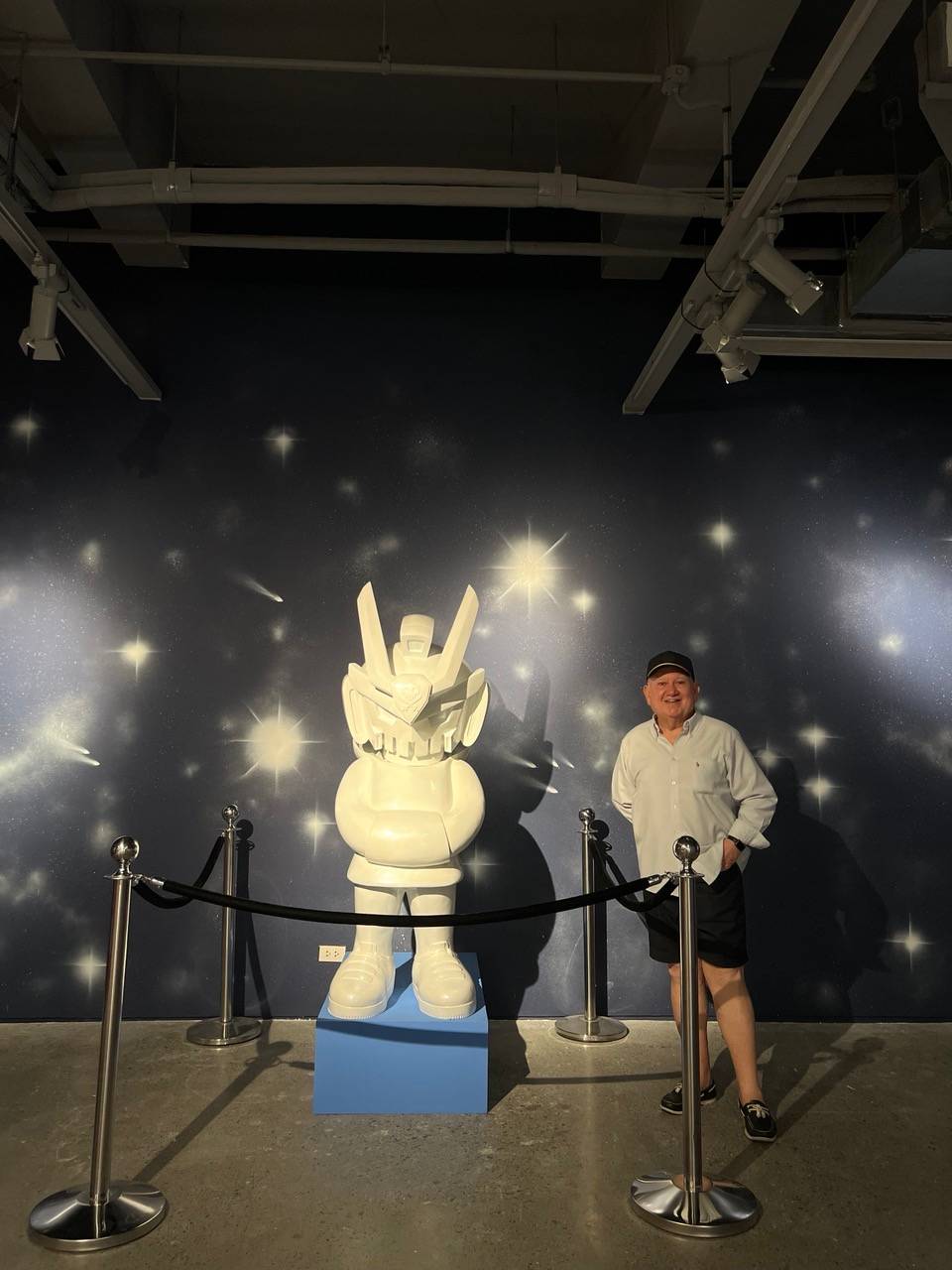
THE author with a QUICCS statue.
The moment I stepped into a busy gallery of the Metropolitan Museum of Manila, there were far more activities than I had anticipated. Young adults were gathered around display cases, gushing over puffy dolls. Familiar characters from their childhood surrounded parents with tag-along children. I heard light chatters and heavy bursts of laughter filling an otherwise reverently quiet room.
Nostalgic wistfulness was felt everywhere. It simply seemed it had taken over!
These were only some of the scenes I encountered at Omocha: Japanese Toys Today, the latest exhibition primarily mounted by The Japan Foundation.
Derived from the Japanese word for “toy,” Omocha guided visitors through the evolution of these beloved playthings from the Land of the Rising Sun. The curated presentation meticulously traced figures from earlier decades, joyfully celebrated perennial favorites, and proudly introduced current sensations.
Among the most popular sections were the Gundam displays. Known to enthusiasts as Gunpla, these plastic model robots require intricate assembly and have developed a faithful following all their own. Since 2024, more than 800 million units have reportedly been sold worldwide.
Transformers may have gained fame in the West. However, the toys themselves were brought to life through the collaboration of TAKARA TOMY and Hasbro. Nearby stood another pillar of Japanese pop culture, Ultraman, the long-running tokusatsu series known for its elaborate special effects. Vinyl figures of superheroes and towering kaiju monsters lined the vitrines, reminiscent of many Saturday mornings in front of the television set long ago.
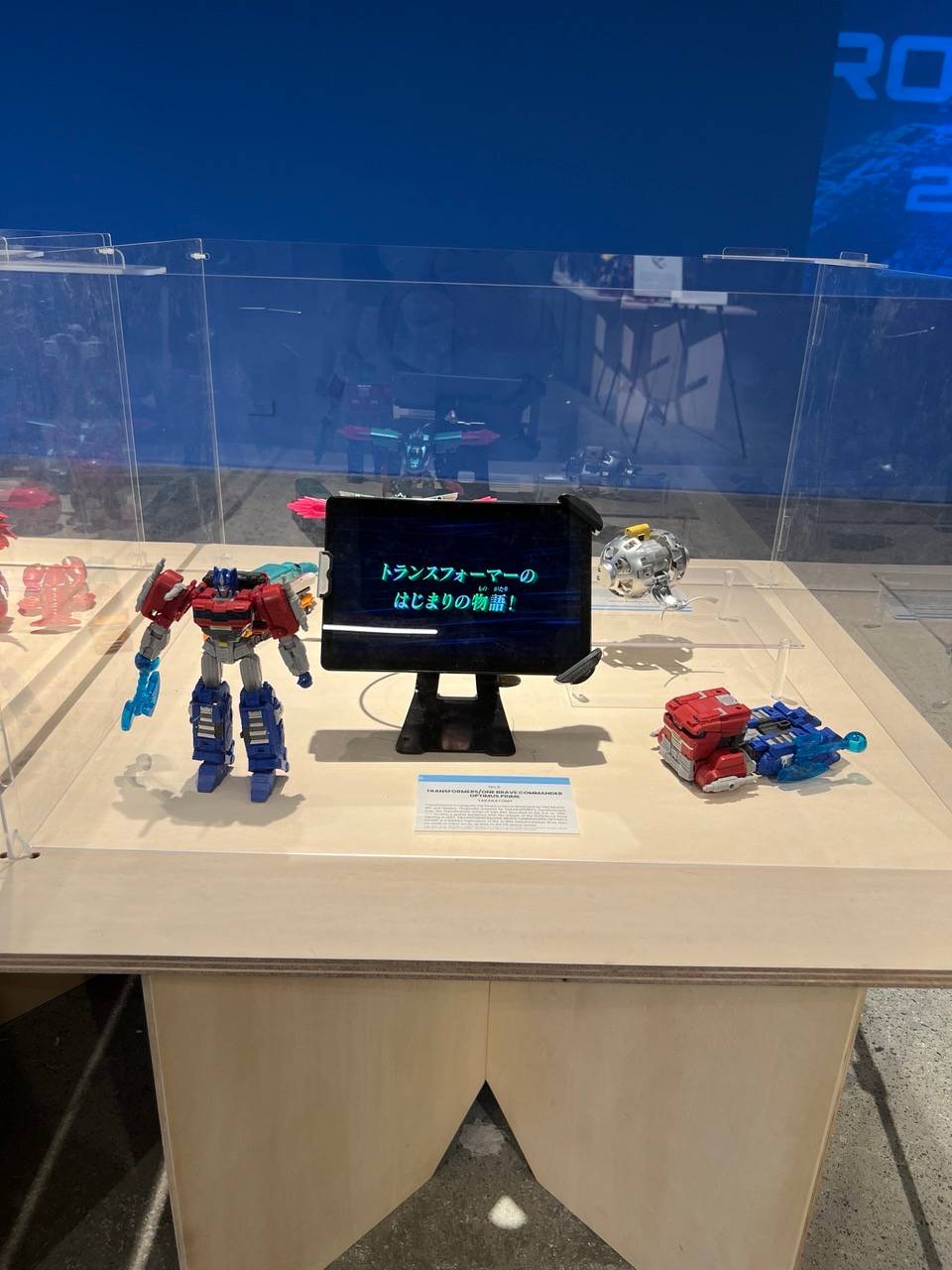
TRANSFORMER and SORA-Q.
Elsewhere were reminders of other beloved animated franchise: A Doraemon-themed air hockey table invited smiles, while Anpanman, whose stories promoted love and courage, was represented through a variety of prized collectibles. Pretty Cure even brought its magical girls into the mix!
I suspect no exhibition on Japanese toys would be complete without the ever-popular Pokémon, which I learned is the highest-grossing media franchise in the world, surpassing even Disney — yes, you heard that right, even Disney! Pikachu, as the evergreen mascot, remained the crowd favorite, complete with expected oohs and aahs. Then there was Super Mario. Despite being an Italian plumber, he owed his existence to Nintendo and had eventually become one of the most recognizable figures in video games.
Miniature creations also occupied a corner of the expansive hall. Nanoblock offered tiny building pieces reminiscent of Lego, albeit on a much smaller scale. Kawaii — “cute” to you and me — characters enjoyed their own spotlights. Licca-chan, one of Japan’s most lovable dolls and a worthy counterpart to Barbie, shared space with the adorable Hachiware and the forever timeless Hello Kitty and friends.
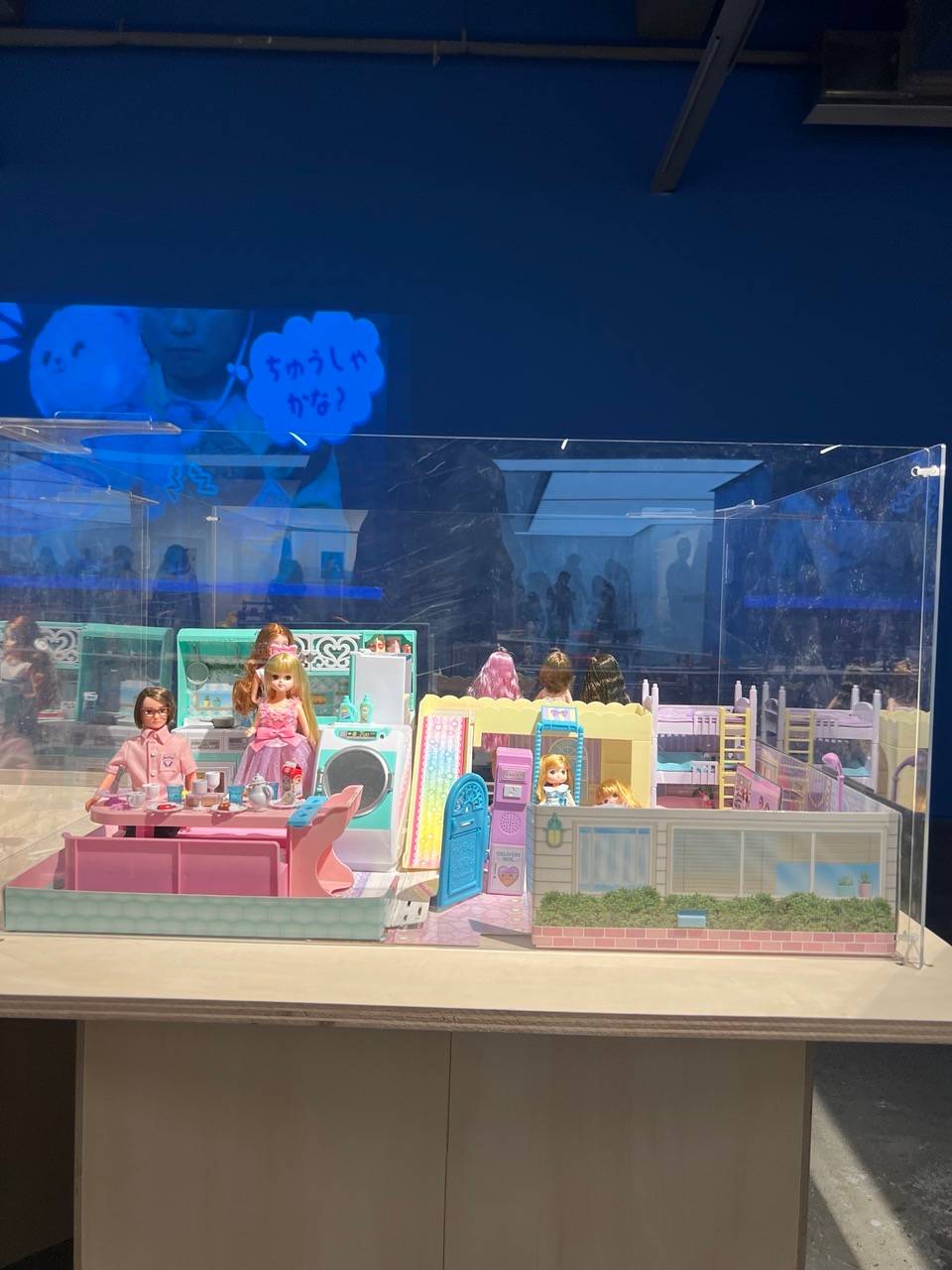
LICCA Dolls with displays.
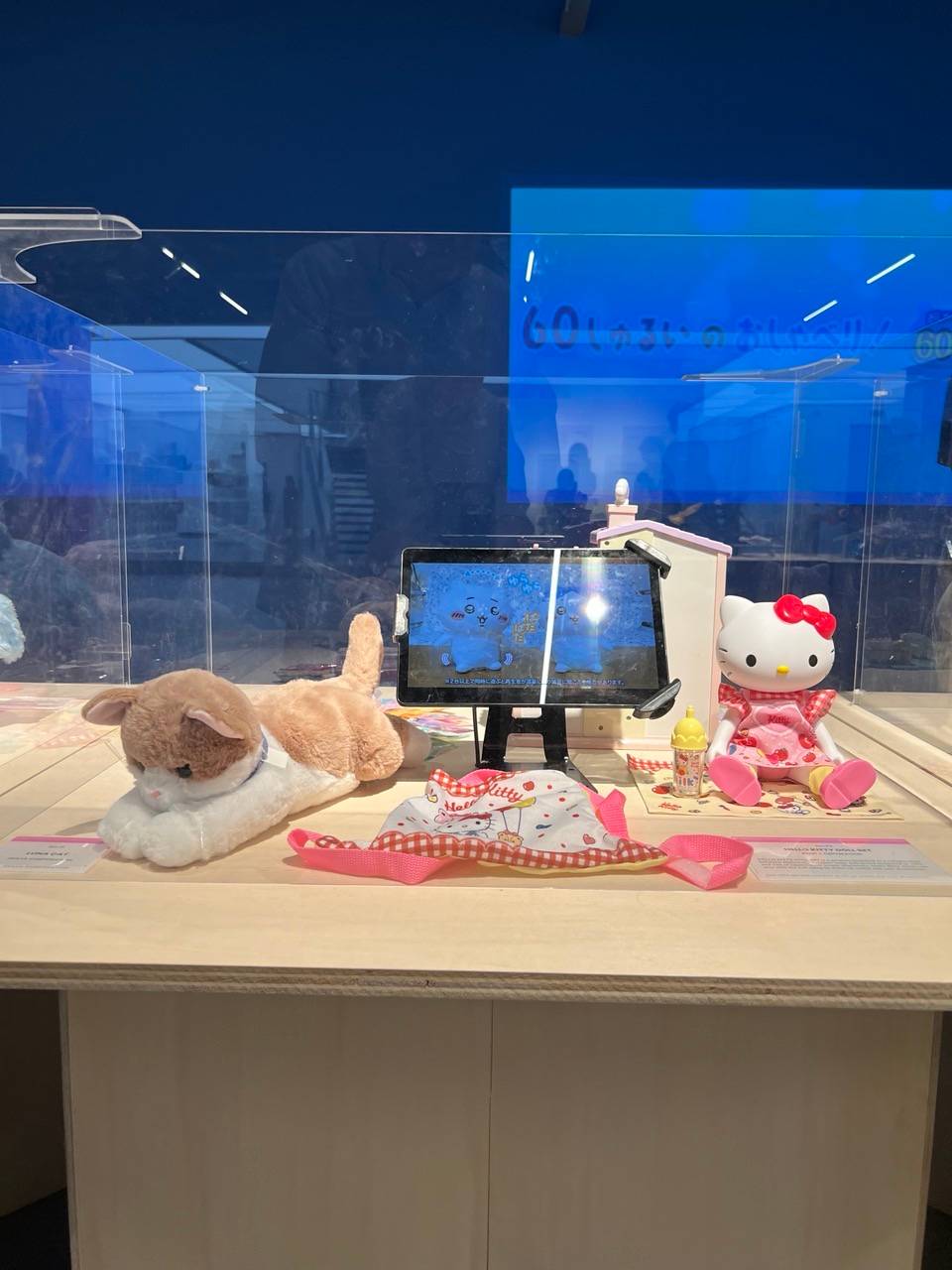
LUNA Cat, Chiikawa and Hachiware, and Hello Kitty.
Vehicle enthusiasts were likewise represented through the ever-popular TOMICA miniature cars, a magnet for boys as they struggled to pull their parents to the showcase.
The analog toys brought me back even further. Beyblade, a favorite among millennials, transformed the traditional turumpo into colorful spinning tops locked in battle. I understand that the pastime remained very much alive, with regular meetups and tournaments taking place around the country. Their battle cry, if I recall correctly, was “3, 2, 1, Go Shoot!”
Meanwhile, digital companions such as Tamagotchi continued to have their devoted share of fans. This egg-shaped gadget required owners to feed, bathe, and entertain a virtual pet! Talk of relationships! Tamagotchi devices.
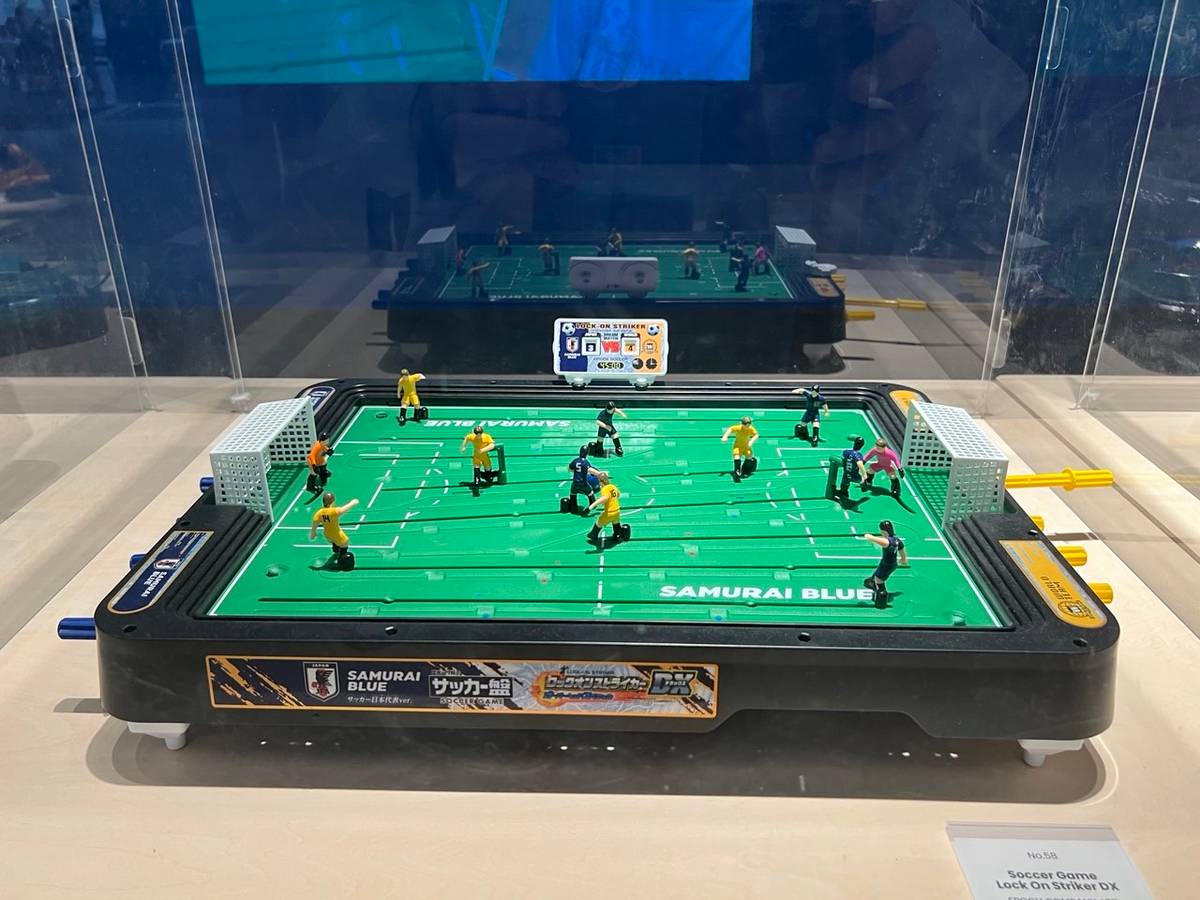
A Lock-On Striker football set.
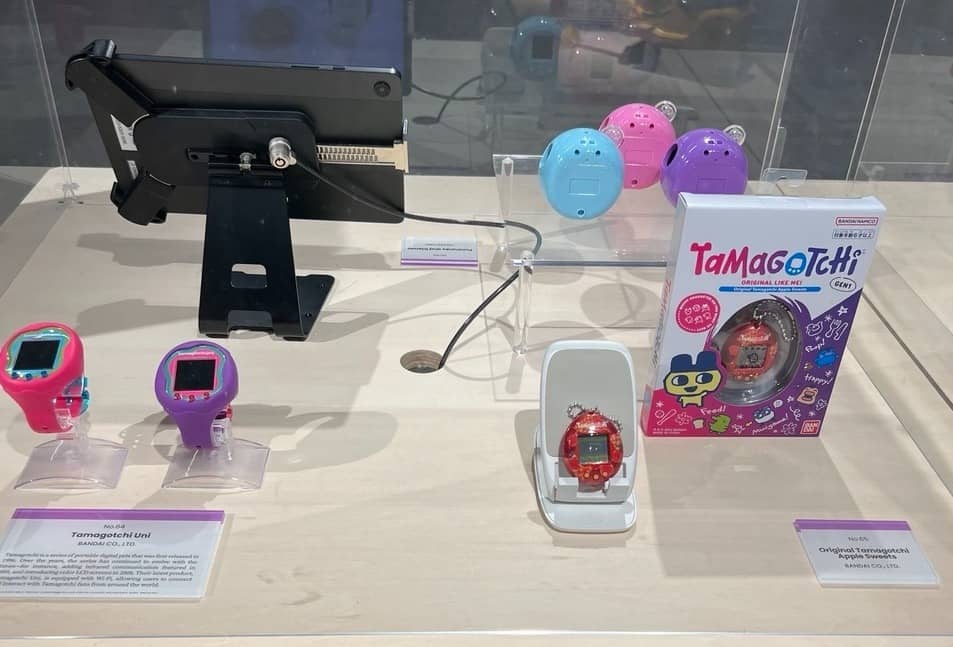
TAMAGOTCHI devices.
There seems to be a recent resurgence of anik-anik culture in the Philippines — a phenomenon where many younger individuals tend to hook up to their ever-present bags, totes, and mobile depositories, with several toys or keychains with them anywhere they go. At a time when many seniors and elders discard possessions and embrace minimalism, younger generations finally possess the means to pursue hobbies and interests from childhood. Are they healing their inner child, so to speak?
And those emotions continuously and constantly played out before my very eyes!
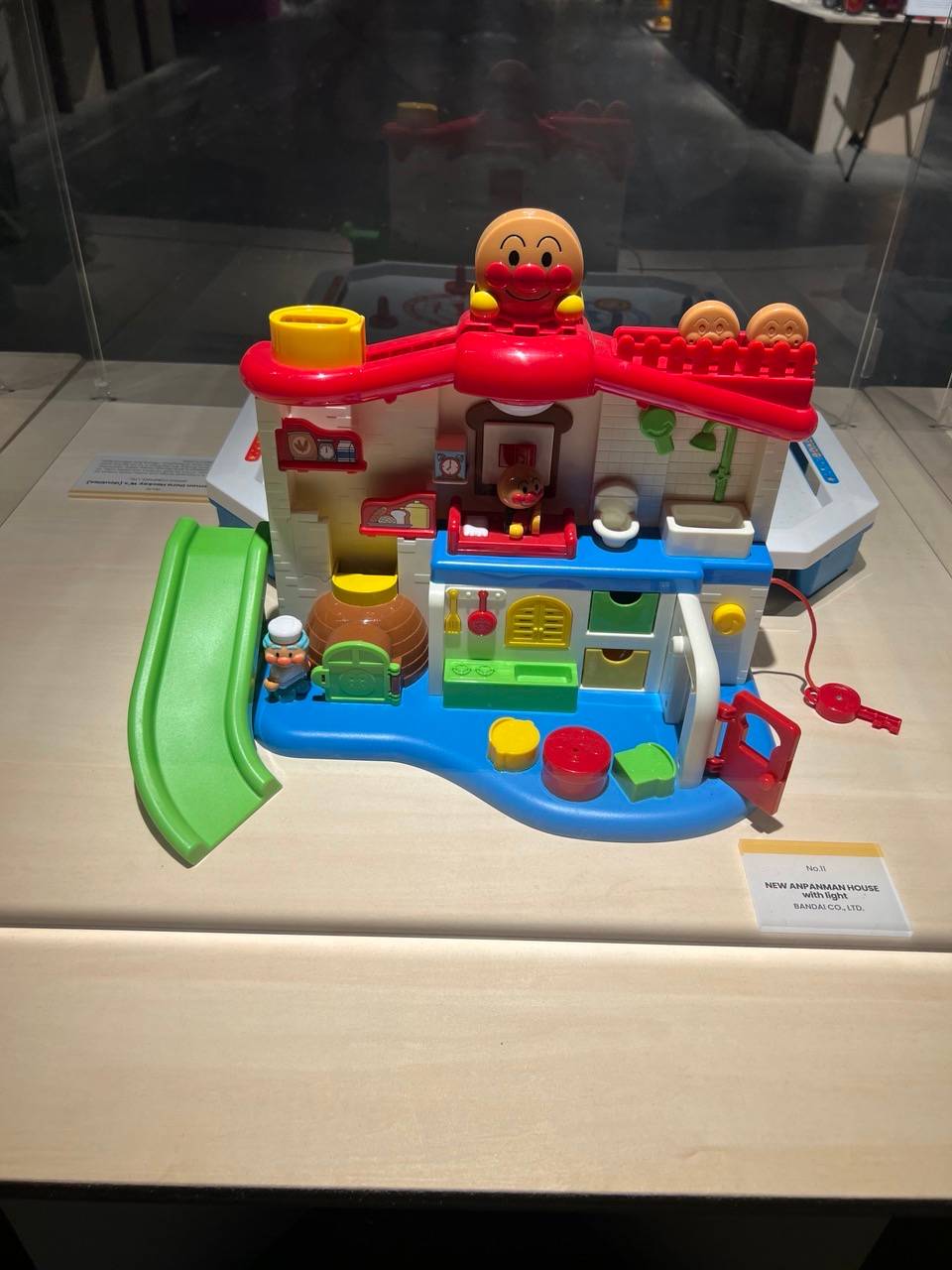
ANPANMAN Fun Harvest Set.
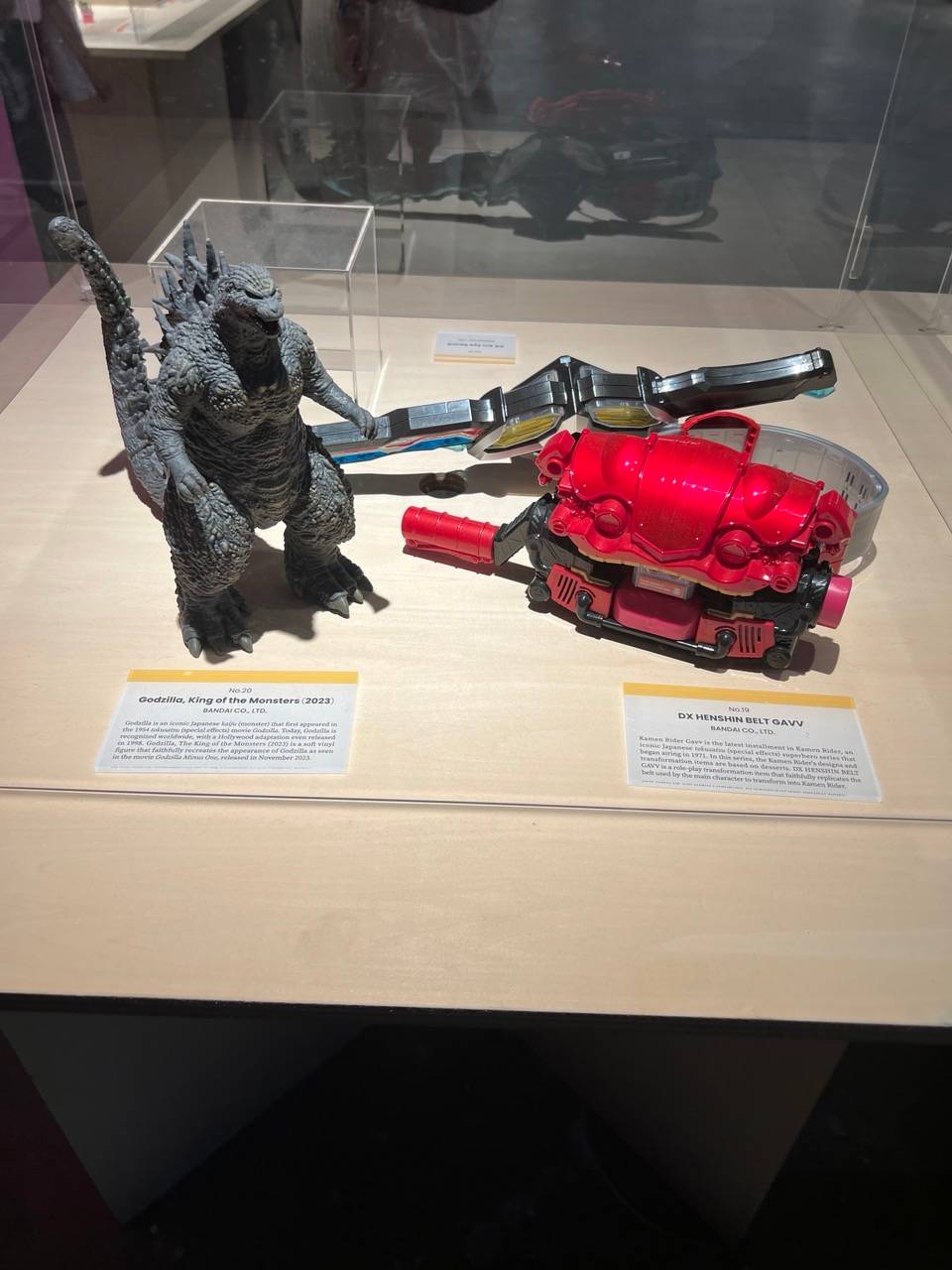
GODZILLA and a Kamen Rider Henshin Belt.
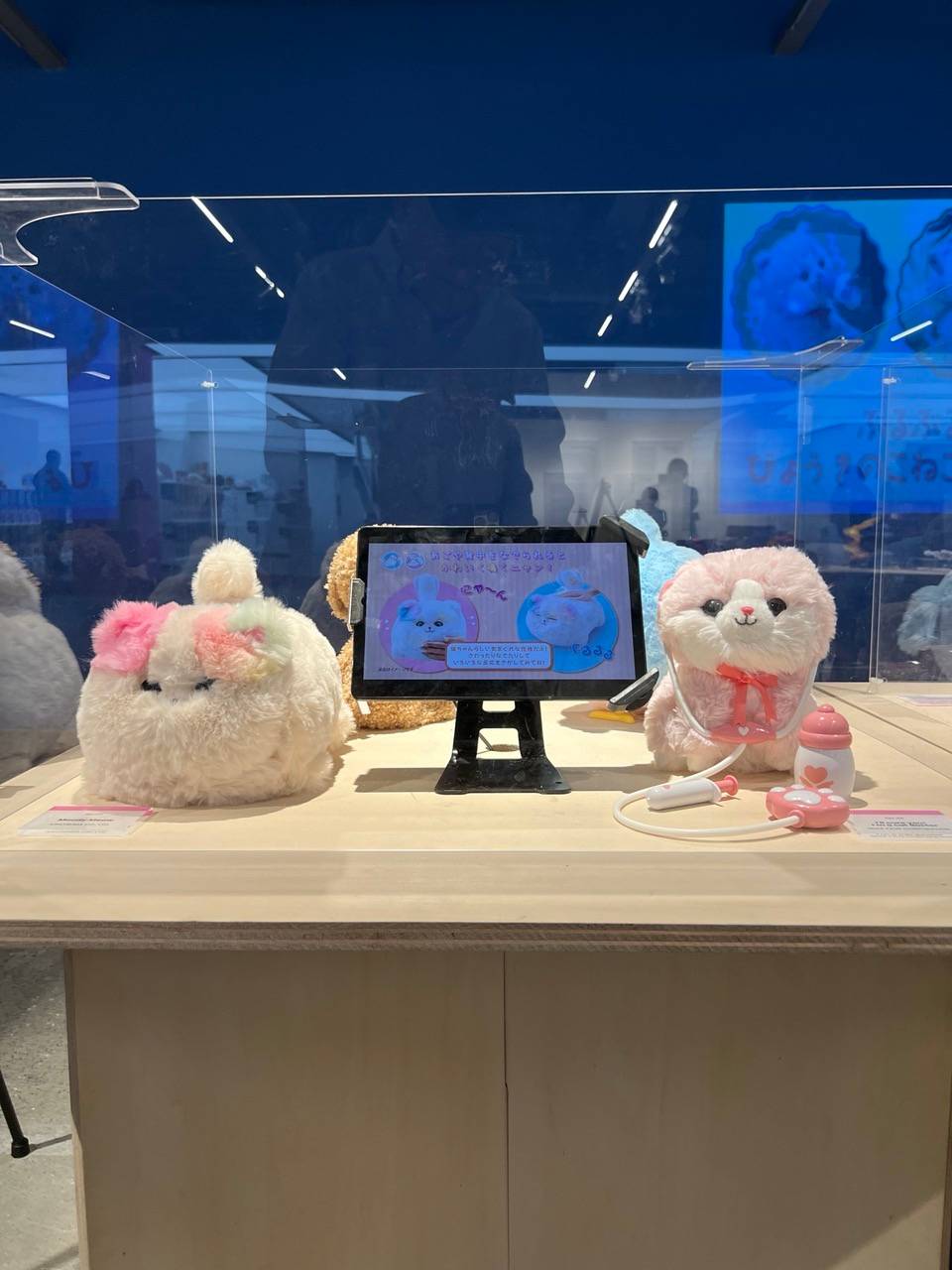
MOODY Meow and I’ll cure you! I’m a cat doctor.
One determined father examined an intricate toy with remarkable concentration, while his son clearly wanted to move on. The boy waited patiently because his dad was too engrossed to leave. Nearby, a father and son enthusiastically battled each other with Beyblades as the mother watched with amusement. Elsewhere, I saw a hesitant young boy being encouraged by his grandfather to try his luck at the gachapon machines, those capsule dispensers filled with randomized surprises.
In a way, Filipinos have long embraced a kind of gleeful maximalism. Our homes are often filled with keepsakes and souvenirs gathered from various places and periods of our lives. We often stockpile the pasalubongs we receive from family and friends. We dare not even throw away items we have not used in several months or even years, for the “just in case” moment.
In many ways, these toys have become the maximalist companions to modern living — they are no longer merely entertainment for children.
Bravo, Metropolitan Museum of Manila!
¡Enhorabuena, The Japan Foundation!