
Garbage-clogged waterways remain top cause of Metro Manila flooding — MMDA

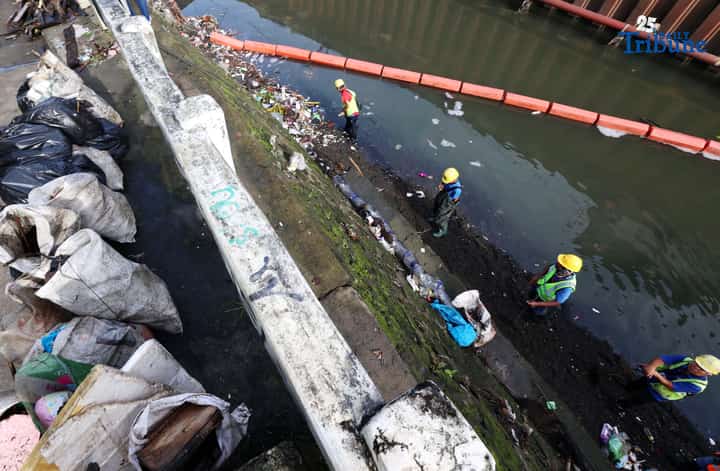
Garbage clogging Metro Manila's waterways remains the primary cause of flooding across the capital, with thousands of metric tons of waste removed annually from pumping stations and esteros, Metropolitan Manila Development Authority (MMDA) General Manager Nicolas Torre III said.
Speaking in the MMDA's "Kwentong Kalsada" podcast, Torre said the agency retrieves about 7,000 metric tons of garbage every year from its pumping stations alone, while estero-cleaning operations have already removed nearly 5,000 metric tons of waste from January to May this year.
"Ang mga problema sa pagbabaha ay ang mga waterways natin, clogged ng basura," Torre said.
The accumulated waste blocks the flow of water through Metro Manila's drainage system, causing floodwaters to build up during heavy rains, he explained.
Torre said the MMDA regularly dispatches personnel to inspect flooded areas and determine whether clogged drainage lines or waterways are causing the problem before carrying out declogging and cleanup operations.
He said flood management has become increasingly difficult because Metro Manila's rapid urbanization has left little open ground to absorb rainwater.
"Concrete jungle na tayo. Kailangan talaga ang management. Pag umulan dito, may pupuntahan ang tubig," Torre said, noting that rainwater must be efficiently drained toward its natural outlets—Manila Bay and Laguna de Bay.
To prevent flooding, the MMDA also operates pumping stations and flood control gates, particularly during high tide when seawater levels in Manila Bay are higher than parts of Metro Manila.
The gates prevent seawater from flowing inland, while pumps discharge accumulated rainwater into the bay when conditions permit.
Torre said flood mitigation is among the agency's core responsibilities alongside traffic management, contrary to the common perception that the MMDA's work is limited to road enforcement.
The MMDA oversees daily operations across Metro Manila's 17 local government units, serving an estimated 10 million to 12 million residents and commuters everyday.