
Rain doesn’t fall equally on everyone
The steady rhythm of raindrops on our windows reminds us to pause amid life’s relentless pace and not think about the bad news we see everywhere online.
Have you noticed? There is something oddly comforting about the rain — too comfy it’s really hard to get up in the morning and go to work.
Perhaps it is the season when our blankets feel warmer, steaming bowls of “champorado” and “sopas” are waiting on our tables, and many of us are secretly enjoying the excuse to slow down, even for a while, and maybe binge-watch our favorite series.
The steady rhythm of raindrops on our windows reminds us to pause amid life’s relentless pace and not think about the bad news we see everywhere online. For people who have enough, especially those with more than enough, rainy days are relaxing days — sipping a hot cup of tea, playing relaxing songs while munching on something good.
Well, beyond these romanticized rain vibes, of course, there’s the other side of the coin.
They are the students, workers, and other commuters who struggle to make it to their destinations. Rainy days mean having to wake up an hour earlier, checking flood updates before checking emails, stuffing umbrellas into already heavy bags, and braving waist-deep floodwaters to make it to work because missing a day’s wage is simply not an option.
As we seek warmth inside our homes, many of us whisper a silent prayer for those who have none. We pray for families whose homes are threatened by rising waters, for fishermen whose livelihood depends on the sea, perhaps for the countless stray dogs and cats wandering our streets, hoping to find shelter before another downpour.
Rain, after all, does not fall equally on everyone.
This is why resilience should never be our only plan. It is the most romanticized word for every disaster. Filipinos have mastered the art of enduring hardship, but what we deserve is a country that prepares just as tirelessly as its people persevere.
The recent passage of typhoon “Maymay,” shortly after typhoon “Luis,” once again demonstrated how quickly severe weather can disrupt maritime travel.
For example, since the weekend, several ports temporarily suspended operations as rough seas and strong winds made sailing unsafe, leaving hundreds of passengers stranded, particularly in the Bicol Region. For travelers eager to get home, canceled trips are understandably frustrating.
I know, too often, we only notice our ports when voyages are delayed. We seldom see the countless preparations taking place behind the scenes long before a storm reaches land. In terms of sea travel which is mostly affected by strong waves and winds, port managers coordinate continuously with terminal operators, shipping lines, the Philippine Coast Guard, and local authorities to assess weather conditions, monitor vessel movements, and determine when it is safe to resume operations.
These decisions are not simply about logistics — they are about ensuring that every passenger arrives home safely.
Across affected ports, despite having to attend to their own homes, PPA personnel remain on the job to assist stranded passengers. Ready-to-eat food packs are prepositioned in partnership with the Department of Social Welfare and Development. Information is disseminated through advisories, safety protocols are activated, and operations continue around the clock.
As Philippine Ports Authority general manager Jay Santiago aptly reminds the public, no one should wait for tragedy to happen before choosing caution. Strong winds and dangerous waves are not inconveniences to be challenged but warnings that deserve respect and preparedness.
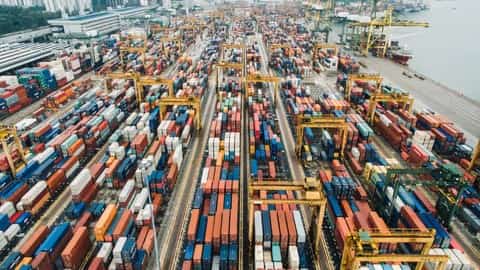
This is precisely why the Philippine Ports Authority continues to invest in modernizing port facilities across the country. At the NorthPort Passenger Terminal Building, improvements such as covered walkways, free WiFi, motion-sensor comfort rooms, complimentary shuttle services, and expanded priority areas for senior citizens, persons with disability, pregnant women, and other vulnerable passengers are transforming what was once merely a transit point into a more welcoming public space.
Across the archipelago, infrastructure projects continue to rise with port expansions in Bohol, Misamis Oriental, Catanduanes and Dinagat Islands, rehabilitation works in Southern Leyte, operational facilities in Camiguin and Batangas, and new developments that strengthen both passenger mobility and cargo movement.
These are not simply construction projects, they are investments in safer travel, stronger local economies, and communities that can better withstand the growing challenges posed by climate change.
As the extreme weather becomes more frequent, resilience alone should no longer define the Filipino spirit. We have proven time and again that we can endure floods, storms, and uncertainty. But true progress lies not in celebrating how much hardship we can withstand (this is not Hunger Games).
While many of us can enjoy warm bowls of champorado and sopas whenever the skies turn gray, let us remember those who cannot and those who continue working through the rain to keep the country moving.
Let us appreciate the institutions quietly preparing long before disaster strikes and let us extend kindness to those people and animals alike who face every storm without the comfort of a roof over their heads.
It’s no longer about being resilient anymore — every rainy season should be a story of readiness and responsibility. After all, we’re all in the same boat.