
‘HOOK UP’: HIV/AIDS conversations through theater
The Cebu-based pop musical, written and directed by Jude Gitamondoc, returns in June 2026 with a story centered on hookup culture, online dating, stigma and HIV/AIDS awareness.


“HIV does not always have to be depressing.”
As the Philippines faces what the World Health Organization (WHO) and UNAIDS (Joint United Nations Programme on HIV/AIDS) describe as the “fastest-growing HIV surge in the Asia-Pacific region,” HOOK UP The Musical uses theater to open conversations on HIV/AIDS, stigma, sexuality and human connection.
The 2025 Cebu-based pop musical, written and directed by Jude Gitamondoc, returns in June 2026 with a story centered on hookup culture, online dating, stigma and HIV/AIDS awareness.
According to WHO, at least 57 Filipinos are diagnosed with HIV infection every day, while new infections in the country have risen by 550 percent from 2010 to 2024.
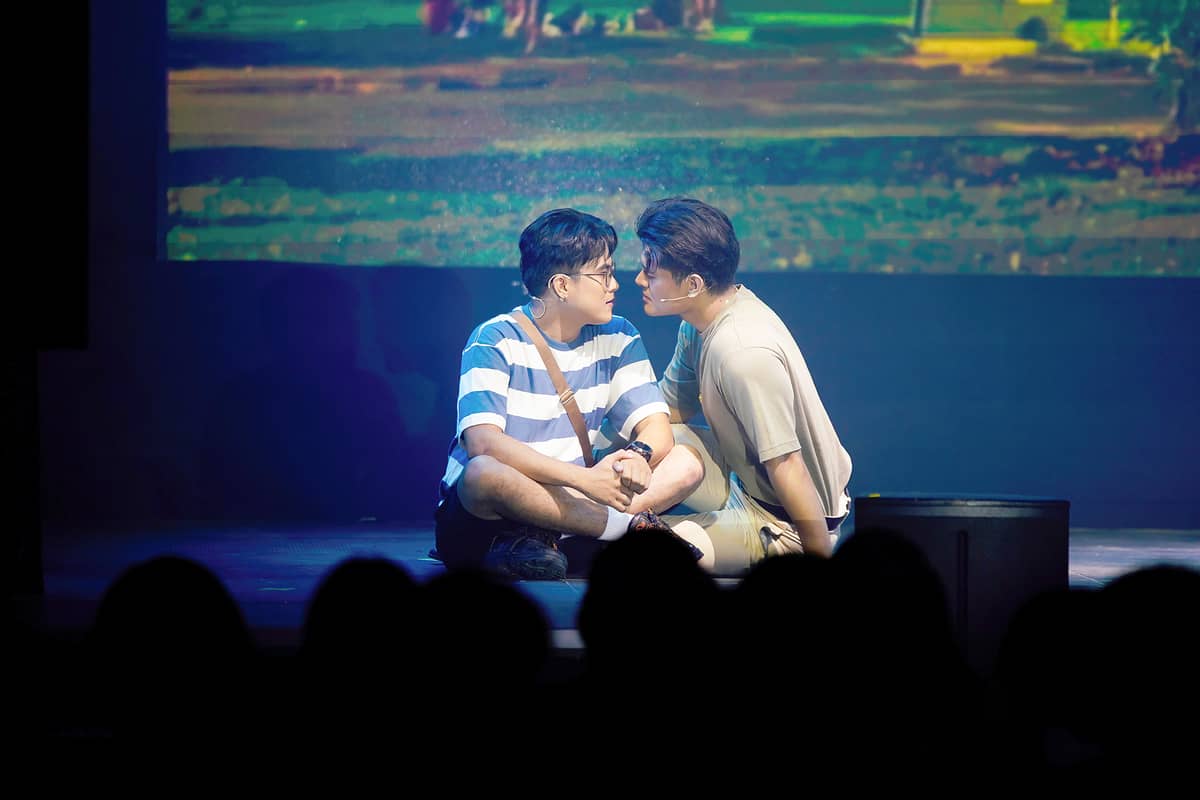
PERFORMERS share an intimate moment from 'Hook Up.'
Medical community response
For Gitamondoc, one of the most unexpected responses came from the medical community itself.
“The most surprising reaction was from the doctors who watched the show during our preview and Capitol performances,” he told the DAILY TRIBUNE. “It was overwhelming because they gave us their full support after seeing that we were really bringing these issues into the conversation in an entertaining way.”

ACTORS strike a pose during a key moment in the show.
One doctor, he recalled, even told him the musical was “better than having a lecture.”
“It’s one of the best ways to start conversations through entertainment and humor,” Gitamondoc said. “The discussion about HIV does not always have to be depressing. We wanted it to feel open and welcoming to everyone,” he shared at a recent online press conference.
Beyond gender
Cast member Alem Garcia, who plays one of the musical’s central queer characters dealing with intimacy and identity, said the production deliberately pushes beyond gender and instead confronts the realities surrounding HIV/AIDS and sexuality in the Philippines.
“One thing we really want to normalize is talking about HIV/AIDS,” Garcia said. “Even within the community, there are still so many misconceptions. Some people still think an HIV diagnosis automatically means death, when in reality there are already treatments and combination therapies available.”
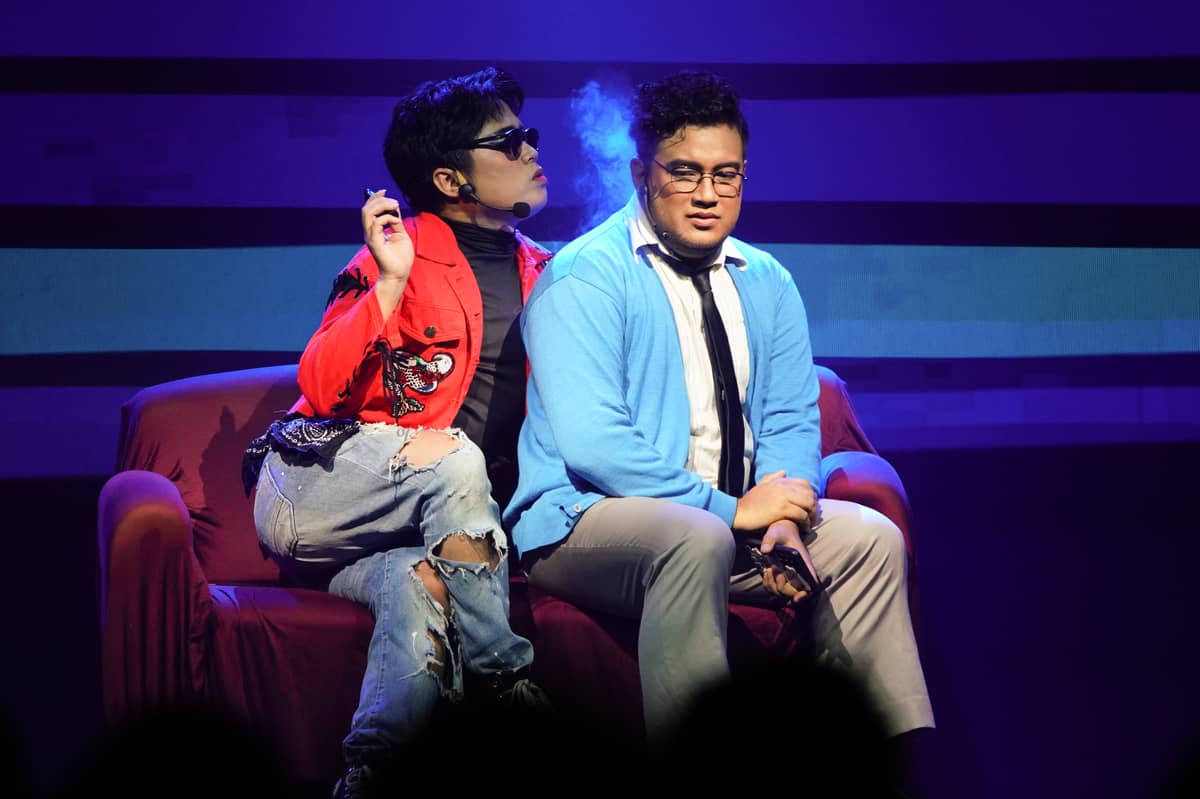
CHARACTERS navigate friendship and identity in a scene from the production.
Garcia added that the musical also discusses the concept of “U equals U,” or “Undetectable equals Untransmittable,” a global HIV/AIDS awareness campaign emphasizing that people living with HIV who maintain an undetectable viral load through treatment cannot sexually transmit the virus.
‘Sex is a human need’
Garcia also acknowledged that the show has also faced criticism for supposedly “normalizing hookup culture,” particularly in Cebu’s more conservative spaces.
“But sex is a human need,” Garcia said. “It is part of basic human needs. What we are normalizing is safe sex and open conversation.”
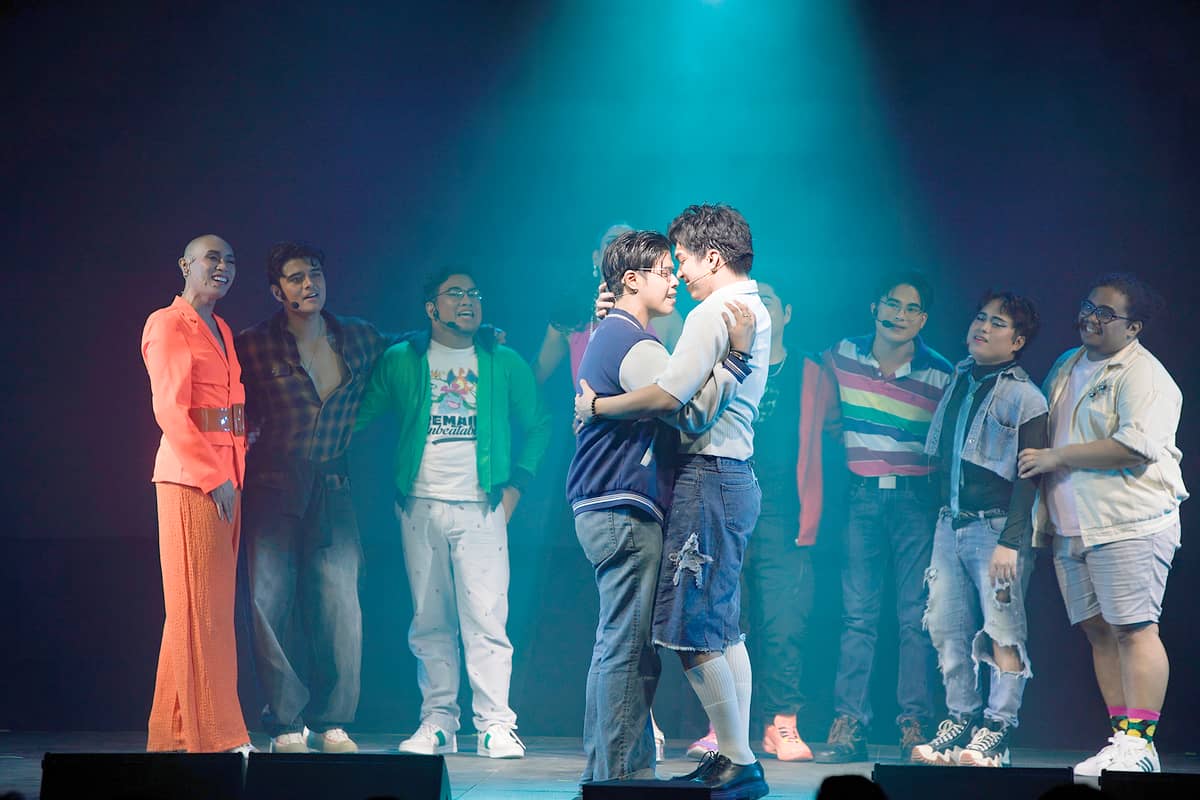
CAST members perform a pivotal scene from the musical.
Shifting the narrative
Another cast member, Fritz Alain Pepino, said the production intentionally avoids the tragic framing often associated with HIV/AIDS narratives in mainstream media.
“We’ve become used to HIV stories where the outcome is always sad,” Pepino said. “This production wants to shift that paradigm. We want people to understand that talking about HIV does not always have to be morbid and does not always have to be connected to death.”
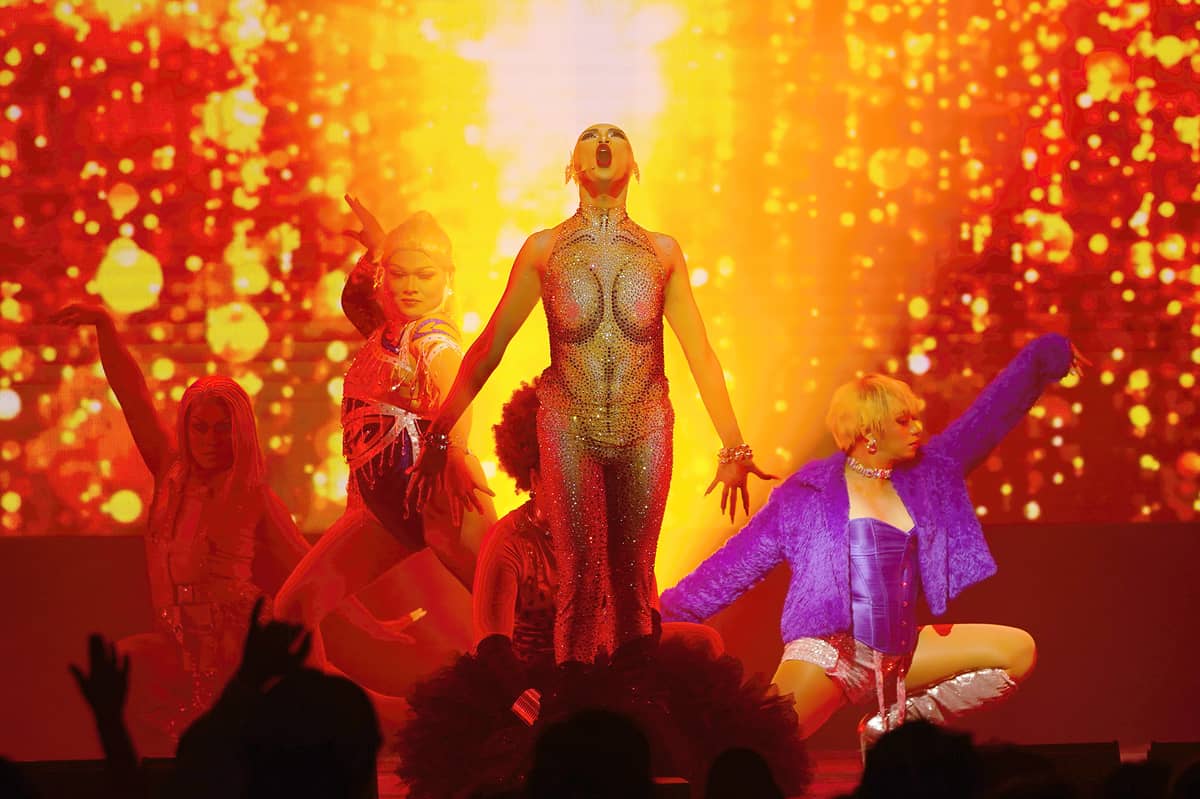
A vibrant production number lights up the stage.
More than romance
Beyond sexuality, Shim Dagatan, one of the lead actors, said the musical ultimately centers on the “universal desire for human connection.”
“Human connection is not just romantic or sexual,” Euvic Ferrer added during the press conference. “It can also be filial, parental, or between friends. The musical shows how connection exists even in the middle of discrimination, identity politics and crisis.”
At a time when health authorities continue to warn about the rapid rise of HIV infections among young Filipinos, HOOK UP The Musical uses song, humor, and intimacy to challenge fear and stigma — while insisting that conversations about HIV/AIDS belong not only in clinics and classrooms, but also onstage.
HOOK UP The Musical will stage its rerun on 13 June at Sky Hall, SM Seaside Cebu.