
Gov’t readies water systems, farm inputs to blunt El Niño impact
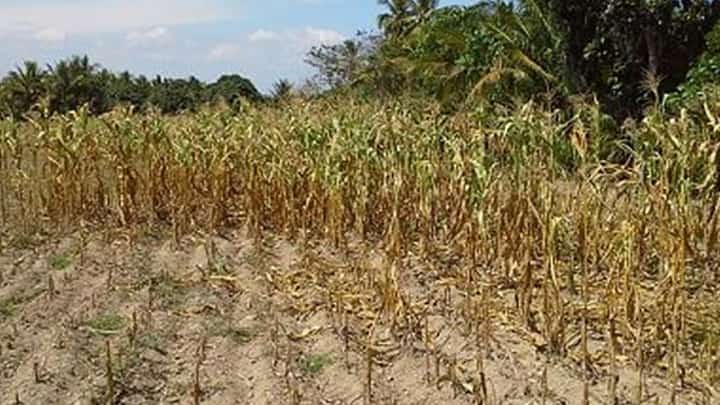
The government is rolling out irrigation checks, climate-risk mapping, and prepositioning of farm inputs to cushion the agriculture sector from a possible El Niño this year.
The Department of Agriculture (DA) said Wednesday that preparations include assessing major irrigation systems, updating climate data for farm planning, and ensuring the availability of drought-tolerant seeds, fertilizers, and irrigation support.
It is also strengthening crop insurance, credit access, and market support to help stabilize farmers’ incomes if dry conditions emerge.
“We are taking early steps to prepare for possible El Niño conditions,” Engr. Christopher Morales, Undersecretary for Rice Industry Development, said. “This is about readiness and reducing potential impacts on farmers and production.”
The DA, in coordination with the National Irrigation Administration, is reviewing major systems such as Magat and the Upper Pampanga River Integrated Irrigation System to identify areas at risk of water shortages and prepare adjustments in allocation, scheduling, and other water management measures.
At the same time, the Philippine Rice Research Institute and the Bureau of Soils and Water Management are updating maps of rainfed and seasonal farming areas to guide planting schedules, crop choices, and water use. Regional field offices are conducting ground assessments using climate data to tailor interventions.
The agency has begun prepositioning key farm inputs to ensure timely distribution, while strengthening crop insurance, credit access, and market support to help protect farmers’ incomes. It is also evaluating cloud seeding in selected areas, subject to technical and weather conditions, as a backup measure in case of severe rainfall shortages.
Agriculture Secretary Francisco P. Tiu Laurel Jr. said the preparations are in line with directives to ensure continued support for farmers and maintain stable food supply.
“These measures are aimed at strengthening preparedness and ensuring that support systems are in place to help farmers maintain productivity under changing weather conditions,” Tiu Laurel said.
To improve coordination, the government is reactivating the El Niño Task Force to align efforts across agencies. The DA is also refining its 2024 response framework to address gaps and improve flexibility under different climate scenarios.