
Fourth yellow alert grips Visayas grid

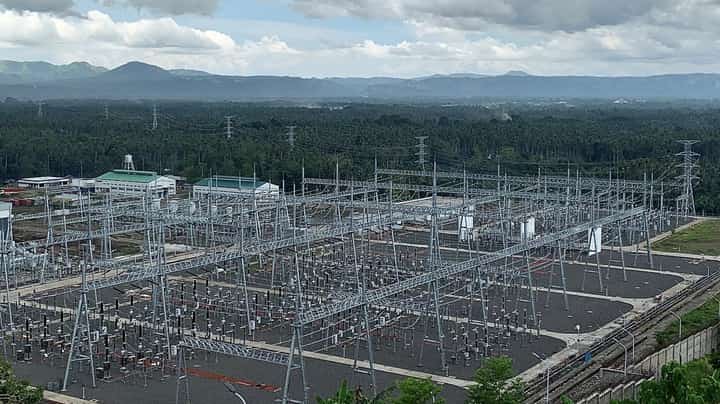
The National Grid Corp. of the Philippines (NGCP) has placed the Visayas grid under yellow alert on Wednesday afternoon due to a thin power supply margin.
The alert, already the fourth this month, will be in effect from 3:00 p.m. to 4:00 p.m. and from 5:00 p.m. to 7:00 p.m., with available capacity at 2,538 megawatts (MW) against a projected peak demand of 2,369 MW.
“Factors that contributed to the raising of yellow alert: a significant number of plants on unplanned/forced outages and de-rated capacities, and high system demand,” NGCP said.
The grid operator said 11 power plants were on forced outages from April to August, six others have been offline since 2023, and four are running on reduced output, resulting in 725.2 MW unavailable to the grid.
A yellow alert is issued when the operating margin is insufficient to meet the transmission grid’s contingency requirement.
NGCP noted that the Luzon and Mindanao grids remain under normal conditions.
To ease grid pressures, the Department of Energy directed private distribution utilities yesterday to prepare for the possible activation of the Interruptible Load Program while generation companies restore their power plants.
The DOE also urged industrial, commercial, and residential users in both grids to conserve power, especially during peak hours.