
Eco-friendly malls: SM redefines urban retail with sustainable spaces


SM Supermalls is redefining the shopping experience by integrating sustainability into its infrastructure, improving urban air quality and promoting eco-friendly living across its properties.
With features like the open-air arcades of SM Mall of Asia and the elevated green spaces at SM Aura and SM North EDSA’s Sky Garden, the company is creating cooler, greener environments within densely populated areas. These people-centric designs help reduce heat and filter pollutants, supporting both comfort and environmental health.
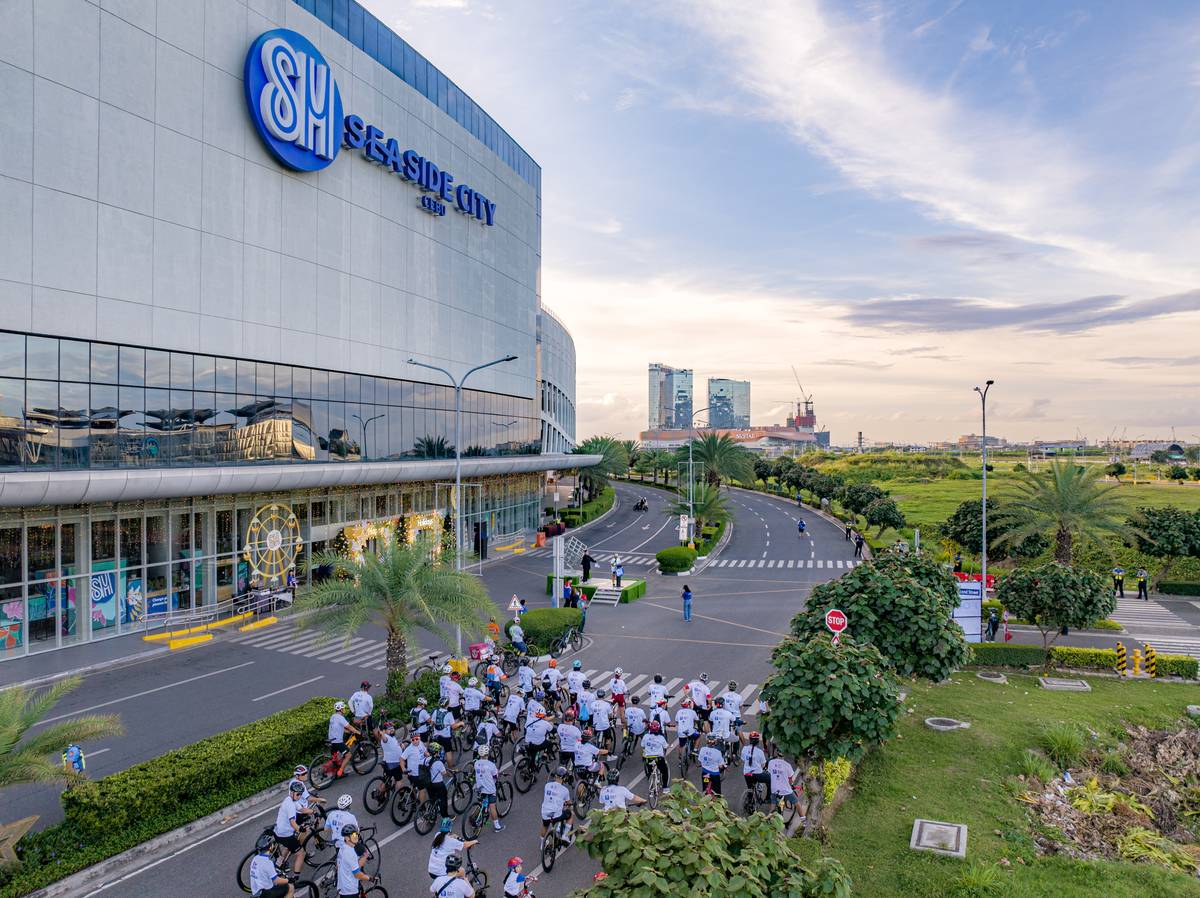
Cyclists gather at SM Seaside City Cebu, championing greener, healthier urban mobility.
The mall operator has also championed bike-friendly initiatives, offering over 5,000 bike parking spaces to encourage eco-commutes. According to studies, short trips by bike instead of car can cut carbon emissions by up to 90%.
In addition to native plant installations that support biodiversity and air filtration, SM Supermalls supports clean mobility with 69 Electric Vehicle Charging Stations (EVCS) nationwide. These stations help reduce dependence on fossil fuels, as electric vehicles emit up to 60% less greenhouse gases than traditional cars.
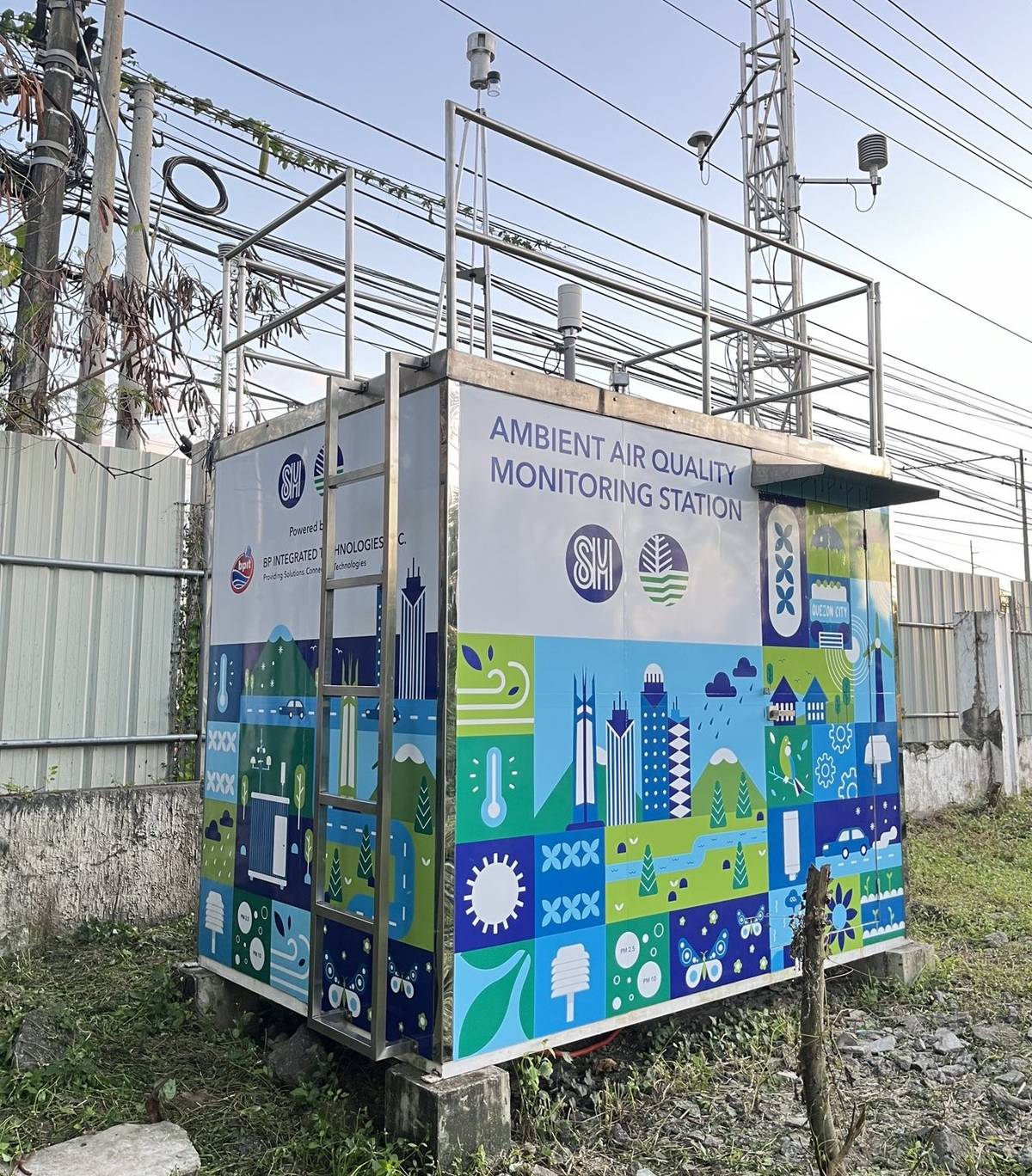
SM Supermalls monitors air quality in real time, empowering communities with data for cleaner, healthier cities.
SM also supports public transit through dedicated terminals for buses and jeepneys, helping reduce traffic congestion and air pollution. The company has further partnered with Quezon City to implement an air quality monitoring system, offering communities real-time environmental data and insights.
Now in its 40th year, SM Supermalls continues to lead sustainability efforts in the retail space — blending convenience and innovation with a long-term commitment to healthier urban living.
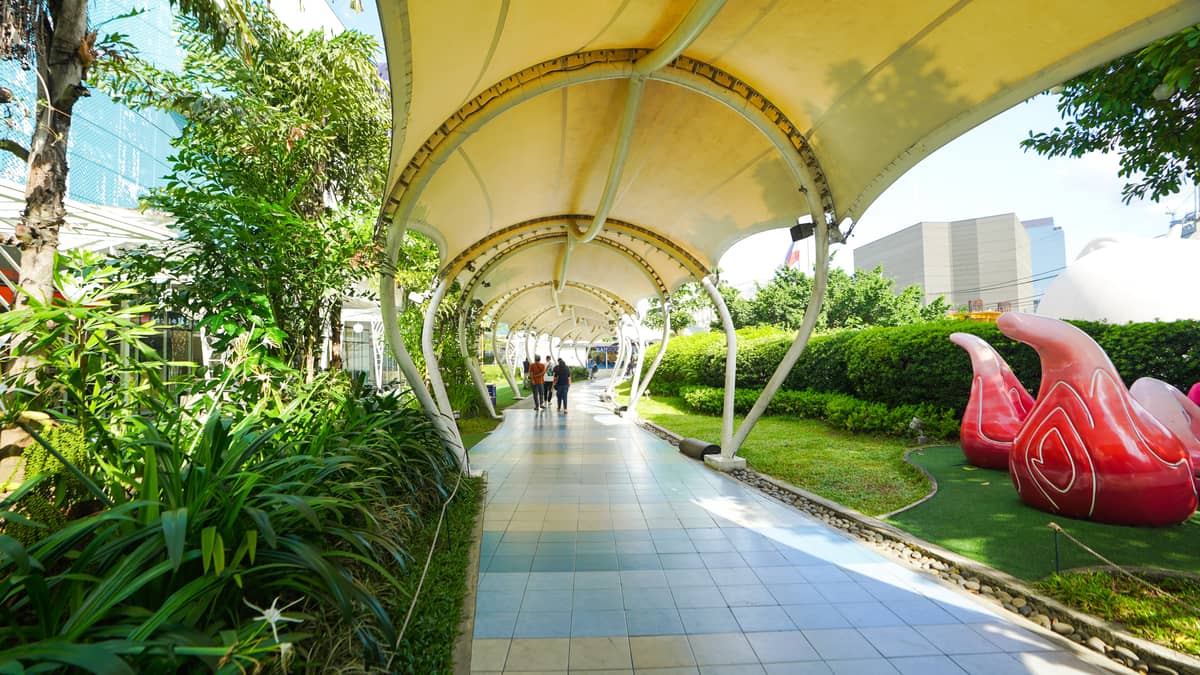
SM North EDSA houses the first Sky Garden in an SM mall, highlighting endemic plants and water features that bring nature onto a rooftop.