




‘Lastres La Guapa’


Text size
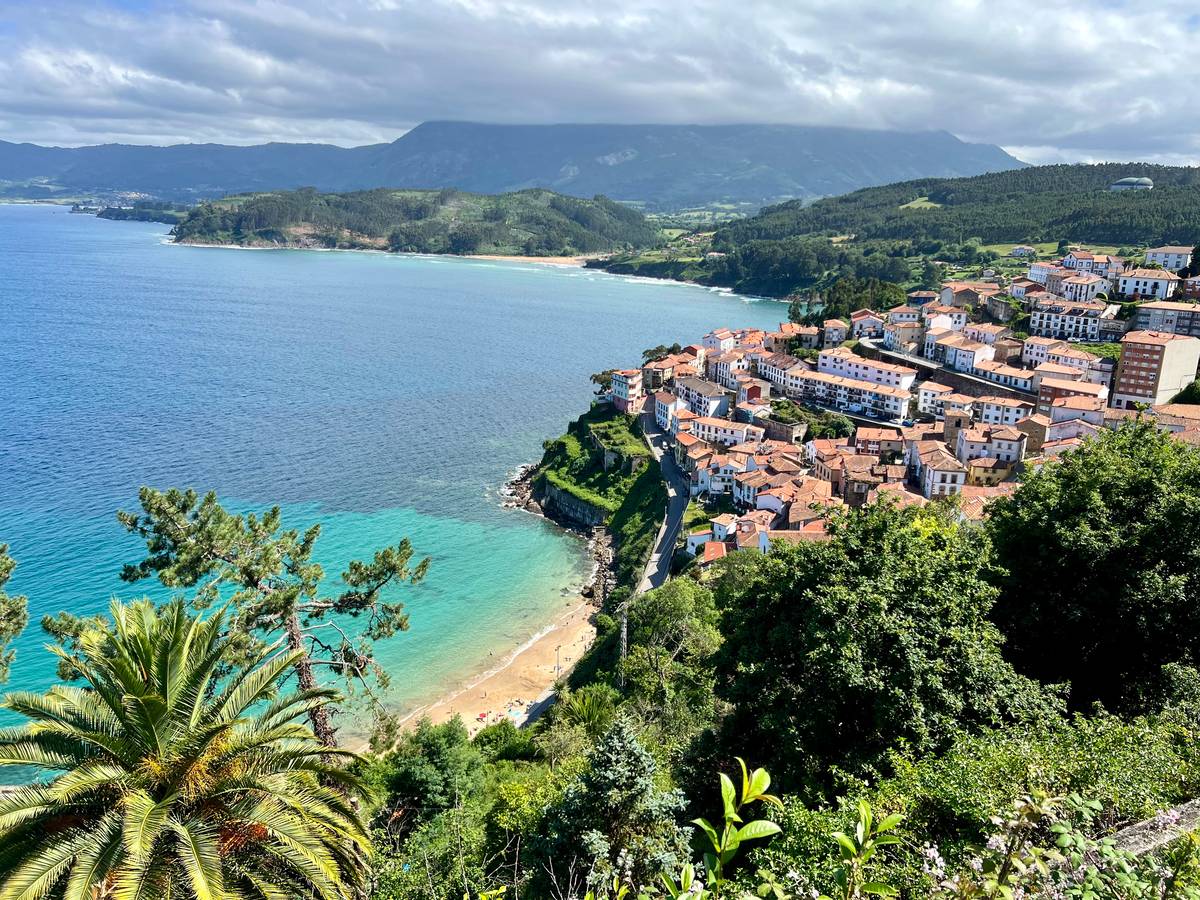
The view at Lastres
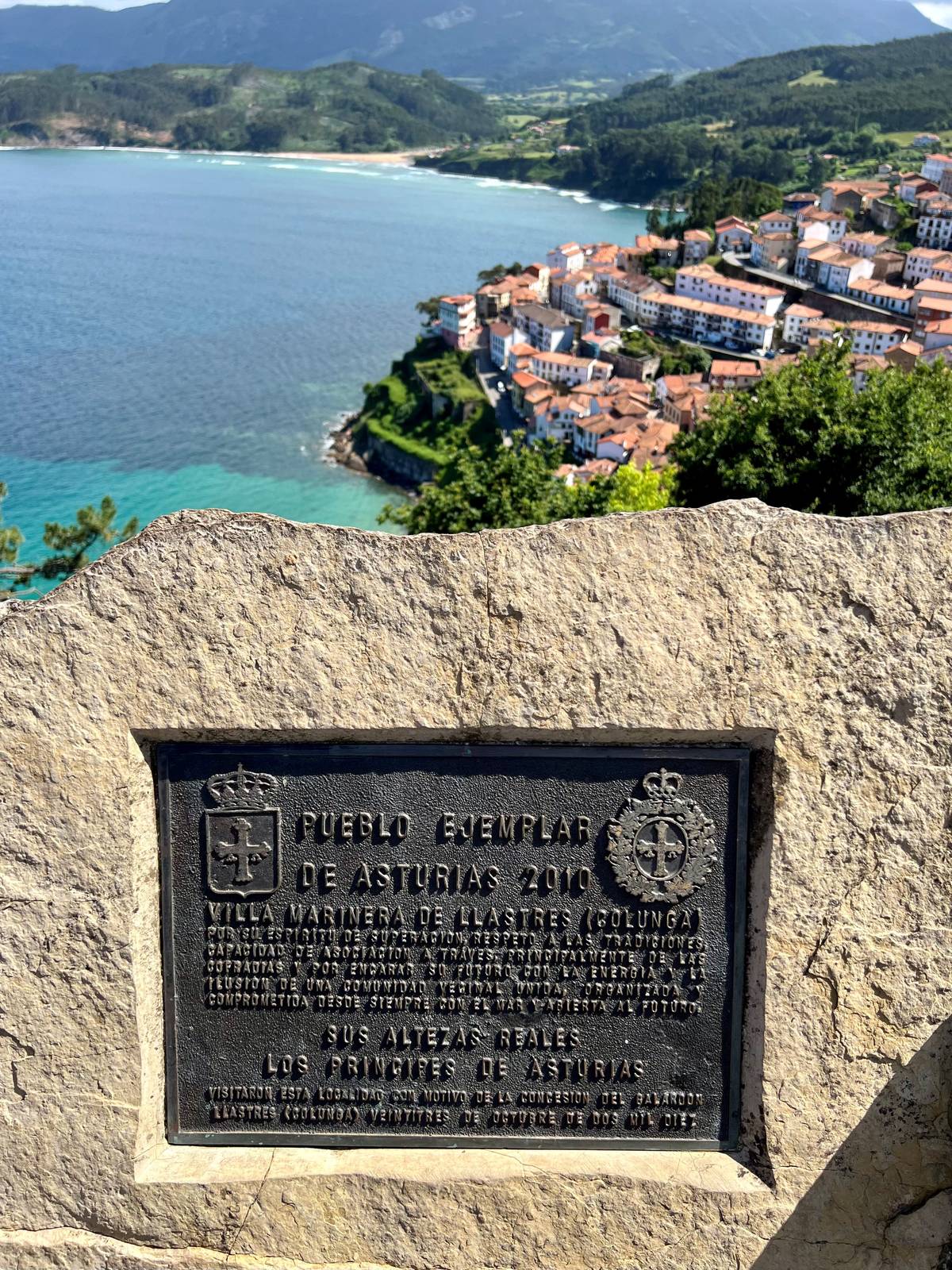
A commemorative Lastres marker
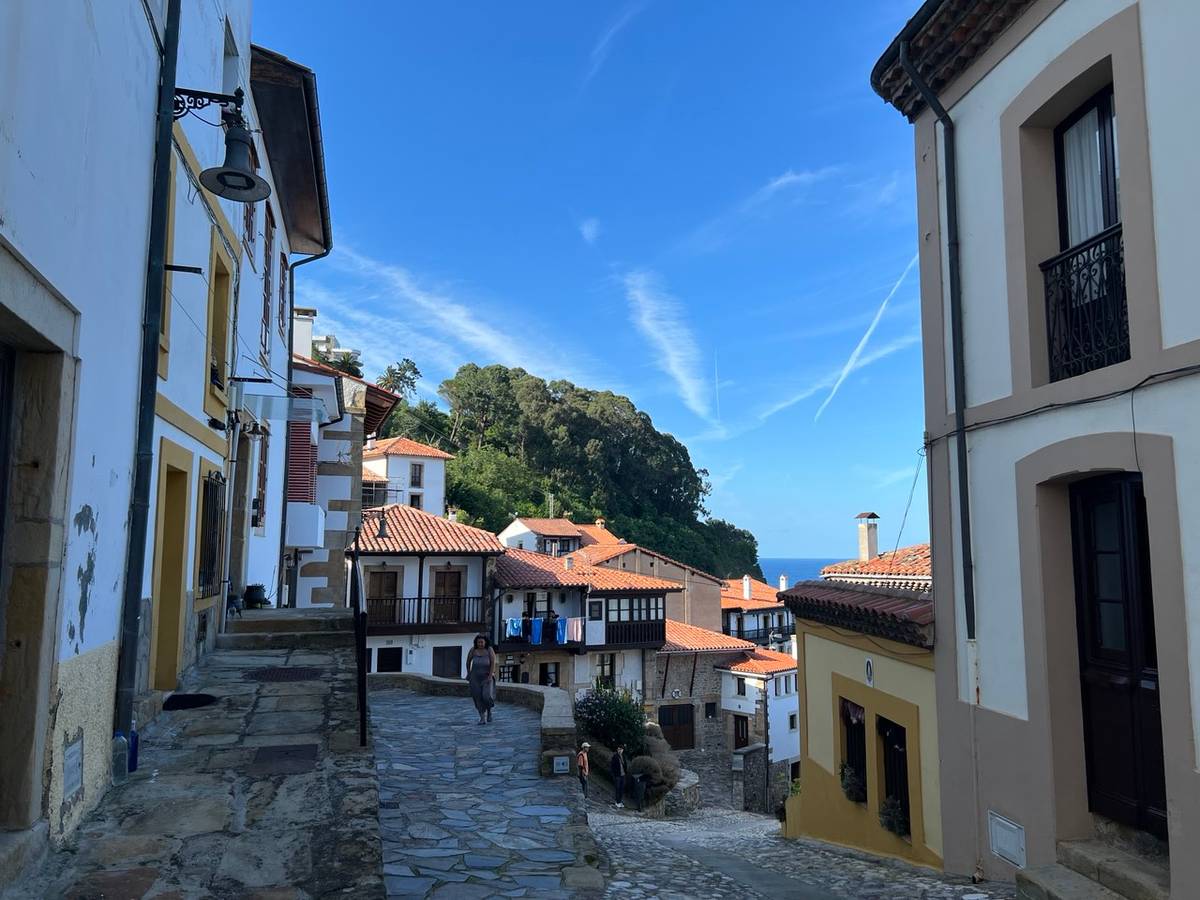
Beautiful homes in the hamlet
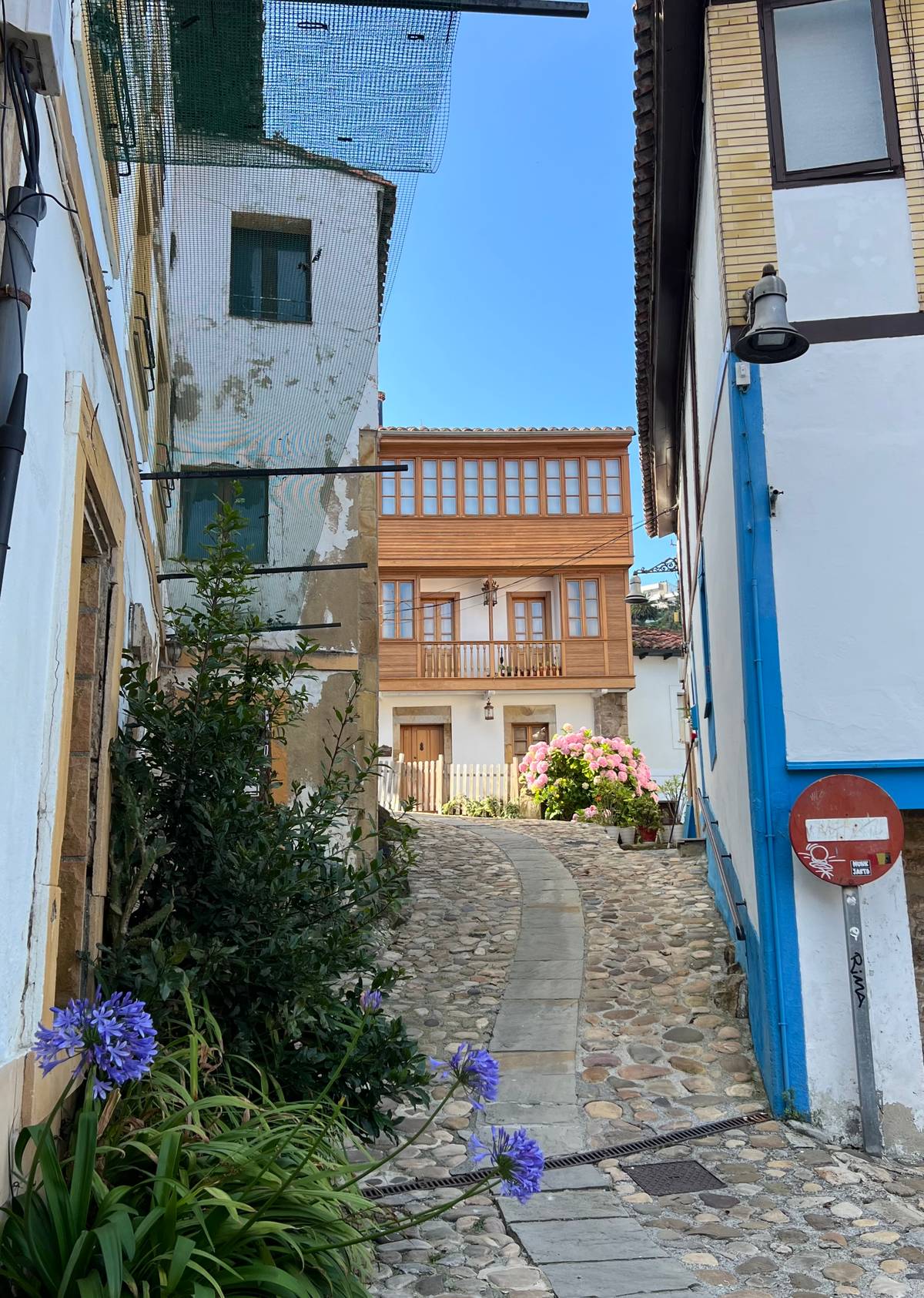
Some of the homes and streets in the town
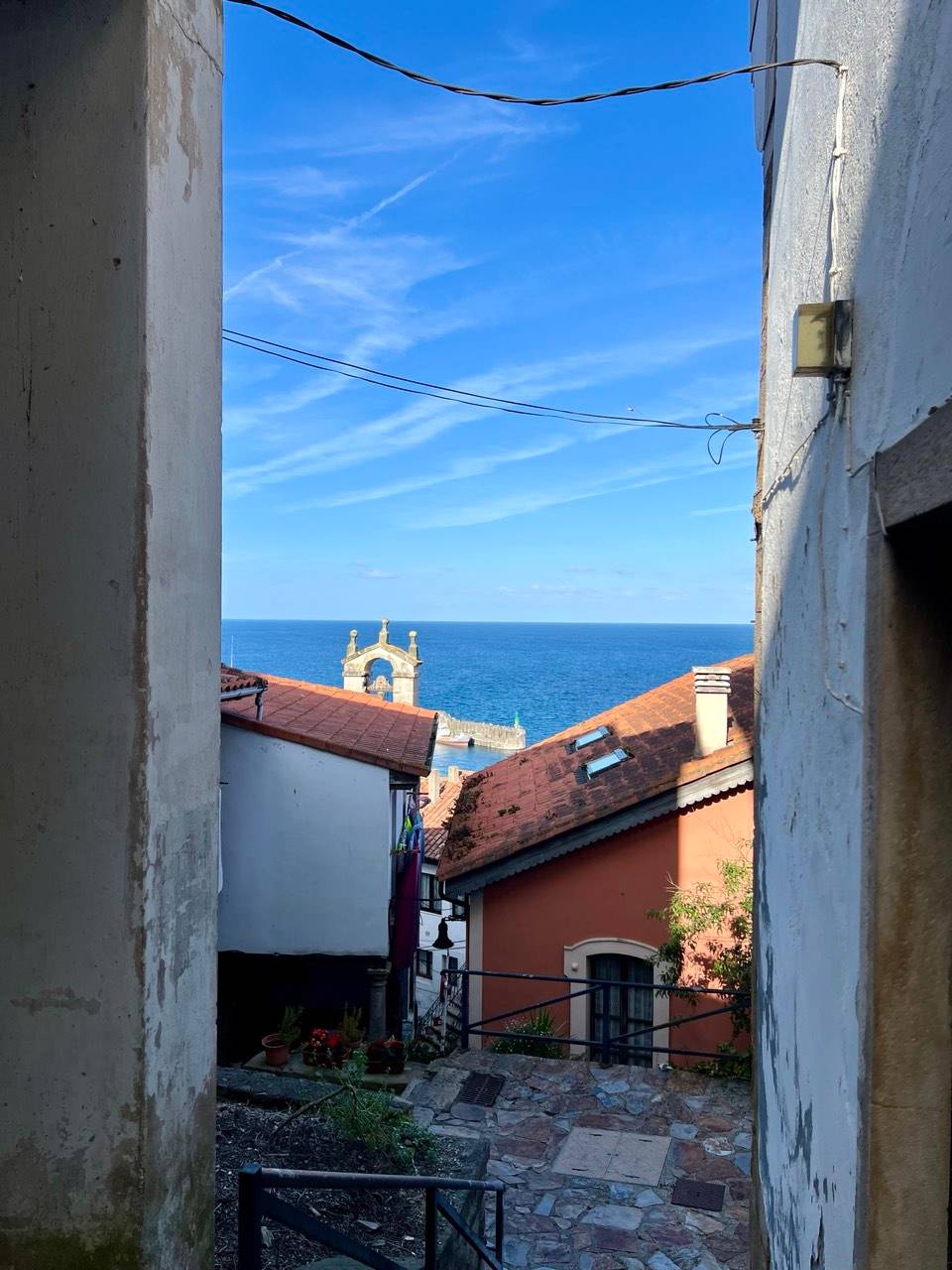
The narrow streets cascade down to the sea
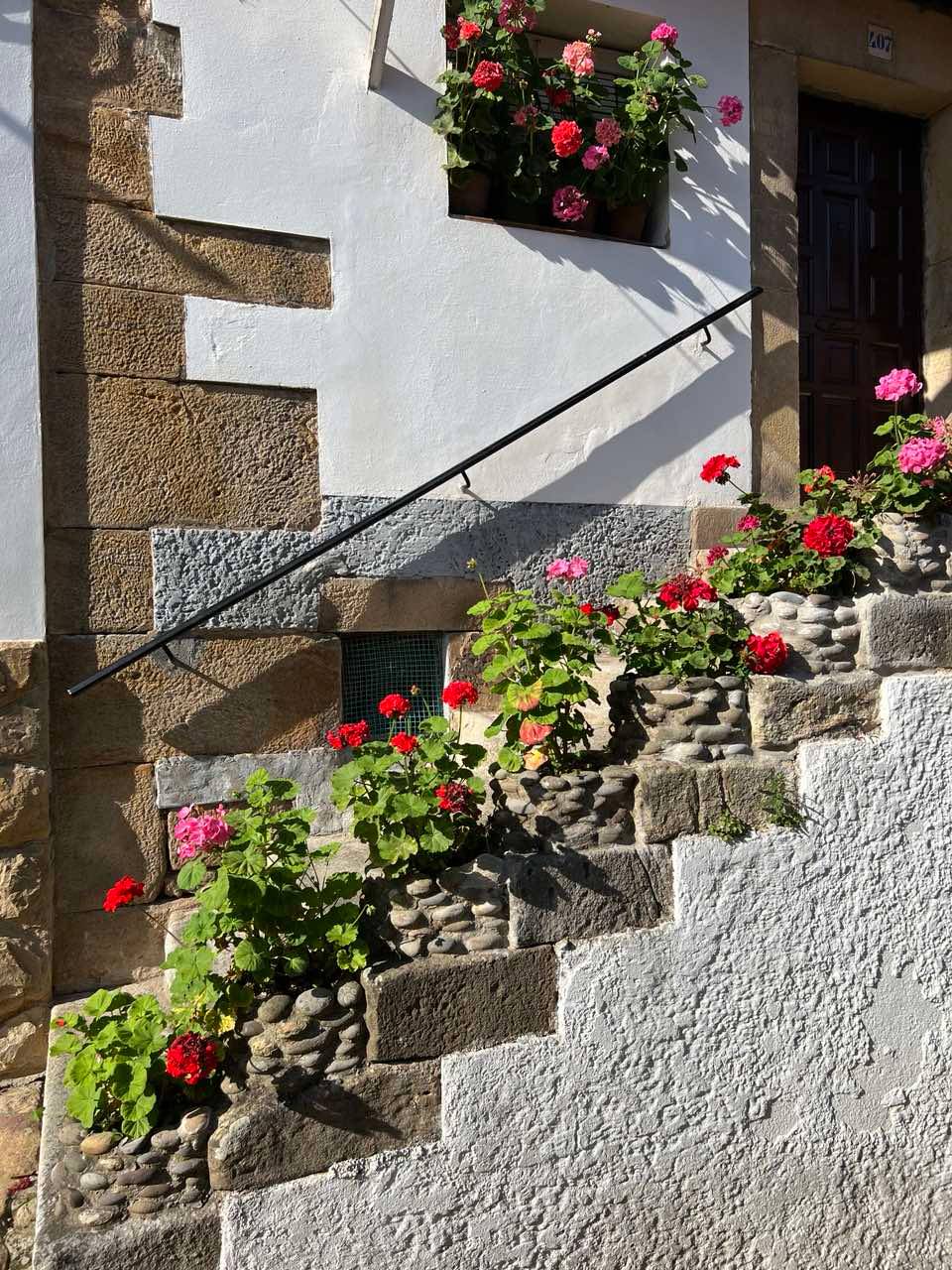
A quaint stairway lined with flowers
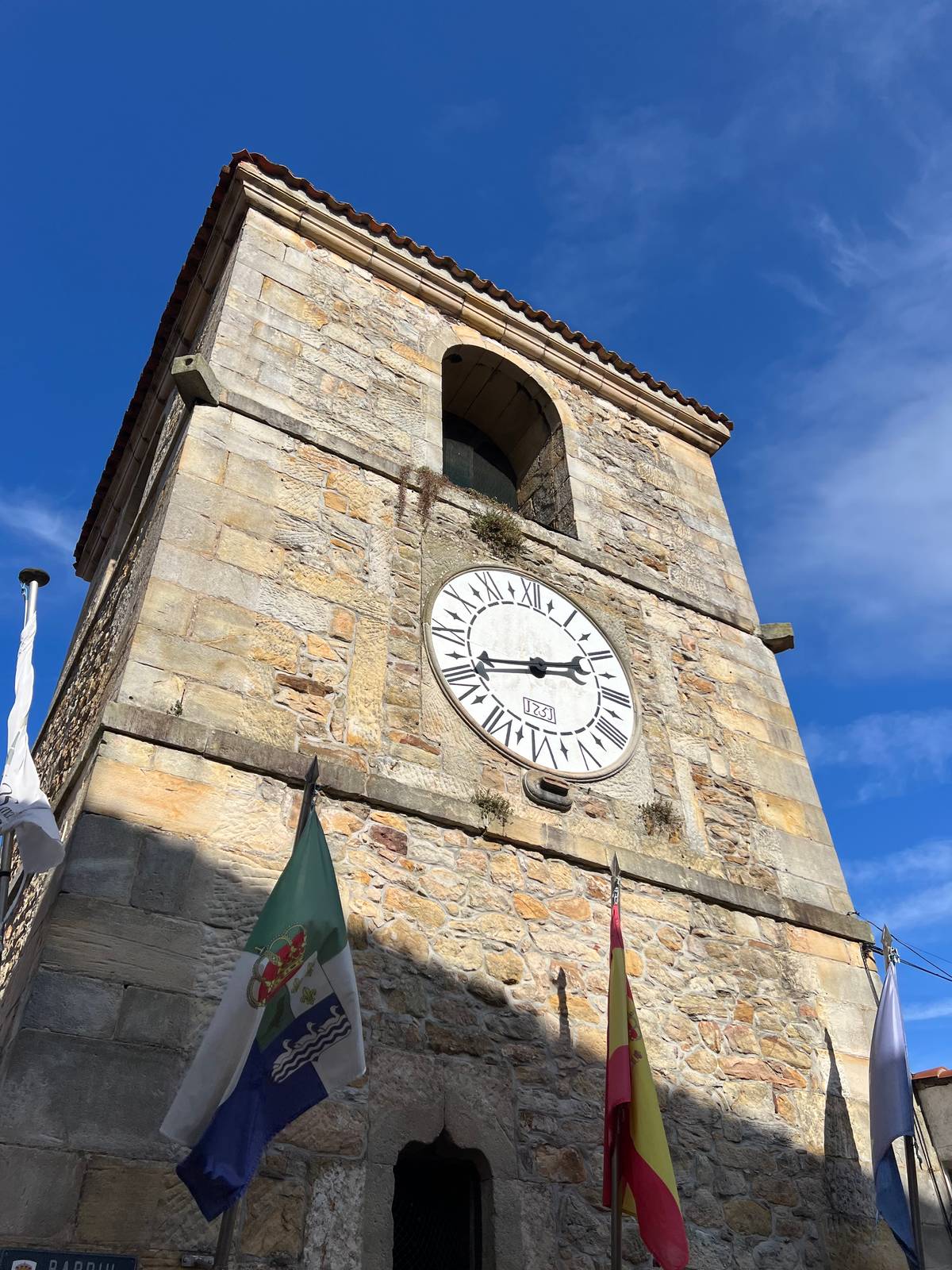
Torre del Reloj
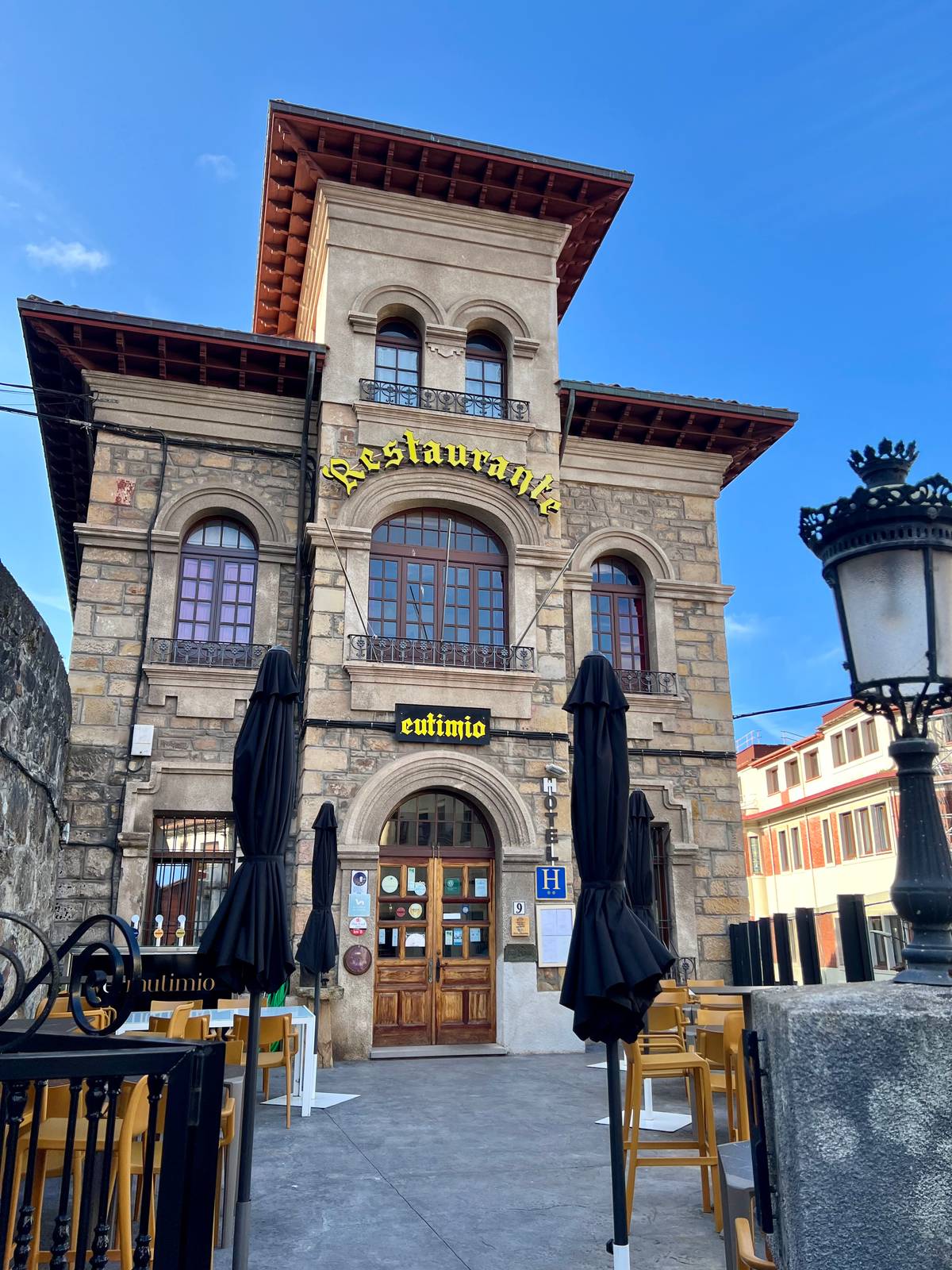
The Eutimio restaurant
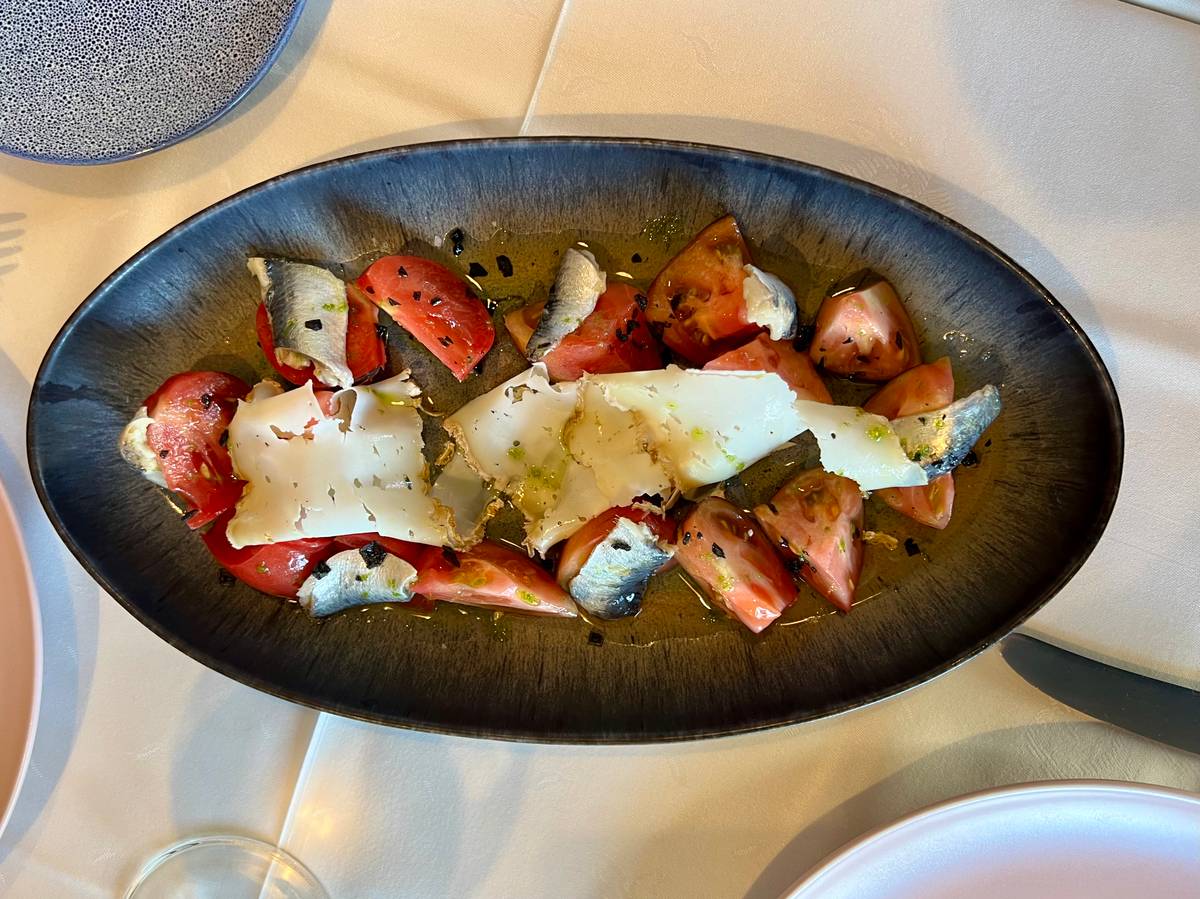
Sardinas with tomatoes, cheese, and olive oil
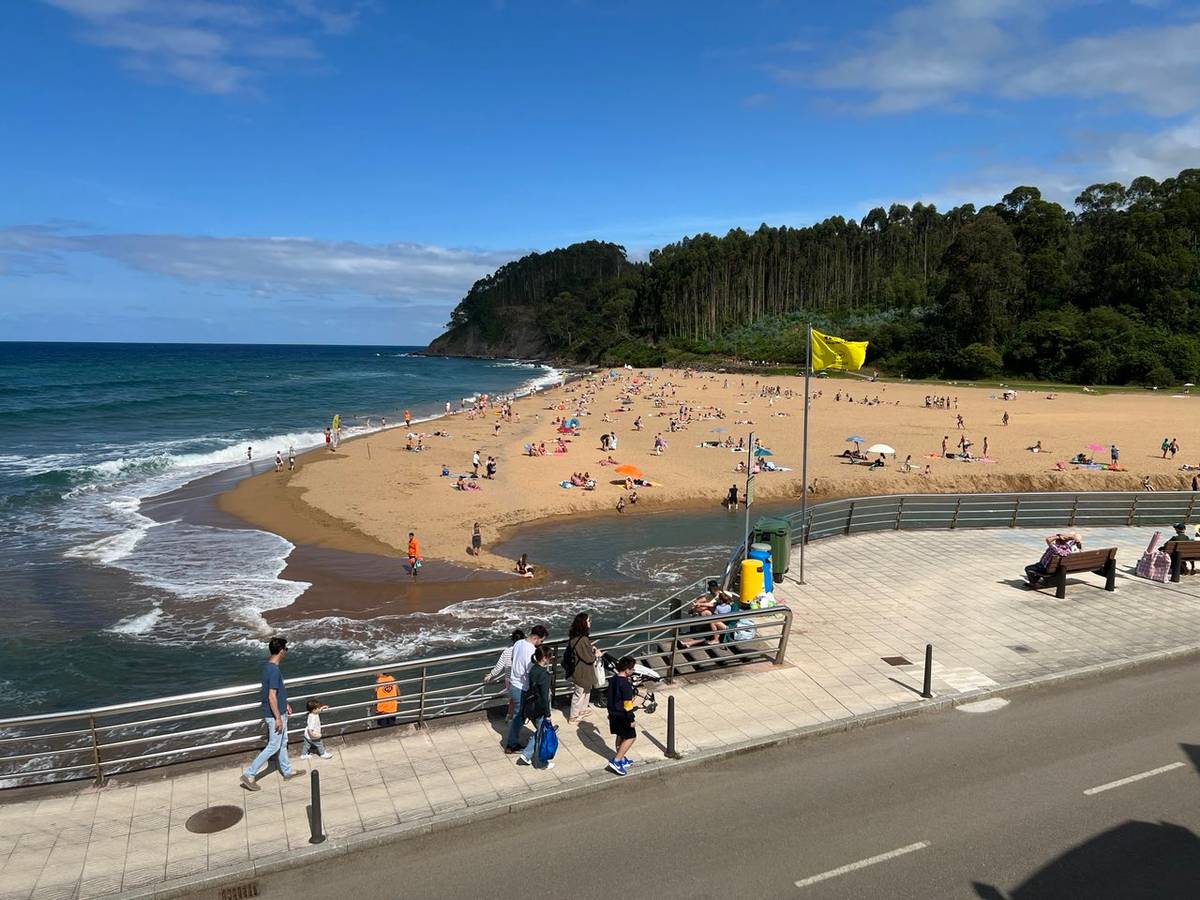
The playa y mar
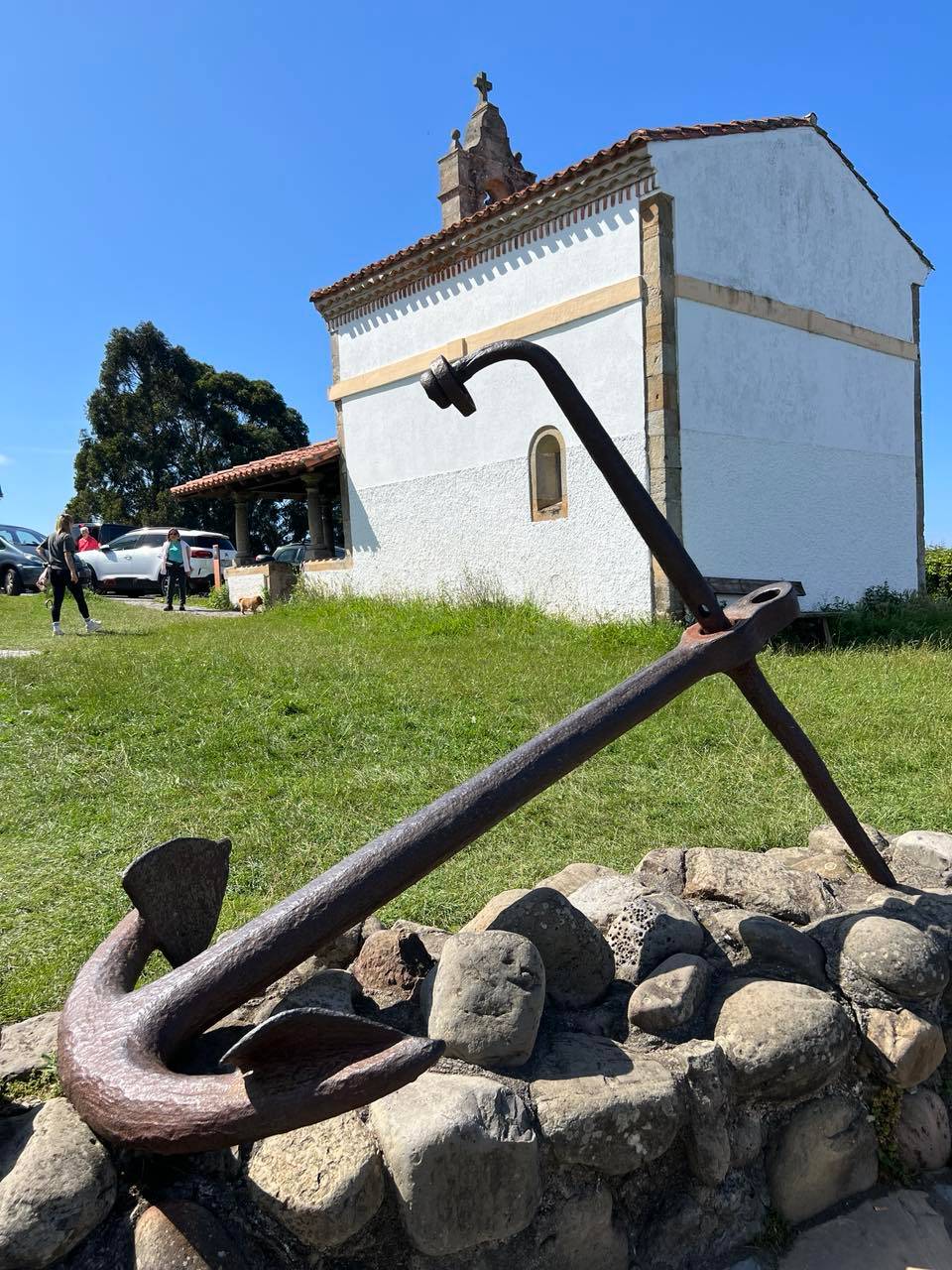
An anchor rests near the coast
In the sterling roster of the most beautiful pueblos en España is a quaint fishing hamlet with a charming yet most active puerto, which has continued to keep the local economy vigorous through the centuries. The name: Lastres.
From an up-high vantage point known as La Vista de San Roque, we feasted on a picturesque fishing communal by the northern coast of Spain en la provincia de Asturias. Nestled against the backdrop of the Cantabrian Sea, this rustic township is renowned for its stunning coastal views and a strong sense of community rooted in angling practices.
A point of interest was a marker which commemorated the visit of the Principe y Princesa de Asturias, which is considered the counterpart of United Kingdom’s Prince and Princess of Wales, in terms of genealogy.
As we meandered through the narrow and winding cobblestoned alleys — one-way streets only for compact European cars — we marveled at the well-preserved architecture, which embodied the rich historical and cultural heritage and reflected the region’s maritime traditions. Many of these structures date back to the 19th century, which shows their development during a period of increased maritime activity.
The uncannily attached-to-one-another homes — most sharing walls and seemed they were built even before the streets came into existence — reminded me of las casas colgadas de Cuenca. But this time, they cascaded all the way to the coast.
Oh yes, each one possessed a gorgeous flower box prettier than the next, a welcoming balcony where inhabitants would pass the time admiring the unobstructed view of la playa y el mar. Due to absence of fences and the proximity to the pedestrians, we were even tempted to peep into one of the open windows to have a chat with the owner!
A constant fixture of their skyline — although it is less pronounced than others, due to the terrain’s sloping nature — was the Torre del Reloj, a majestic clock tower on a hill. Initially built to serve as a visual beacon, it likewise functions as their plaza and center, where the townsfolk gather for social events.
It has since become a popular tourist destination due to its vantage point and a sweeping vista of the bay. We made a required stopover to rest, as we constantly detoured to spot the grass-is-always-greener fairytale-like homes. But we were glad we whimsically lost our way!
From a distance, we spotted the El Castillo, part of the old walled city and was a defense fort once upon a time. We soon learned they were castles owned by some privileged families — not royalty — of the olden era.
Though the sun still shone as we were right in the middle of summer, we felt it was time for an early dinner. We dropped by a curious restaurant with a noble, Socratic-looking facade named Eutimio, ran by two sisters and their families. We later discovered this was a Michelin star establishment!
They had just finished their busy late lunch service. Courteous servers with their forever friendly smiles asked if we could wait for the next shift to come in — all with an accommodating tone. However, in the end, they made a rare exception and gladly catered to us seniors who prefer their dinners earlier than the usual Spanish cena.
We soon noticed the menu changes on a per-day basis, based on the catch of the day, fresh off the market. We had the freshest of the fresh, concocted with well-guarded secret recipes known and valued in their kitchen.
We realized Lastres’ strategic location along the rugged coastline provides access to abundant marine resources, allowing local fishermen to engage in various forms of fishing, including both artisanal and commercial practices. This has fostered a deep connection — some admit a love affair — between the residents and the sea, shaping their way of life in all aspects imaginable.
Speaking of the bounty of the ocean, there is a lively and buzzing fish market where everyone knows everybody, which must serve as the lifeline of the town. A cultural hub and economic cornerstone, the mercado is abuzz from the break of dawn until mid-morning, as fishermen continue to unload their prized seafood of the day.
We also found out Lastres is populated with various canning industries and facilities, which operate on a daily basis. They go through a meticulous process of selecting the latest catch such as sardinas, anchoas, atun y bonito. Cleaned. Cooked. And preserved in cans.
The economy and culture became intertwined with this practice, fostering specialized skills in canning techniques and packaging that met international standards of excellence. Today, the humble hamlet continues to uphold its reputation for producing premium canned seafood, sought after for its artisanal quality.
And although we missed these, there are several other sights we were urged to explore on our next trip. One was Playa de Lastres, a coastal area popular for its panoramic glimpse of the sea and is a favorite gathering hub for locals and visitors alike.
Another one was the Jurassic Museum, also called MUJA, which is shaped as a dinosaur footprint! It is said to contain over 8,000 fossils of the prehistoric creatures, and even boasts of several larger-than-life replicas of their appearances as if they were still alive!
We ended the most rewarding day with a stroll, where locals on their own private paseos greeted us with warm sonrisas — this best encapsulates the sense of camaraderie of Lastres, all brought together by a shared love for the sea and its bounties.
Hindu immigrants abroad celebrate in either August or September Ganesh Chaturthi, a 10-day festival commemorating the…
President Ferdinand Marcos Jr. on Tuesday called for women’s greater representation in leadership across Southeast…
The Senate impeachment court on Tuesday denied the prosecution’s bid to compel Vice President Sara Duterte to confirm…
