
Iligan City in 210 pages
From early settlements to its rise as an industrial center, Iligan’s history unfolds in ‘Kaagi: Readings on the History of Iligan,’ a collective work by MSU-IIT historians, affirming the value of documenting local histories.
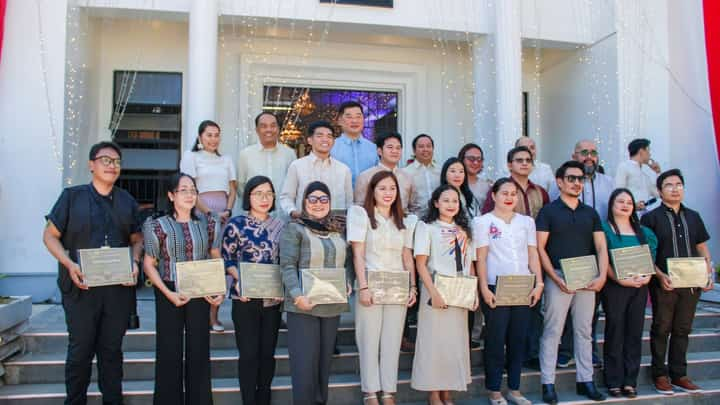
It is rare for an entire university history department to undertake the writing of a town or city’s history. With Kaagi: Readings on the History of Iligan, the Department of History of the College of Arts and Social Sciences at Mindanao State University–Iligan Institute of Technology (MSU-IIT) has brought that collective effort to fruition, with support from the local government.
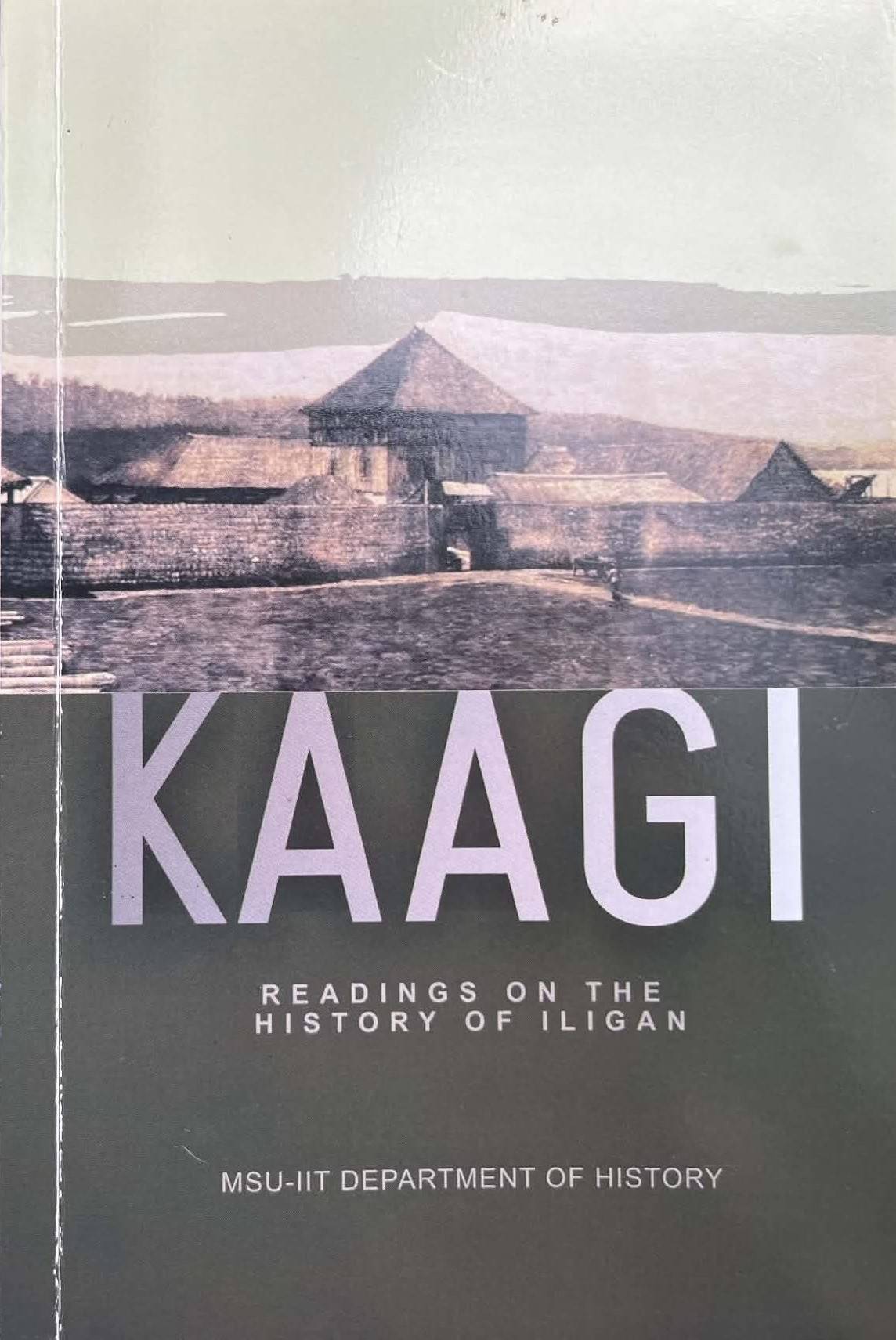
‘KAAGI Readings on the History of Iligan’ brings together essays on the city’s past and heritage by MSU-IIT historians.
Photographs by Edgar Allan M. Sembrano for DAILY TRIBUNE
The anthology draws on the work of the department’s administrators and educator-historians to trace Iligan’s history and heritage, reaching back to the period before its founding as a town in the early seventeenth century.
Among its authors are respected Mindanao historians Rey Luis Montesclaros; Cecilia Tangian, also a commissioner of the National Historical Commission of the Philippines; and MSU-IIT history department chair Jamelyn Palattao.
Broad in scope and accessible in its presentation, the book examines the forces and experiences that have shaped the city. It opens with Iligan’s geography, explores archival maps, early settlements, and ancient trade, then moves through the Spanish and American colonial periods, the Second World War, and the postwar years.
It also examines the turbulent years of martial law under President Ferdinand Marcos and the conflict in Lanao del Sur that prompted migration to Iligan in the 1970s. This movement of people helped shape the city’s increasingly diverse cultural landscape.
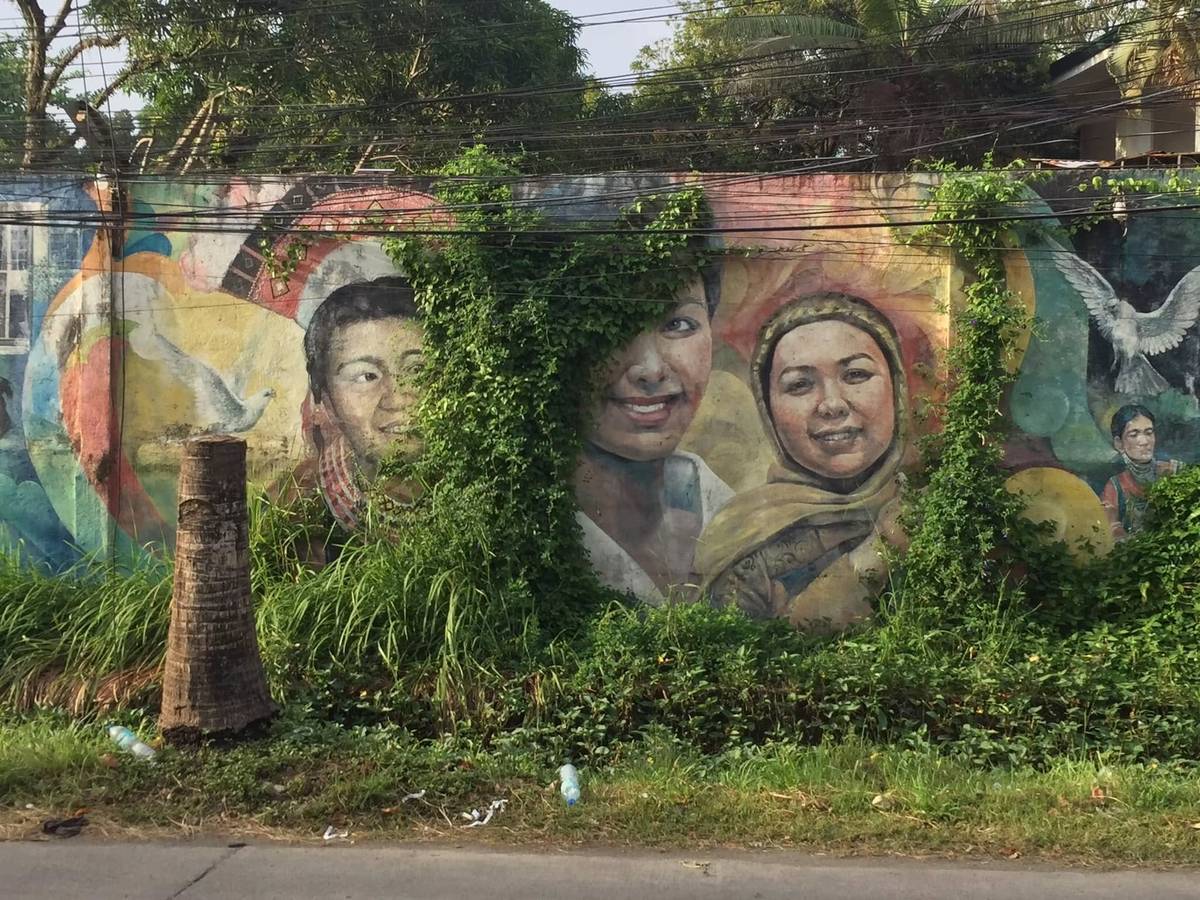
MURAL at one of Iligan’s streets
Iligan’s prominence as an industrial center in Mindanao receives attention, including its past role as a steel-manufacturing hub. The closing essays turn to transport, tourism, life in the digital age, and the diyandi ritual honoring the city’s patron saint, San Miguel Arcangel.
As scholarship on Philippine history expands beyond familiar subjects and narratives, Kaagi offers a useful model for local history studies elsewhere in the country. Its strength lies in the shared undertaking: historians bringing their knowledge and diligence to the task of documenting a place and its people.
In its 210 pages, the book affirms the value of sustained, collaborative scholarship — and of local histories that deserve to be researched, written, and read.
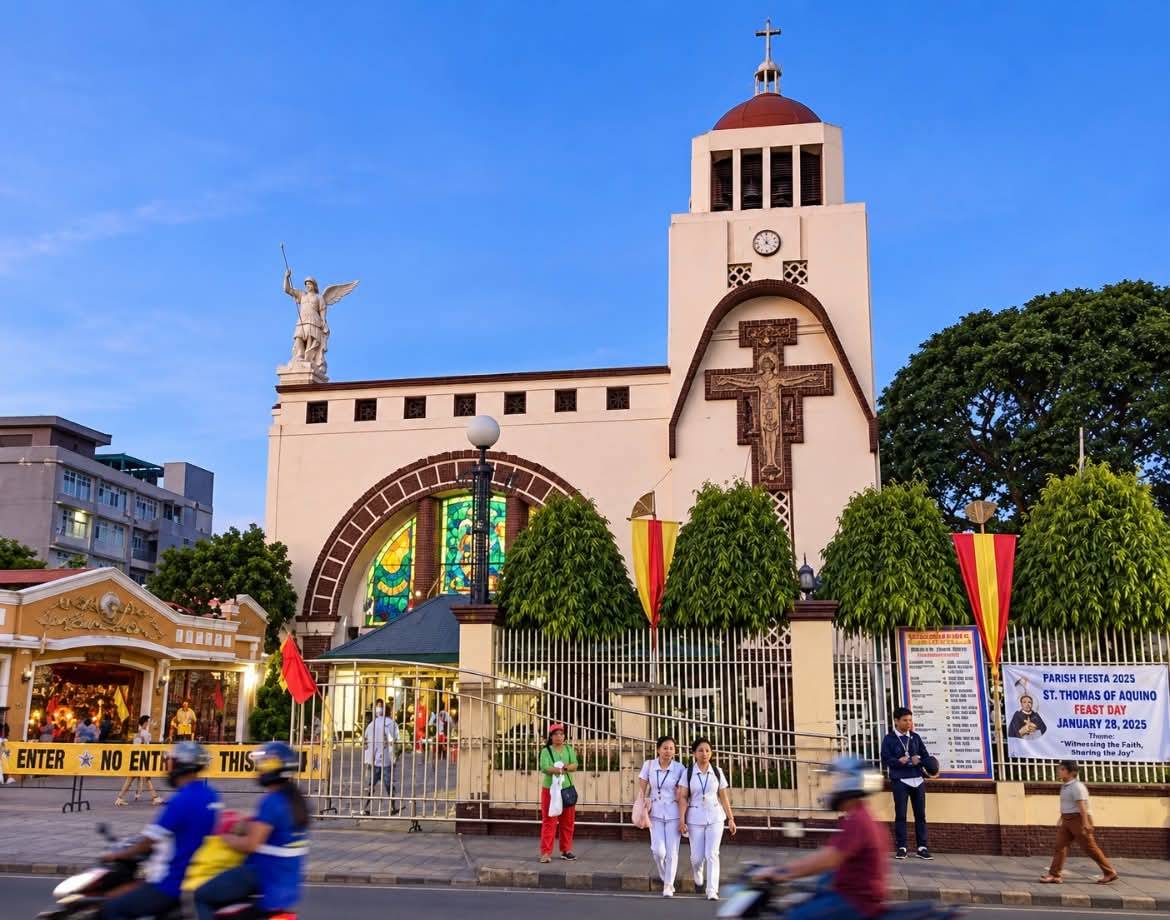
ST. Michael's Cathedral.