
The climate opportunity
Renewable energy and storage serve different functions, but together they help build a more flexible and lower-carbon power system.
The Philippine energy transition is sometimes described as if it were a choice between the present and the future: keep energy affordable and reliable today, or invest in a lower-carbon system for tomorrow.
In reality, we need to do both. Families and businesses need dependable energy now. The country also needs additional capacity to support development. At the same time, climate change is already intensifying heat, floods, storms and water stress, while global markets and technologies are moving toward lower-carbon solutions.
The real challenge is not choosing one objective. It is managing several at once: affordability, reliability, energy security, emissions reduction, adaptation and inclusive growth.
This is the focus of the Climate & Energy Opportunities pillar of the refreshed #OneAboitiz Sustainability Framework. It covers energy affordability, climate transition risks and opportunities, and climate-related physical risks and adaptation.
Energy affordability is fundamentally a social and economic concern. Electricity prices affect household budgets, the competitiveness of businesses, and confidence in the energy system. But affordability cannot be sustained by neglecting reliability or the financial viability needed to maintain and expand supply.
The practical task is to balance cost-reflective pricing with efficient operations, portfolio optimization, long-term contracting, innovation, and continued engagement with regulators and customers.
Programs such as free house-wiring electrification for Cebu communities and Davao Light’s Sitio Electrification Program for underserved areas show how access can be extended to communities that might otherwise remain disconnected. Technology and innovation across AboitizPower plants are also helping operations work smarter in support of reliable electricity.
At the same time, the global transition is reshaping regulation, markets, capital flows, and technology. For companies, this creates risks: assets can become less competitive, policies can change, and investment decisions can be exposed to new assumptions. But the transition also creates growth opportunities.
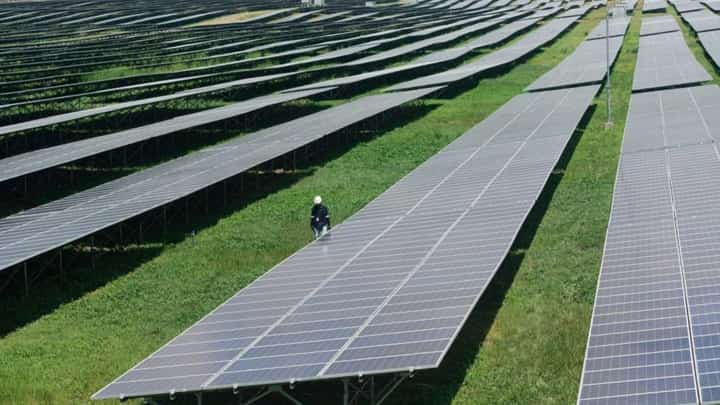
Aboitiz Renewables has received the green light for a major solar facility in the Visayas and secured a P7.4 billion loan for its Olongapo solar project. AboitizPower is also developing a 30-megawatt battery energy storage system in the Mactan Economic Zone. Renewable energy and storage serve different functions, but together they help build a more flexible and lower-carbon power system.
Sustainable finance can further support this shift by directing capital toward credible transition and resilience investments. When climate considerations become part of portfolio strategy and capital allocation, they move from the margins of the business into the core of how future value is built.
The other side of the climate challenge is physical risk. For the Philippines, climate risk is not abstract. We experience it. Flooding interrupts logistics and damage facilities. Extreme heat affects workers, equipment, and energy demand. Water stress constrains operations and communities. Stronger storms disrupt power, transport, food supply and communications.
Adaptation needs to be incorporated into asset siting, engineering design, maintenance, insurance, hazard mapping, and business continuity planning. Davao City Water District’s work to set a new standard in water supply, resilience planning across infrastructure and industrial assets, and Aboitiz Foods’ efforts to strengthen risk management demonstrate that adaptation is both a protective measure and an operational discipline.
Natural capital also has an important role. Aboitiz Foundation’s CarbonPH project of 10 million trees connects carbon sequestration with biodiversity, watershed protection, community participation, and the emerging potential of high-integrity carbon markets. Nature-based solutions are most valuable when they deliver real environmental outcomes and durable benefits for the communities caring for those landscapes.
The strongest climate strategies recognize that mitigation, adaptation and development are interconnected. Renewable energy helps reduce transition exposure. Storage supports system flexibility. Resilient infrastructure protects continuity. Financial solutions mobilize capital. Nature-based initiatives can strengthen ecosystems and livelihoods.
None of this can be delivered by one business or sector alone. It requires collaboration among energy companies, banks, infrastructure developers, technology providers, government, customers and communities.
It also brings us back to the other pillars of the #OneAboitiz Sustainability Framework. Capable people execute the transition. Strong governance directs capital responsibly. Trusted businesses bring customers and communities along. Climate and energy investments create value that can be sustained.
The transition will not be achieved through ambition alone. It will be built through thousands of practical decisions: how assets are designed, which technologies receive capital, how risks are priced, how customers are served, and how communities share in the benefits.
Climate change is one of the defining risks of our time. Managed well, the response can also become one of our defining opportunities — to build stronger businesses, more reliable systems, and a more resilient Philippines.