
A story behind the world’s most prized coffee bean
From Ethiopia’s ancient coffee forests to a restored Moroccan palace in Morocco, the story of Arabica coffee spans centuries, shaping coffee culture while inspiring one of today’s best-known luxury coffee houses.
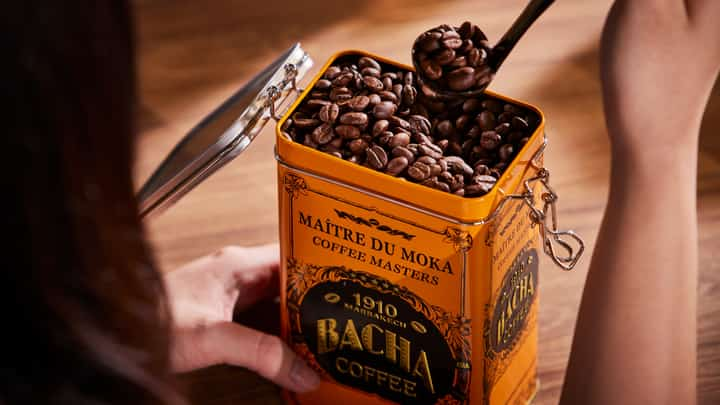
THE journey of Arabica coffee spans continents, connecting generations of growers, roasters and coffee lovers around the world.
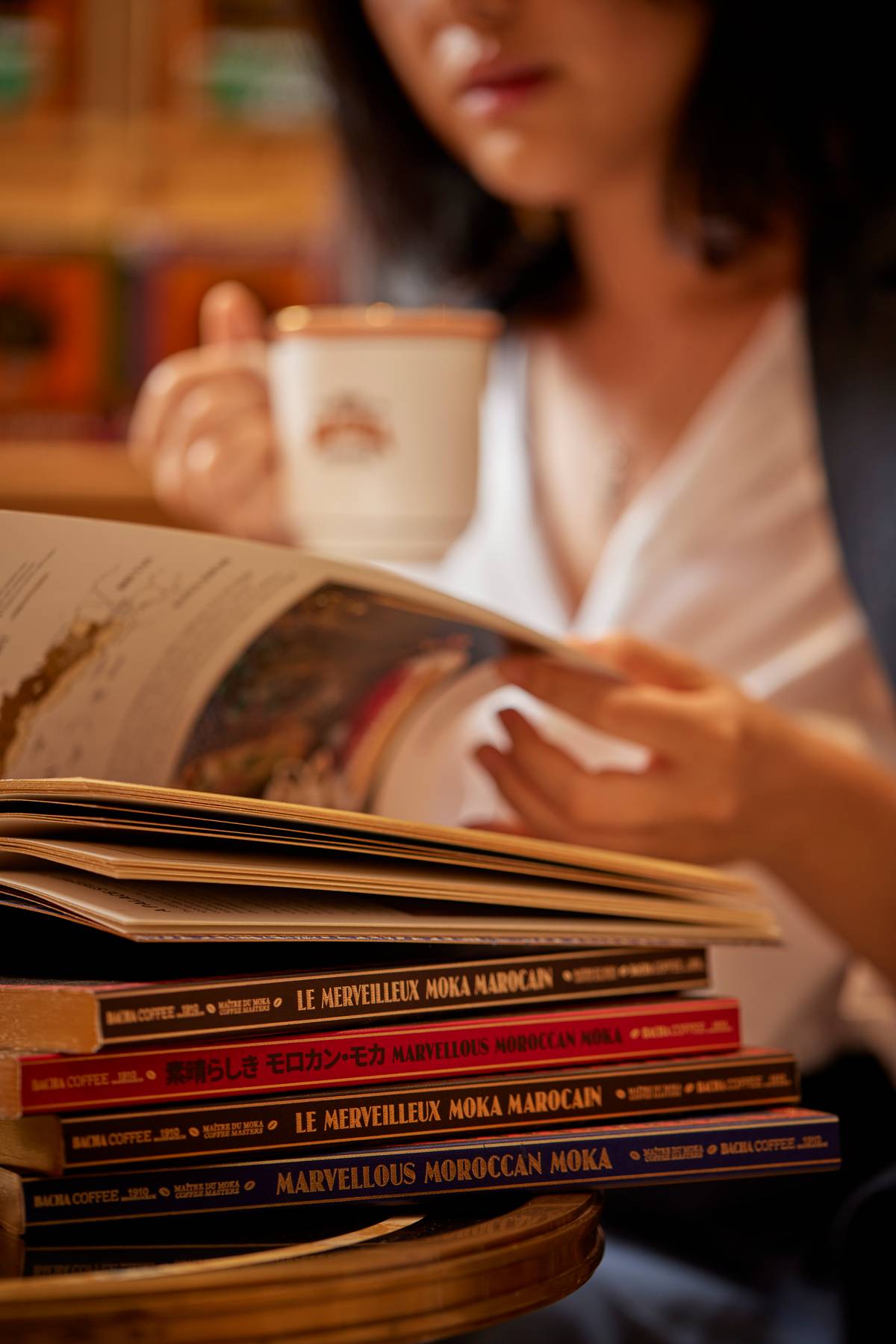
THE story of Arabica coffee spans generations, connecting coffee-growing regions, cultures, and communities worldwide.
Long before coffee became a daily ritual, the Arabica plant was already fueling warriors in the highlands of Ethiopia.
Believed to have originated in the wild forests of Kaffa, Coffea arabica has been prized for centuries. Historical accounts suggest that Ethiopia’s nomadic Galla tribe mixed coffee cherries with ghee to sustain warriors during long journeys and battles.
From there, Arabica made its way to Yemen, where coffee drinking flourished in the 15th century before spreading across the Arabian Peninsula and reaching Europe through the bustling port of Moka. The variety would go on to shape coffee culture worldwide, prized for its delicate sweetness, balanced acidity, and notes of chocolate, caramel, nuts, and berries.
Today, Arabica accounts for roughly 75 percent of global coffee production.
A palace built around coffee
For Bacha Coffee, Arabica serves as the foundation of a story that stretches across continents and generations.
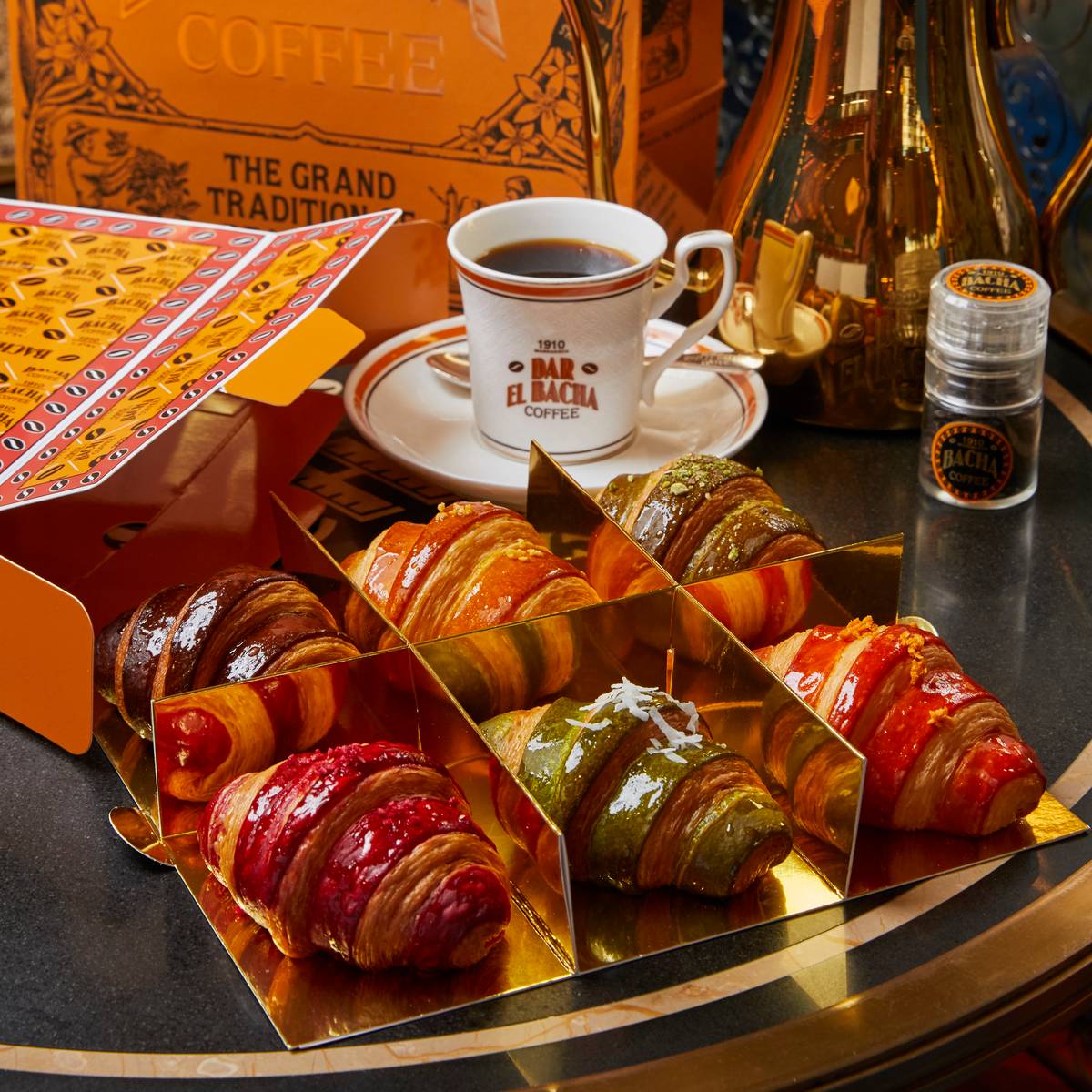
COFFEE and croissants remain a classic combination.
The luxury coffee house traces its origins to the historic Dar el Bacha palace in Marrakech, Morocco. Built in 1910, the palace became a gathering place for political leaders, artists, writers, and cultural figures, including Charlie Chaplin, Josephine Baker, Franklin D. Roosevelt, Winston Churchill, Maurice Ravel, and Colette, who met over cups of what was then known as the “coffee of Arabia.”
Following World War II, the palace remained closed for more than six decades before undergoing an extensive restoration led by Morocco’s Fondation Nationale des Musées. It later reopened as the Museum of Confluences, with Bacha Coffee restoring its famed coffee rooms while preserving the property’s original architecture and craftsmanship.
Today, visitors can once again enjoy coffee beneath the palace’s ornate ceilings and colorful mosaics, recalling the elegance of its early 20th-century heyday.
From origin to cup
Beyond its heritage, Bacha Coffee sources 100 percent Arabica beans from more than 35 coffee-producing countries.
The company works directly with growers to oversee quality from cultivation through harvest before roasting each variety individually using traditional slow-roasting methods. Roasted at lower temperatures and naturally cooled, the beans retain the distinctive characteristics of their origins.
Its collection features more than 200 coffees, including single-origin selections, signature blends, and flavored varieties inspired by destinations around the world.
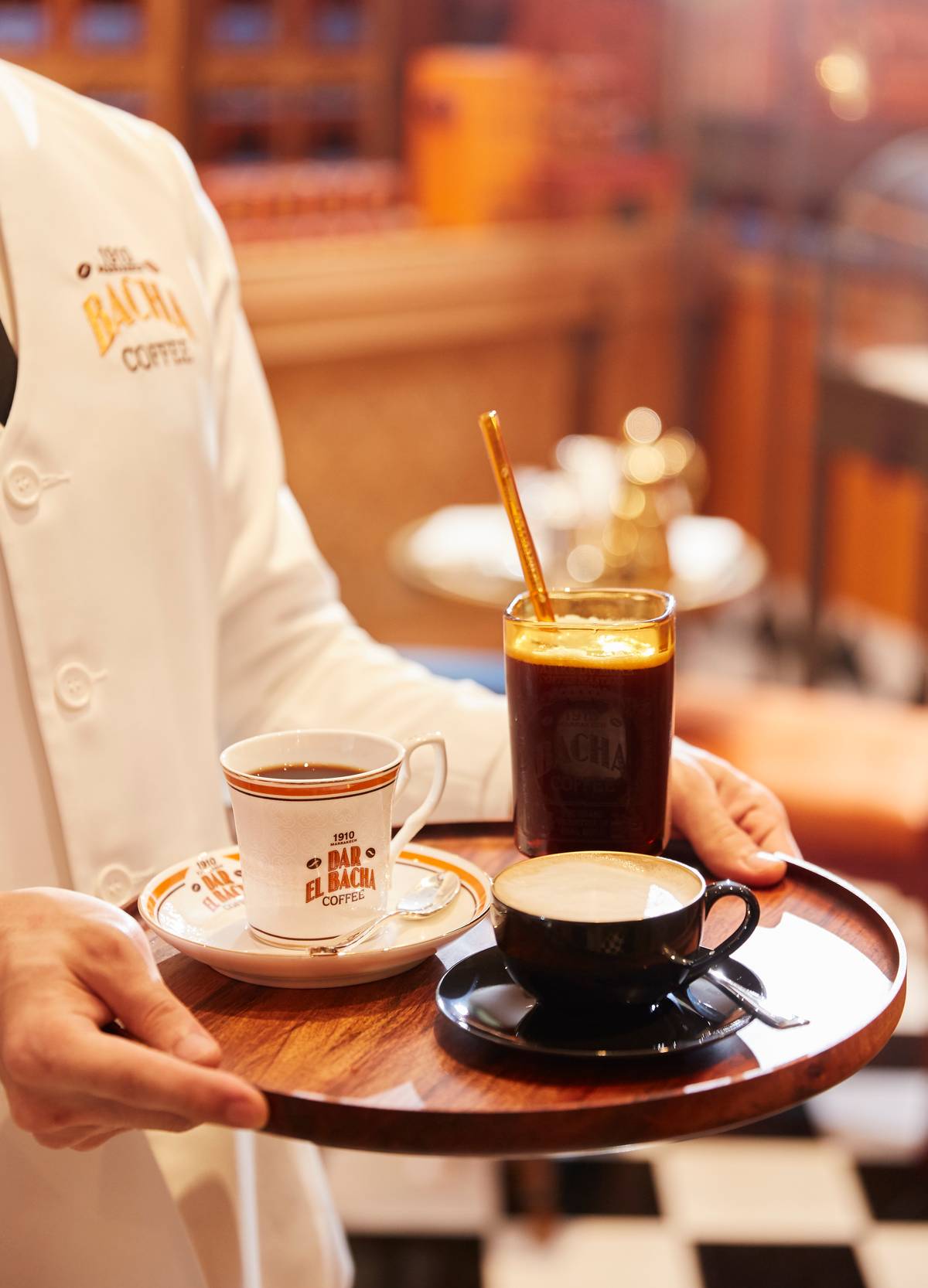
ARABICA coffee’s centuries-old journey reflects a history shaped by cultivation, trade and traditions across continents.
Among the Arabica cultivars in its lineup are Typica and Bourbon, regarded as the two foundational varieties, alongside Caturra, Maragogype, Gesha, Pacas, and Pacamara, each known for its distinct flavor profile and growing conditions.
Arabica reflects centuries of cultivation, trade, and craftsmanship — qualities that continue to shape how coffee is enjoyed around the world.