
Peso depreciation raises gov't foreign debt costs
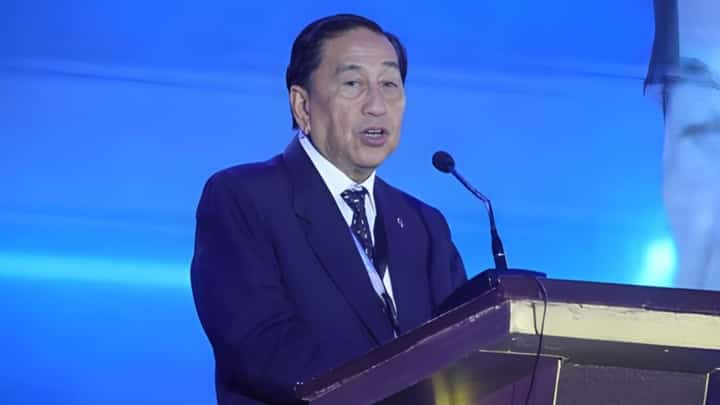
The Philippine peso’s continued depreciation against the US dollar is creating both opportunities and financial pressures across the economy, benefiting exporters and families receiving remittances while raising the cost of servicing the government’s foreign debt, Sergio R. Ortiz-Luis Jr. said.
In a radio interview Ortiz-Luis, president of the Philippine Exporters Confederation Inc. (PHILEXPORT) and the Employers Confederation of the Philippines (ECOP), said the peso’s decline was no longer as catastrophic as it had been in the past.
Exporters and tourism-related businesses stand to gain from the weaker currency because their dollar earnings translate into more pesos. Families receiving money from overseas Filipino workers (OFWs) can also receive more in local currency when dollar remittances are converted.
Agriculture may benefit as well, depending on export opportunities. However, farmers and food producers that rely on imported fertilizer, fuel, machinery and other production inputs could face higher expenses as the peso loses value.
Importers and manufacturers dependent on foreign raw materials and equipment are similarly exposed to higher costs, particularly when their revenues are earned mainly in pesos.
The government also faces a larger bill for servicing foreign debt. Since dollar-denominated obligations require more pesos when the local currency weakens, depreciation can increase the peso cost of existing overseas loans.
Ortiz-Luis cautioned against blaming the peso’s decline alone for inflation, citing other pressures, including higher fuel prices linked to conflict in the Middle East. More expensive fuel can raise transportation and production costs, which businesses may eventually pass on to consumers.
He said a weaker peso could remain beneficial to some industries provided depreciation does not happen too sharply or rapidly, allowing companies time to adjust to exchange-rate movements and manage expenses.
On the possibility of businesses cutting jobs or shutting down because of the weaker peso, Ortiz-Luis said the exchange rate would not necessarily be the primary factor. He pointed instead to broader operating pressures, particularly high electricity costs.
He also cited US economic and policy developments as influences on the peso-dollar exchange rate but declined to forecast the currency’s direction, noting continued uncertainty surrounding external factors, including fuel prices.
The overall impact of further depreciation, he said, will depend on each industry’s exposure to foreign exchange movements, imported inputs and dollar earnings.