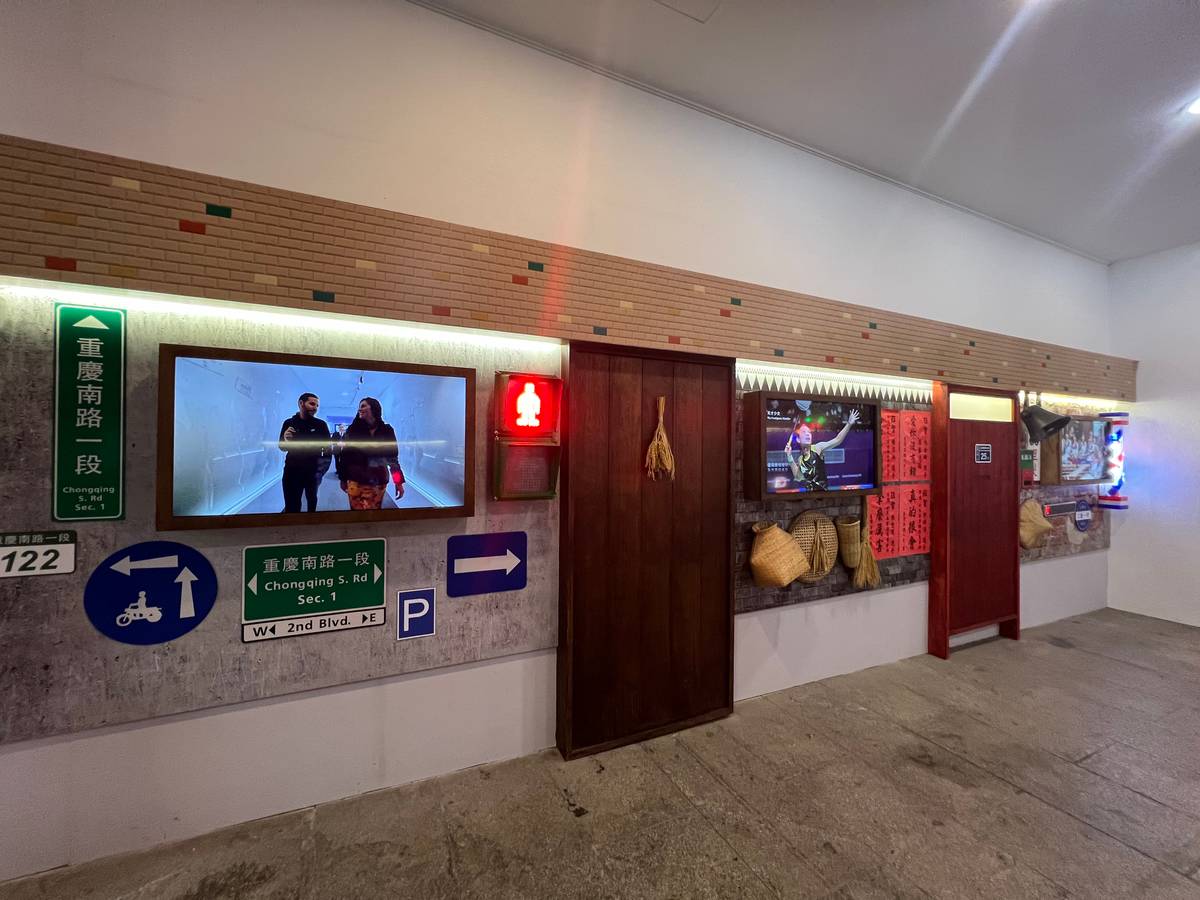
A century of stories inside Taipei’s Presidential Office Building
A section dedicated to Taiwan’s democratic movement also highlights the protests and milestones that shaped the country’s political development.
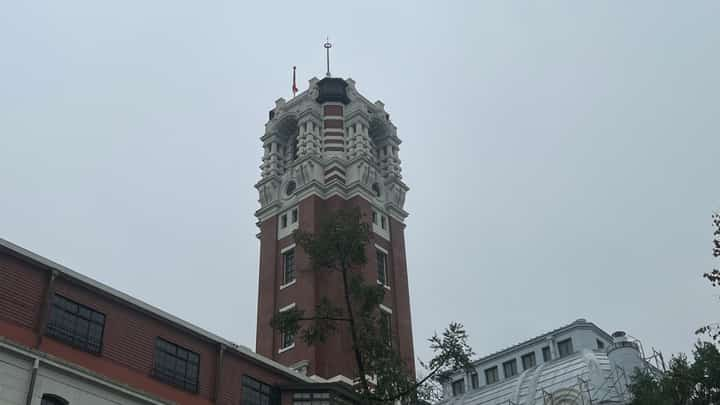
TAIPEI'S Presidential Office Building stands as a historic landmark, reflecting Taiwan’s architectural heritage and political evolution over more than a century.
PHOTOGRAPHS BY PAULINE SONGCO FOR DAILY TRIBUNE
For more than a century, the Presidential Office Building in Taipei has stood as a witness to Taiwan’s history, from its beginnings during the Japanese period to its role as the country’s center of government today.
Construction of the building began in 1912 and was completed in 1919, at a time when major public structures were being built using Western architectural influences to represent modernization.
The building reflects the continental classic style, characterized by polished stone, decorative columns, domes and mansard roofs. Other Taiwanese structures built with similar influences include the Taipei Guest House, Tainan District Court, Taichung Prefectural Government Building, National Taiwan Museum and National Museum of Taiwanese Literature.
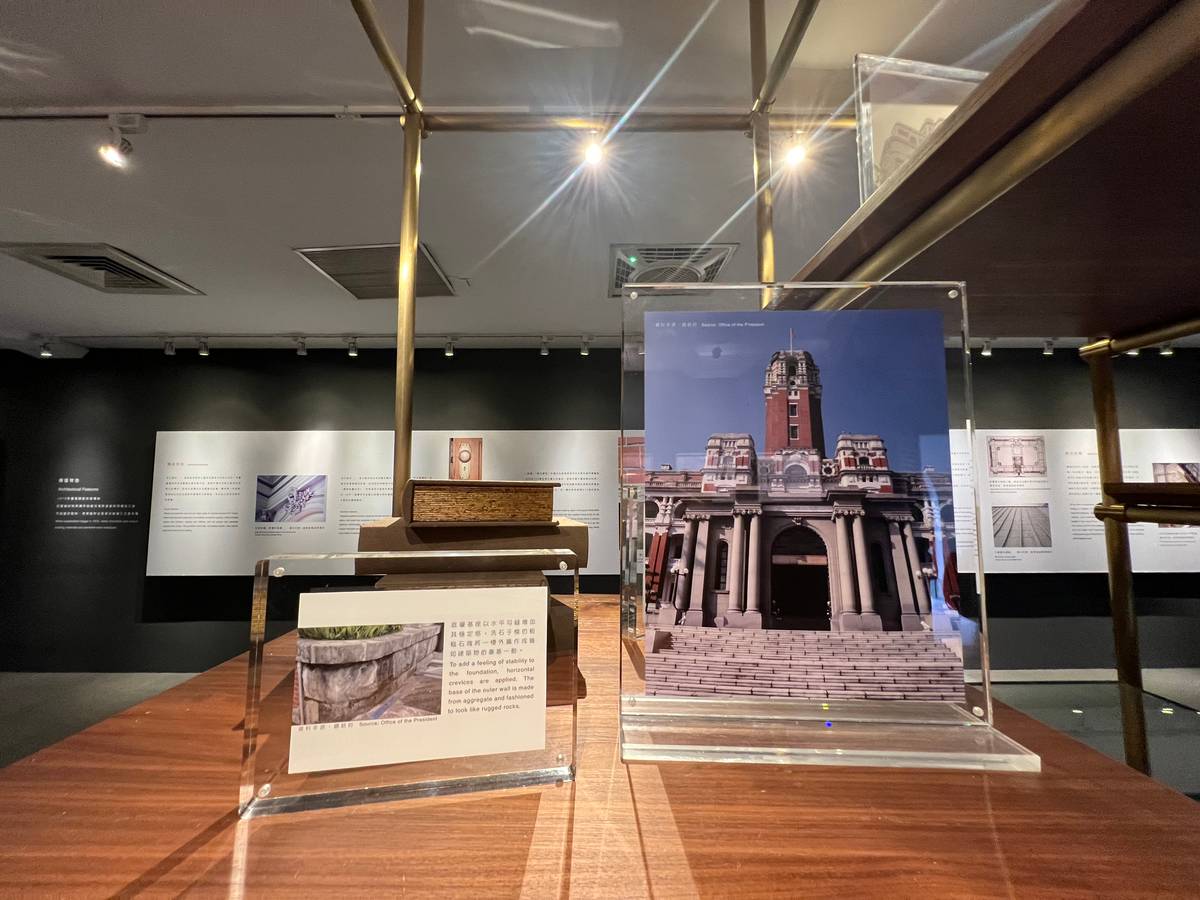
BUILT between 1912 and 1919, Taipei’s Presidential Office Building has witnessed major historical events and remains an important symbol of Taiwan’s government.
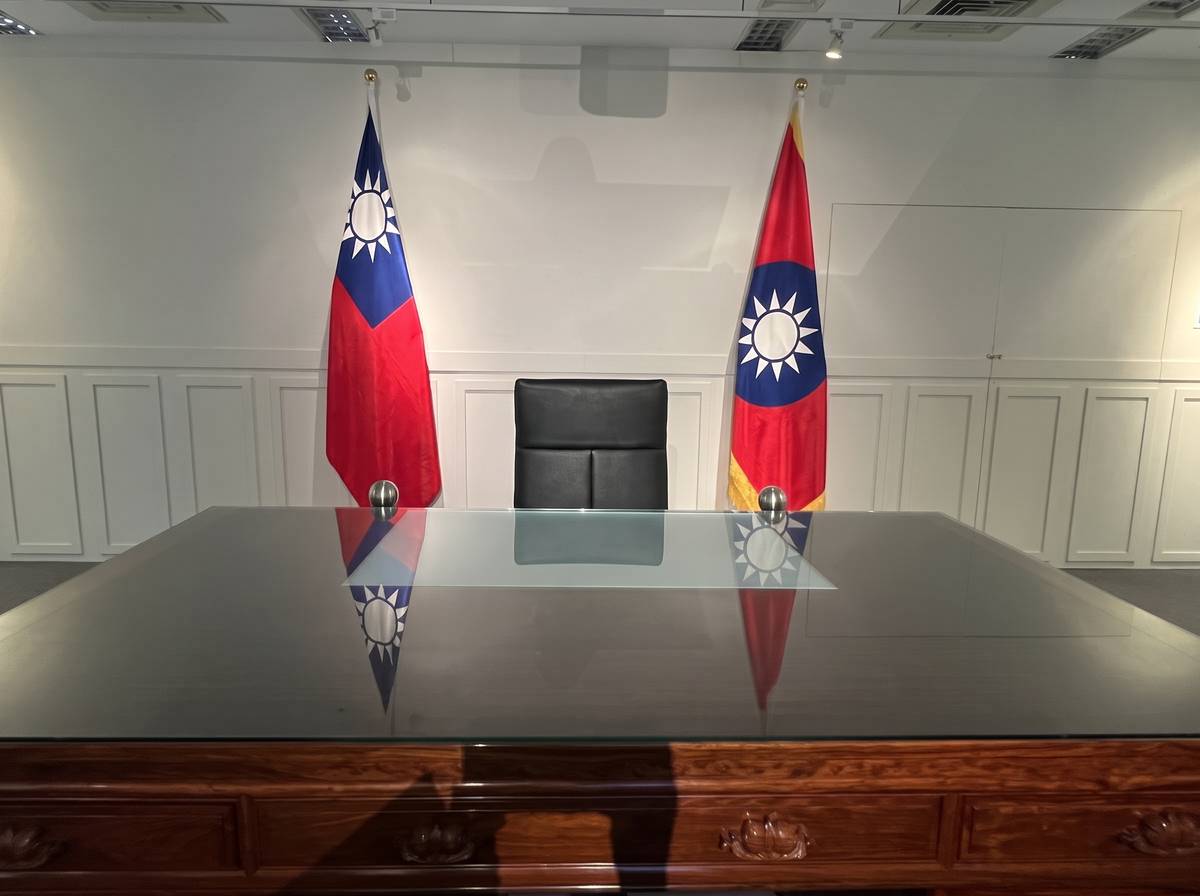
A REPLICA presidential desk flanked by the national flags of the Republic of China (Taiwan) inside the Presidential Office Building in Taipei, Taiwan.
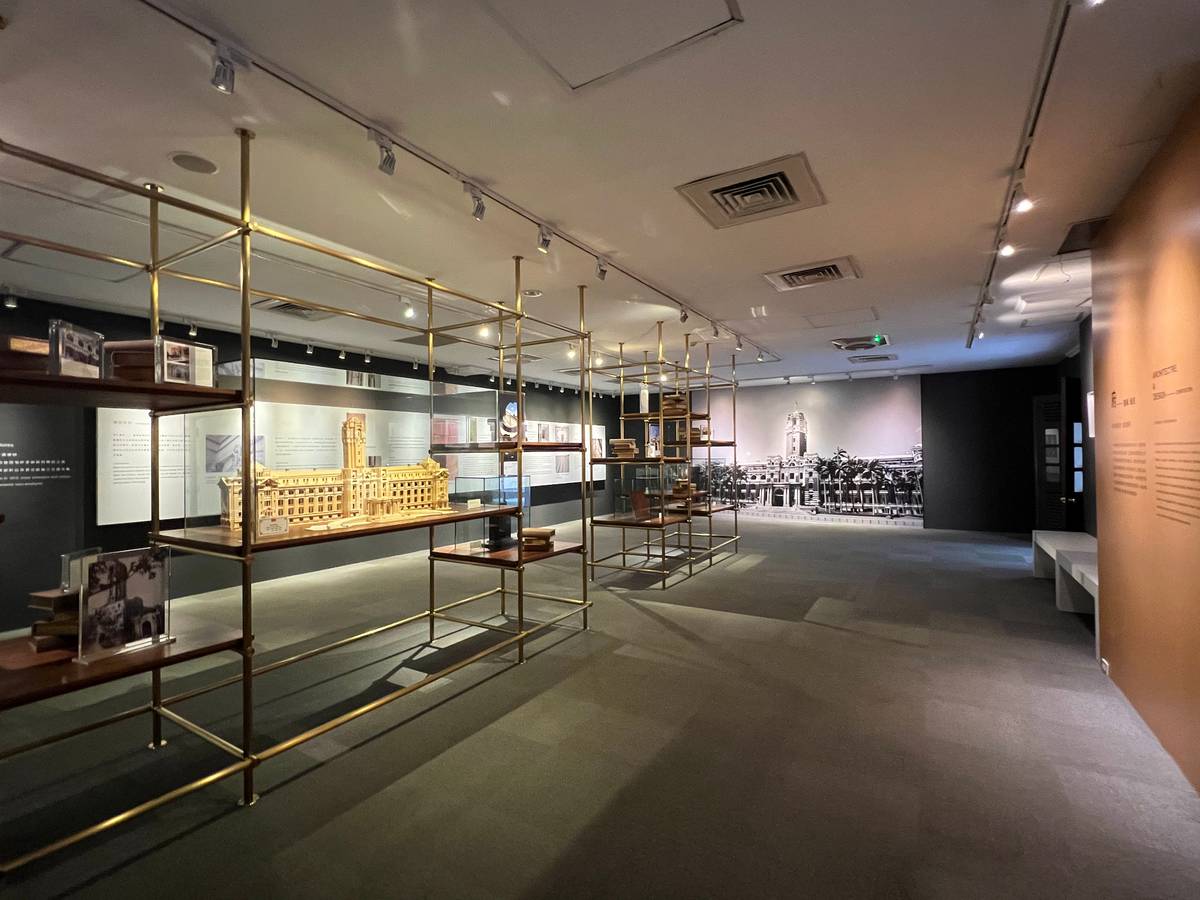
EXHIBITIONS at the Presidential Office Building highlight Taiwan’s cultural and political milestones, including the democratic movement that helped shape its modern identity.
Over the years, the landmark also experienced the challenges brought by history. In 1935, part of its fifth floor was damaged by fire. A decade later, the building suffered further destruction during the Taipei Air Raid.
In 1945, it was renamed Chieh Shou Hall in celebration of President Chiang Kai-shek’s 60th birthday. After the Republic of China government relocated to Taiwan in 1949, the building officially became the Office of the President. Restoration work was eventually completed in 1961.
Recognizing its historical significance, the Presidential Office Building was declared a national historic site and important cultural asset in 1998.
Today, parts of the building are open to the public, allowing visitors to explore its galleries and exhibitions. Guests can visit areas such as the Taiwan Heritage Room, President’s Hall, Rainbow Room and Auditorium, which showcase Taiwan’s history, culture and presidential heritage.
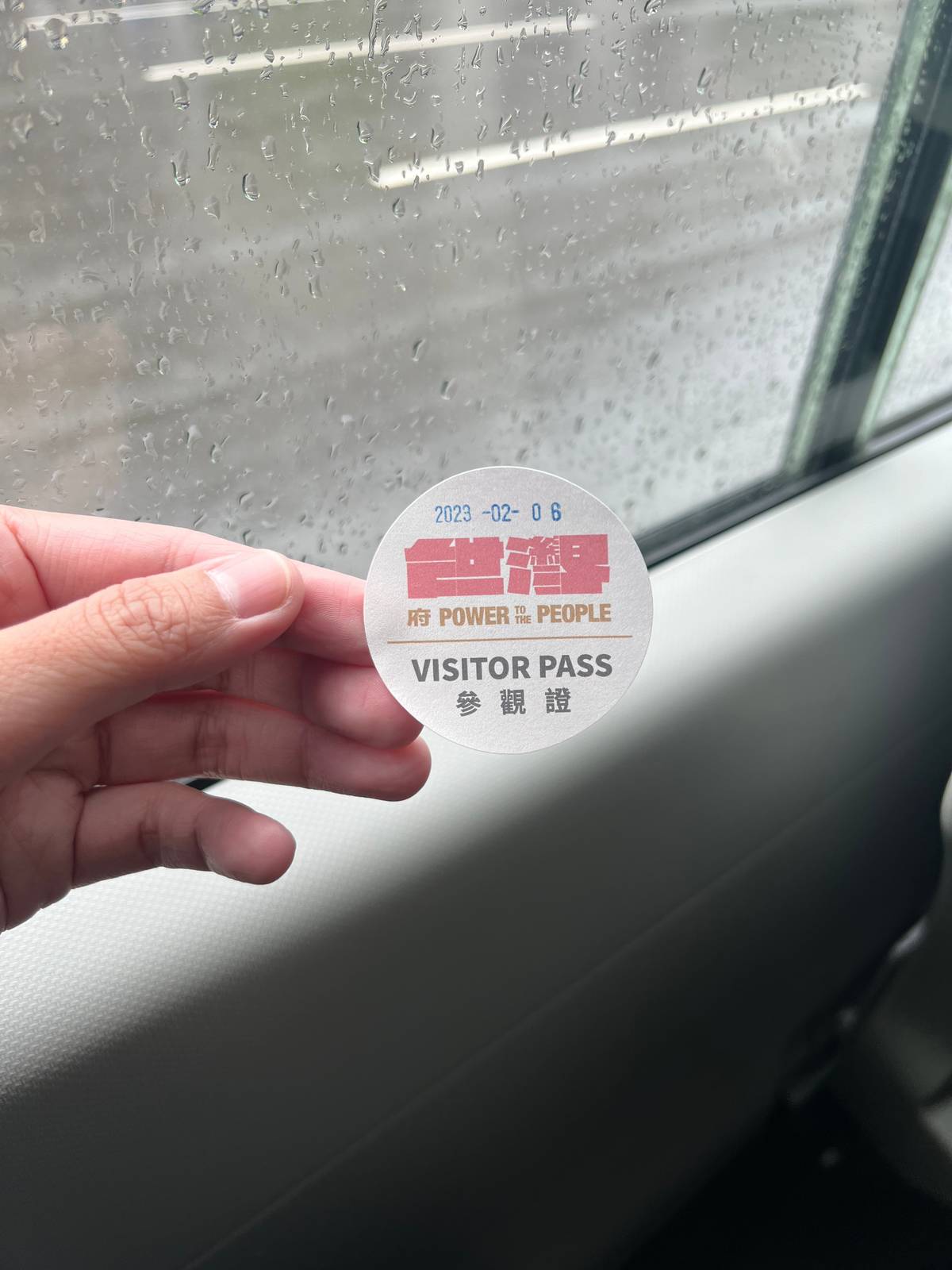
VISITORS receive commemorative stickers as passes.
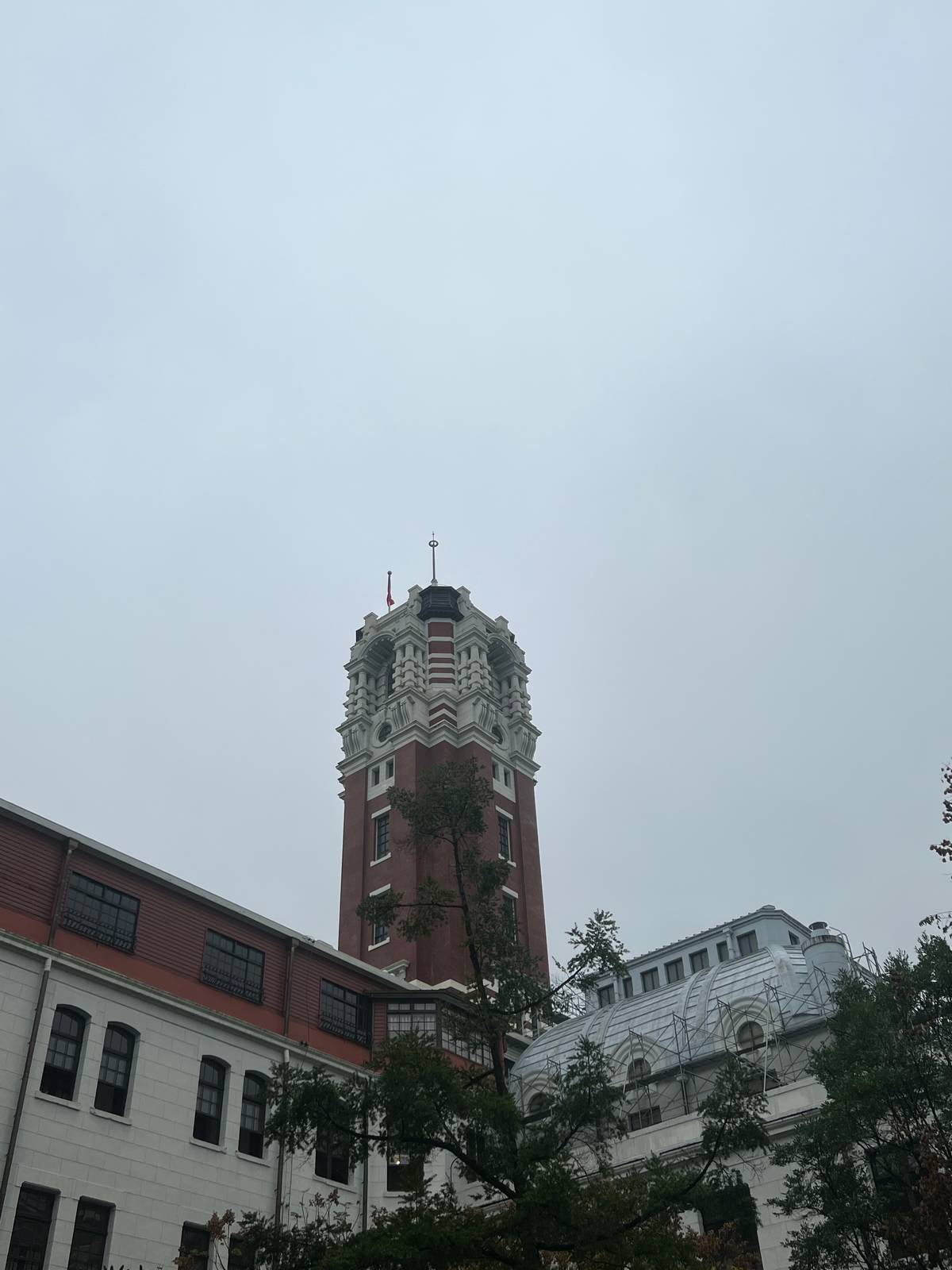
TAIPEI'S Presidential Office Building stands as a historic landmark, reflecting Taiwan’s architectural heritage and political evolution over more than a century.
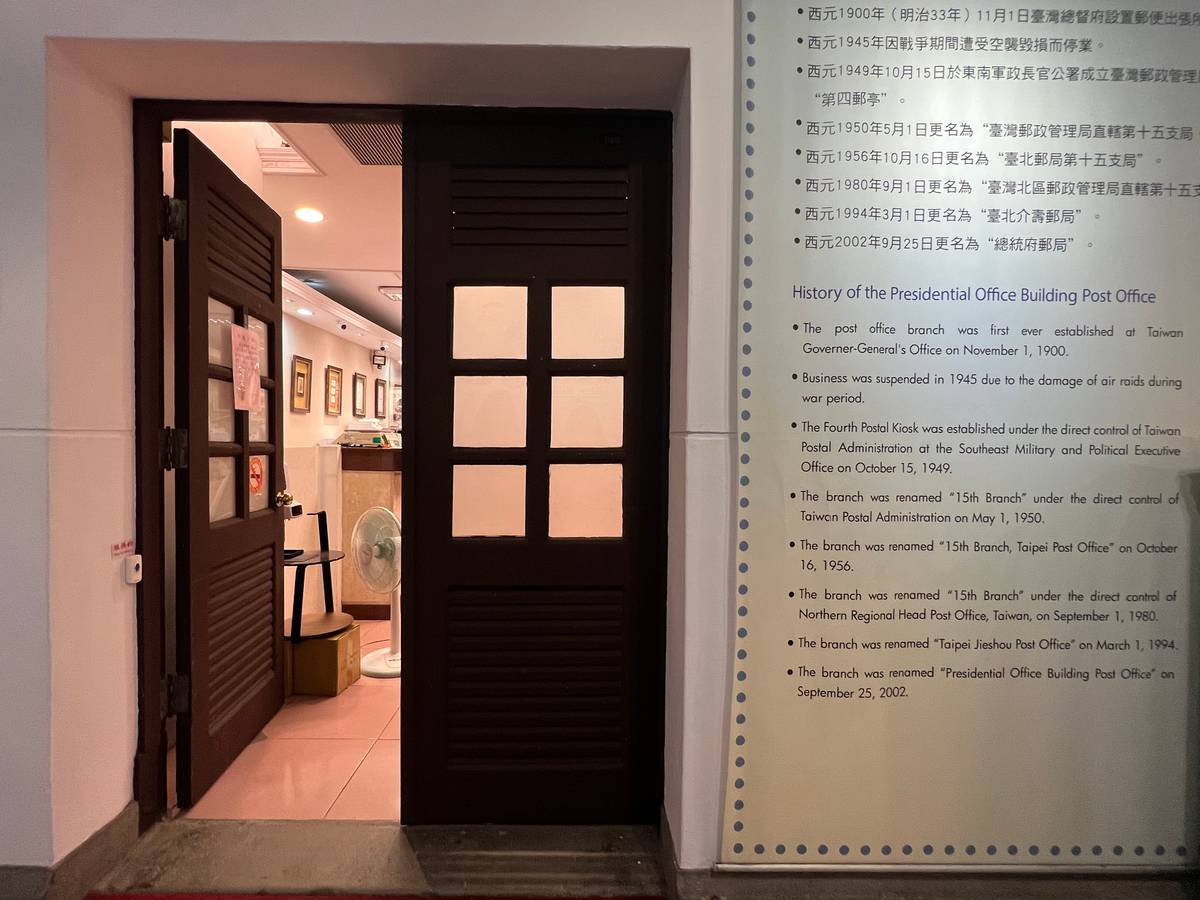
Inside, visitors can learn more about the daily life of the country’s leaders through displays featuring personal items, important documents and memorabilia from previous administrations.
A section dedicated to Taiwan’s democratic movement also highlights the protests and milestones that shaped the country’s political development.
Film lovers can also find a special exhibit celebrating the Golden Horse Film Festival and Awards. Established in 1962, the festival remains one of the most important events celebrating Chinese-language cinema and continues to recognize filmmakers across the region.
The Presidential Office Building is located at No. 122 Section 1, Chongqing S Rd, Zhongzheng District, Taipei City, Taiwan 100.