
Taiwan, one step at a time

TAIPEI, Taiwan — For first-time Filipino travelers, choosing where to go can be tricky. You want somewhere easy to navigate and easy enough on the pocket, but at the same time, you don't want to feel like you're getting less out of the experience.
Taiwan may just be that place.
Just a little more than two hours by flight from Manila, the island offers a convenient mix of history, culture, food, nature and everyday experiences — all within relatively easy reach.
Just above Luzon sits Taiwan, a small island by land area, covering about 36,193 square kilometers.
Despite its size, Taiwan packs plenty into that space. It has historic streets and temples, modern museums and creative districts, mountains and coastlines, bustling markets and quiet tea-growing communities.
Taiwan has long been a favorite among Filipino travelers, and two things make it particularly appealing: affordability and efficiency.
Aside from being relatively budget-friendly, Taiwan is easy to explore because of its efficient transportation system. You can take the MRT, hop on a bus or simply walk.
Actually, a lot of the fun comes from walking.
Here are some places worth seeing on your next trip:
Danjiang Bridge
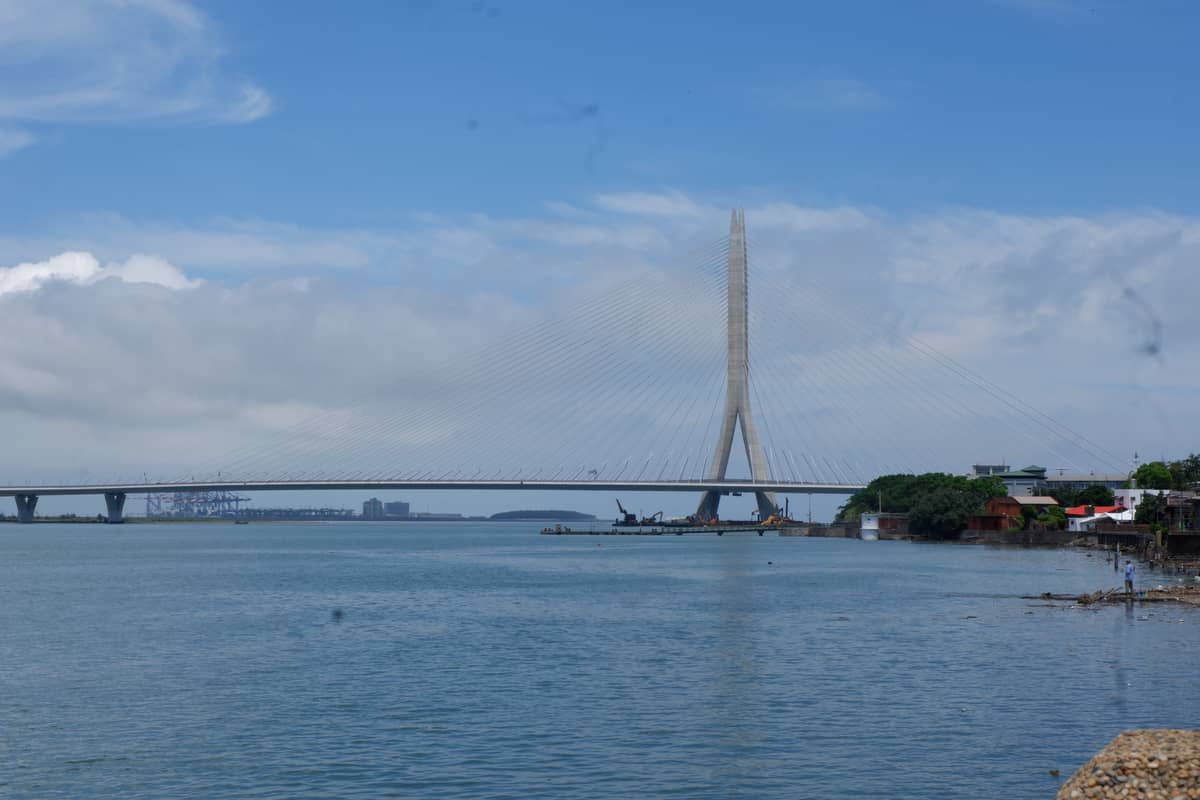
Located across the Tamsui River estuary, Danjiang Bridge connects Tamsui and Bali in New Taipei City. Designed by Zaha Hadid Architects, the bridge opened to traffic in May 2026.
Its approximately 200-meter-high sculptural mast and 450-meter main span make it an unmistakable addition to the Tamsui skyline. It is also recognized as the world's longest single-tower asymmetric cable-stayed bridge.
The design takes inspiration from the famous Tamsui sunset and the movements of dancers from Taiwan's Cloud Gate Dance Theatre, giving the massive structure a surprisingly graceful appearance.
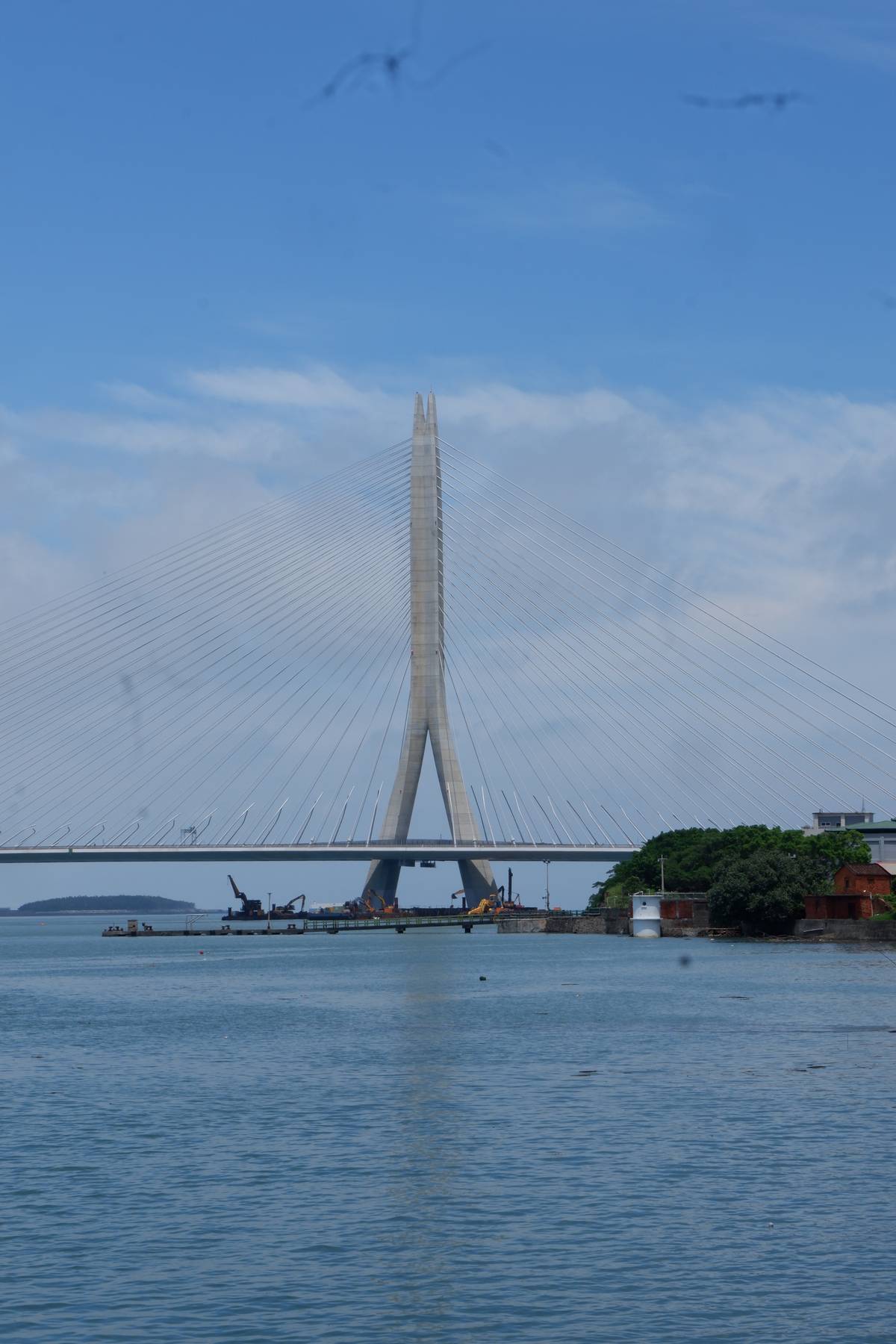
From the surrounding area, visitors can take in wide views of the Tamsui River estuary and the coastline. Around sunset, the bridge becomes particularly striking as the changing light casts a warm glow across the water.
Fuyou Temple
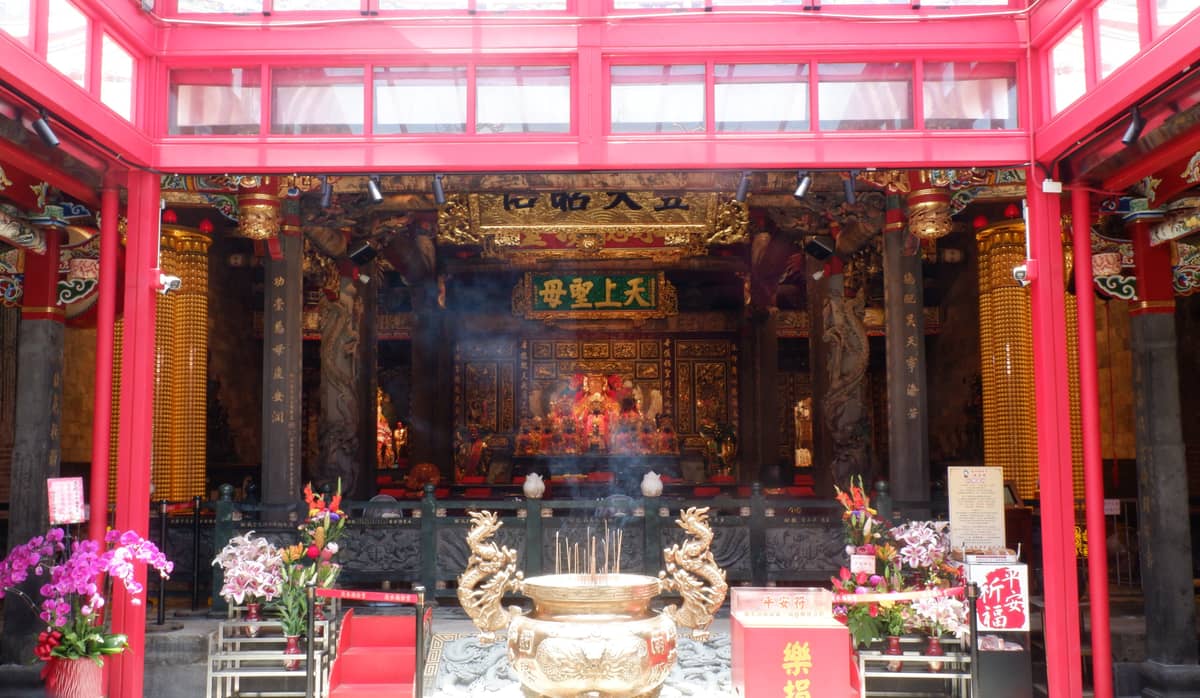
Take a few more steps and you'll find Fuyou Temple, also known as Tamsui Mazu Fuyou Temple.
Located along Zhongzheng Road near Tamsui Old Street, the temple is more than 200 years old and is dedicated to Mazu, the sea goddess widely worshipped across Taiwan.
The temple's history is closely tied to Tamsui's past as a port and trading community, when the waterfront was a major center of commerce and movement.
Look closely and you'll find traditional roof decorations, old stone and brick details, intricate carvings and historic markers that offer a glimpse into Tamsui's past.
It is easy to walk past such places while chasing the next attraction. But slowing down for a few minutes can sometimes tell you more about a place than a checklist of tourist spots ever could.
Tamsui Old Street
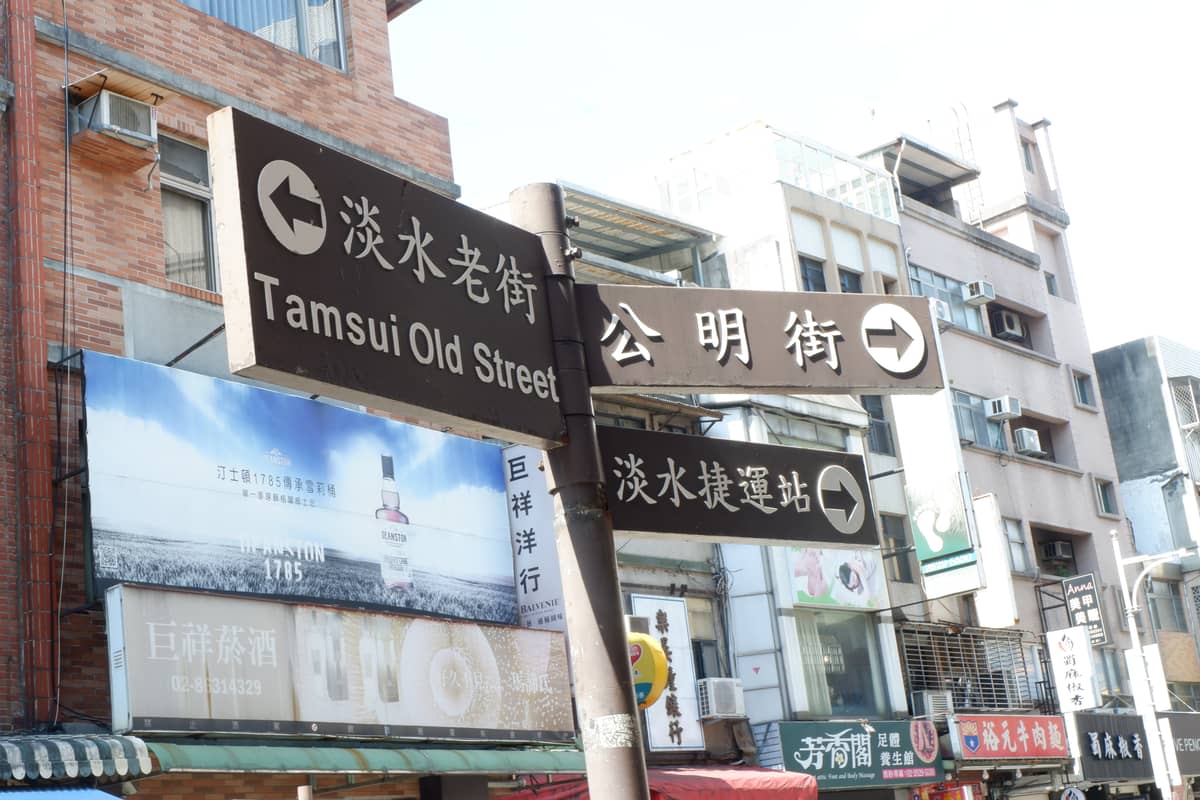
And if you're counting your steps, keep going.
A short walk from the MRT station leads to the busy and colorful Tamsui Old Street, where history and food come together.
The area is known for local favorites such as Ah-Gei, fish ball soup, fish crisps and iron eggs, along with plenty of other snacks to try while walking along the riverside.
And yes, save some room.
There are milk teas, peanut ice cream rolls and other street treats waiting around the next corner. The best way to experience the area is to skip the idea of a proper meal and simply graze your way through it.
But Tamsui Old Street is more than a food stop.
Its location near the river and old commercial district gives visitors a feel for how Tamsui developed as an important port community. Walk a little farther from the busiest sections and the atmosphere changes. The river opens up, the crowds thin and the pace slows.
If you are looking for a place to sit by the water, clear your head and simply enjoy some time alone, this is one of those places where you don't need much of a plan.
National Railway Museum
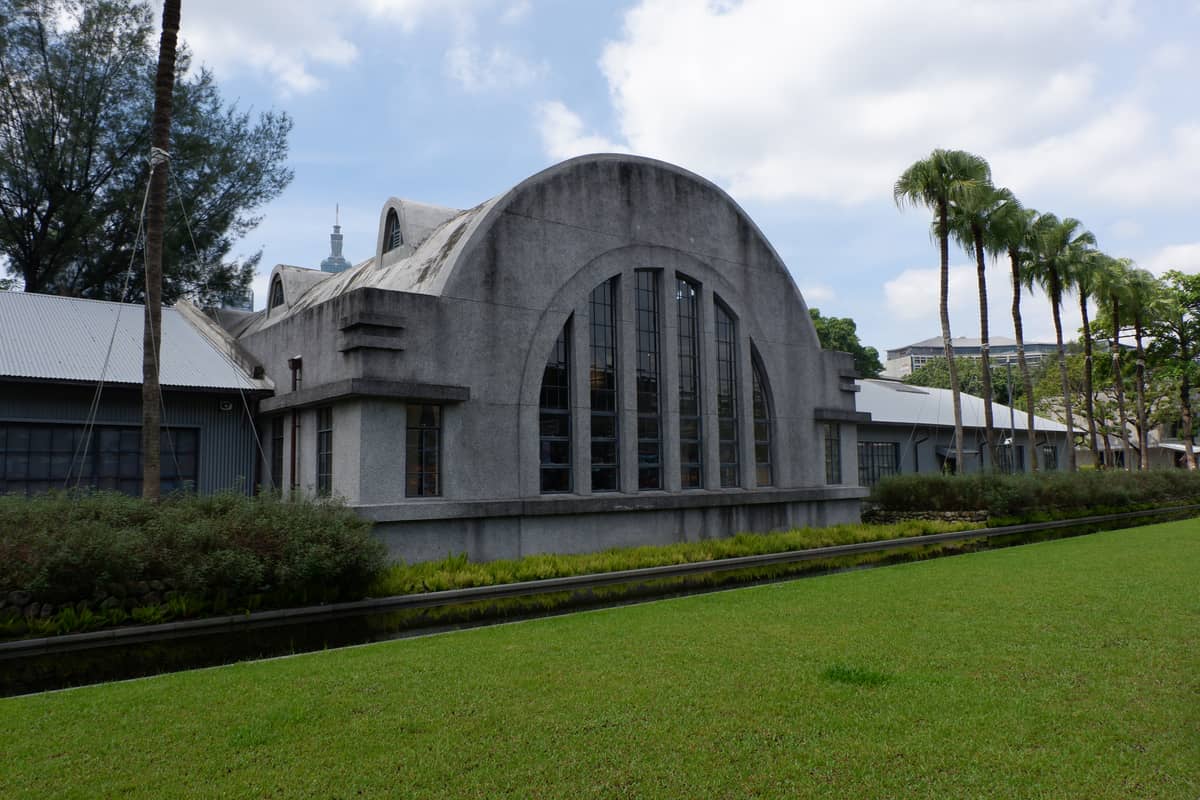
If you're the type who wants to know more about a place beyond its tourist attractions, the National Railway Museum is worth a visit.
Located in the former Taipei Railway Workshop, the museum preserves a major part of Taiwan's railway history. The site was designated a national monument in 2015, and its first phase opened to the public in July 2025 following years of restoration.
Inside, visitors can see restored railway buildings and workshops, including the former bathhouse and other spaces connected to the railway workers who once operated the facility.
For me, this is one way to understand Taiwan beyond its landmarks — through the transportation system that helped connect and develop the island. After all, one of the easiest ways to understand modern Taiwan is to look at how its people moved.
Songshan Cultural and Creative Park
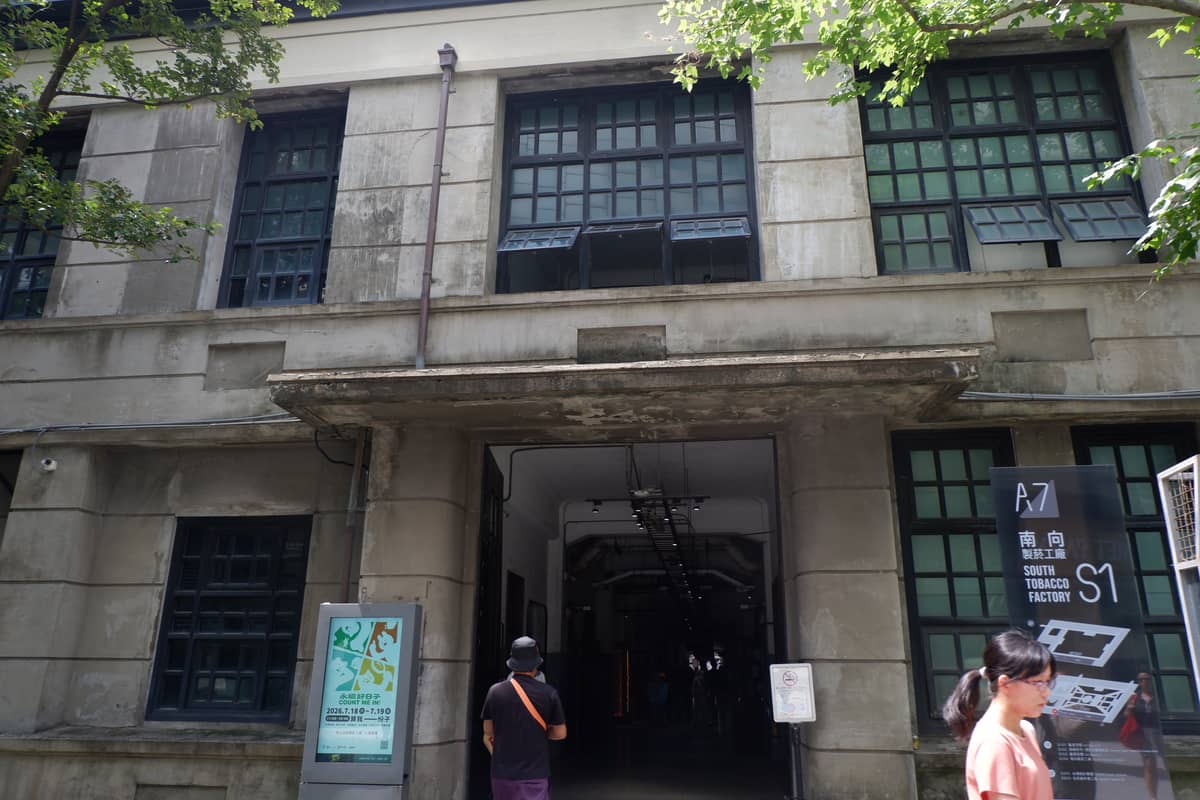
Since you're already in the area, make a stop at Songshan Cultural and Creative Park.
Once a tobacco factory, the complex has since been transformed into a creative space for exhibitions, shops, events, local designers and cultural activities.
This was one of my favorites during the trip.
For those who are into art, design and anik-anik, you'll probably enjoy wandering around. There are shops selling everything from stickers and stationery to clothes, jewelry, plants and other locally made products.
It reminded me a little of the creative side of Escolta — the kind of place where you can spend an hour browsing things you never planned on buying.
And yes, you might still end up buying something.
Eslite Spectrum Songyan
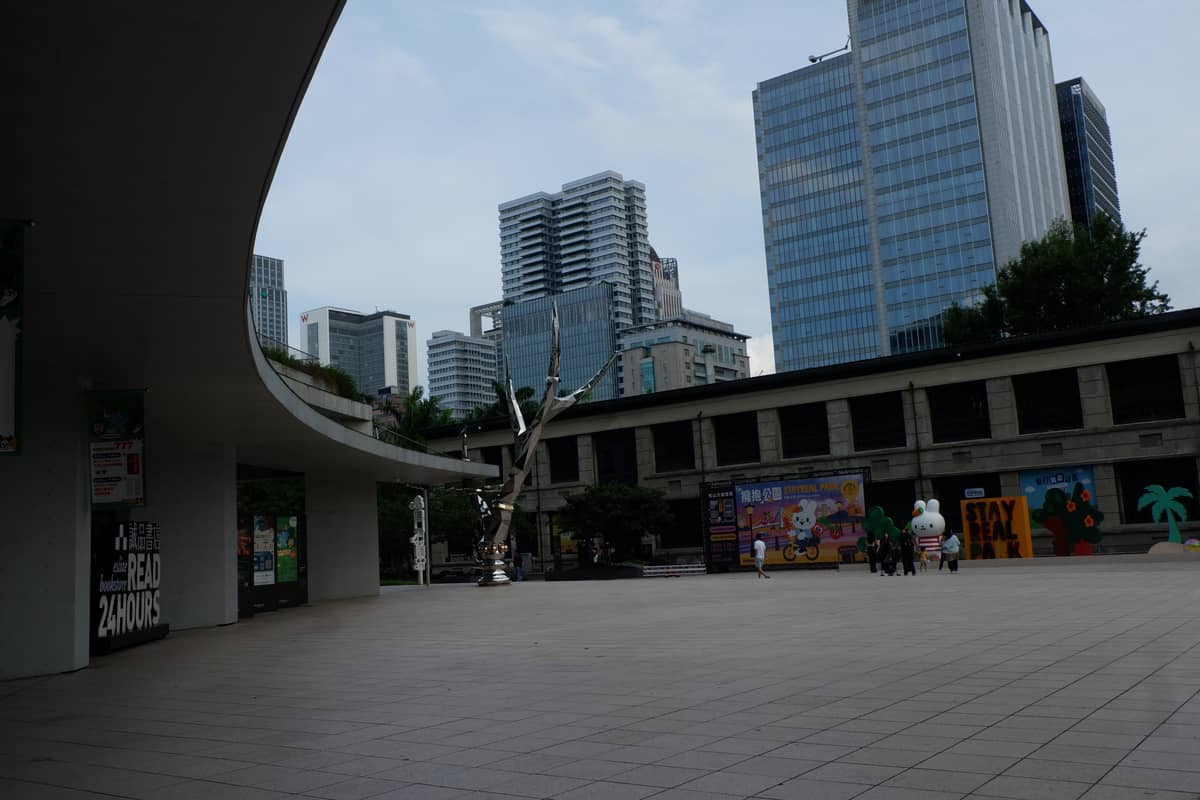
Just nearby is Eslite Spectrum Songyan.
More than a bookstore, the space brings together books, music, design, crafts, food and lifestyle products. It is another good stop if you want to see Taiwan's creative side or look for locally designed products and souvenirs that are a little different from the usual tourist finds.
Even if you don't buy anything, it's worth spending some time simply browsing.
Dihua Street
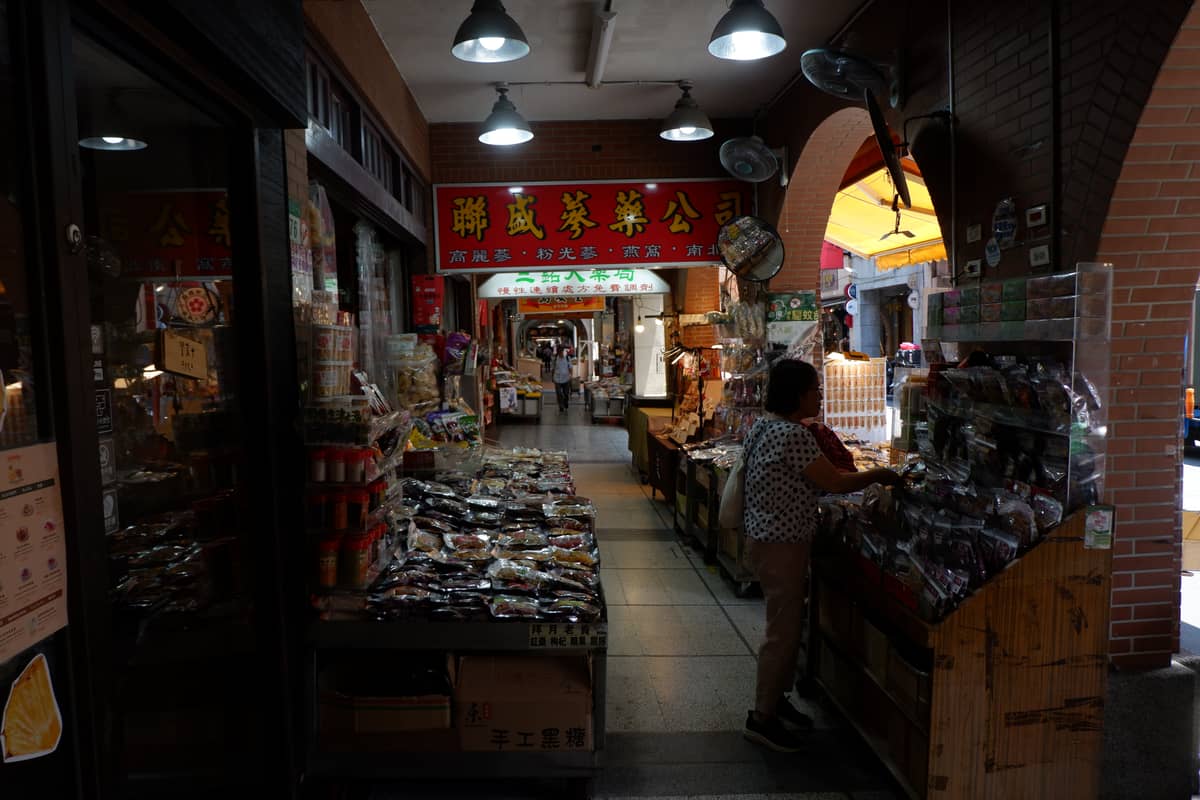
If you still haven't had enough of Taiwan's history, head to Dihua Street in Dadaocheng.
Dihua Street is one of Taipei's oldest commercial areas, with a history stretching back to the 19th century. The street remains known for traditional shops selling dried goods, tea, Chinese medicine, textiles and food products.
Walking through it reminded me of Binondo, Ongpin and Divisoria — familiar in its density, energy and sheer variety of things being sold.
There are stores packed with products, from food and cooking supplies to textiles and other everyday goods.
The old buildings are another reason to visit. Walk slowly and look up. Behind the colorful signs and busy storefronts are historic facades that tell part of the story of Taipei's commercial past.
Dihua Street is best experienced without rushing.
National Chiang Kai-Shek Memorial Hall
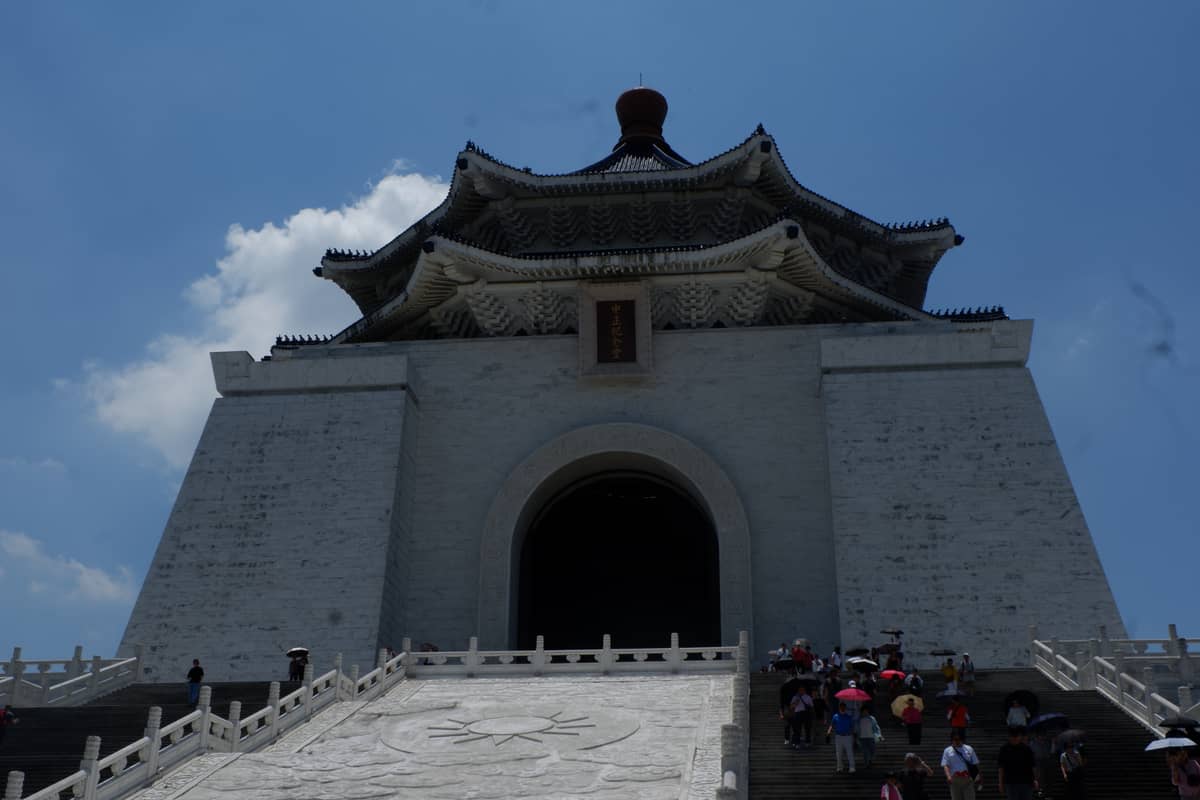
And, of course, a Taiwan trip would not be complete without a picture of this iconic white-and-blue structure: the National Chiang Kai-shek Memorial Hall.
Chiang Kai-shek was a soldier and statesman who headed the Nationalist government in China from 1928 to 1949 and later led the Chinese Nationalist government in exile on Taiwan. He relocated the Republic of China government to Taiwan in 1949 after losing the Chinese Civil War.
His rule in Taiwan was followed by a 38-year period of martial law, commonly associated with the White Terror, while his government also oversaw the foundations of Taiwan's postwar economic development and defense.
The memorial hall is one of Taipei's most recognizable sights. But beyond the photos, the complex offers a window into Taiwan's complicated political history and the enduring legacy of Chiang Kai-shek.
Inside the complex is a museum, along with the famous bronze statue of Chiang Kai-shek. Visitors can also watch the ceremonial changing of the guard.
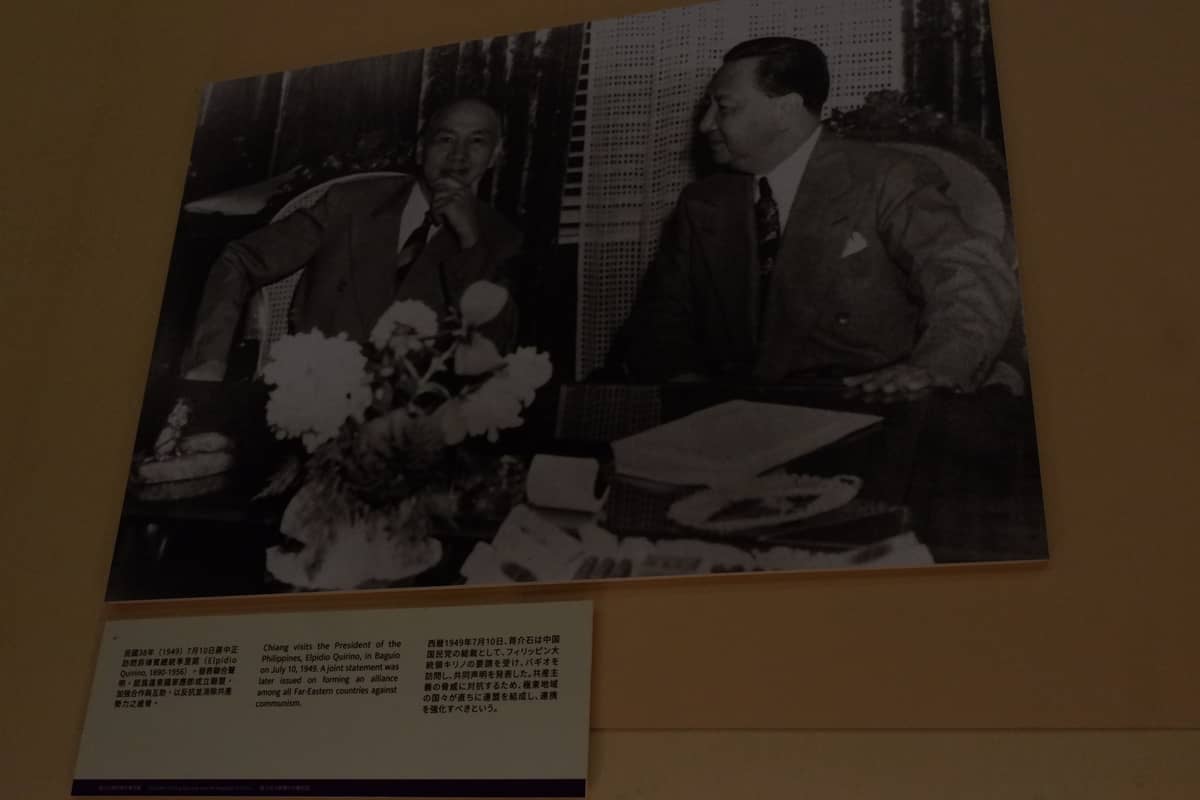
There is also a Philippine connection to Chiang's history.
In July 1949, Chiang met then-President Elpidio Quirino in Baguio for talks on Philippine-Chinese relations and regional affairs. It is a small connection in a much larger history, but one that makes the visit feel a little closer to home.
Maokong Gondola
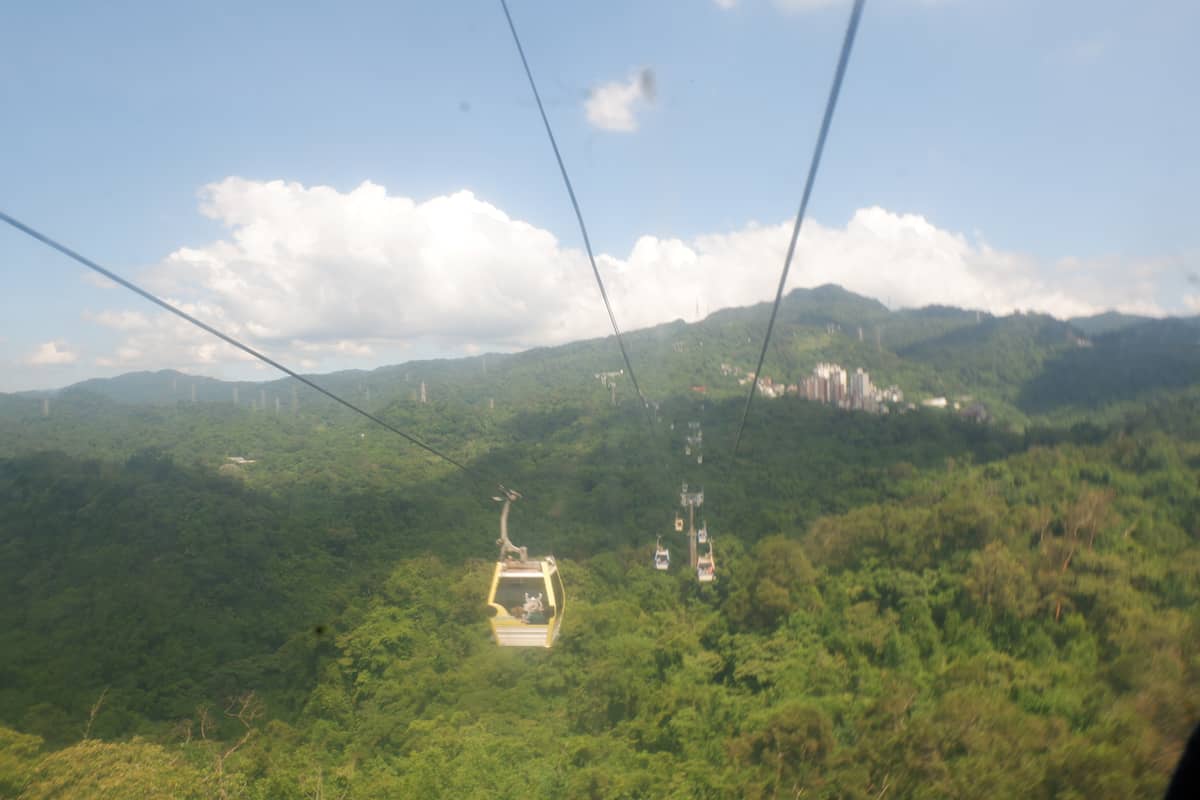
And for a bonus trip, take the Maokong Gondola.
If you want to see Taipei from above, this is one ride worth taking.
The 4.03-kilometer gondola connects Taipei Zoo to Maokong, passing through Zhinan Temple. The ride takes around 20 to 30 minutes and offers views of Taipei, its surrounding hills and the area's tea plantations.
Once you reach Maokong, you'll find tea houses and plantations — a much quieter side of Taipei compared with the busy streets below.
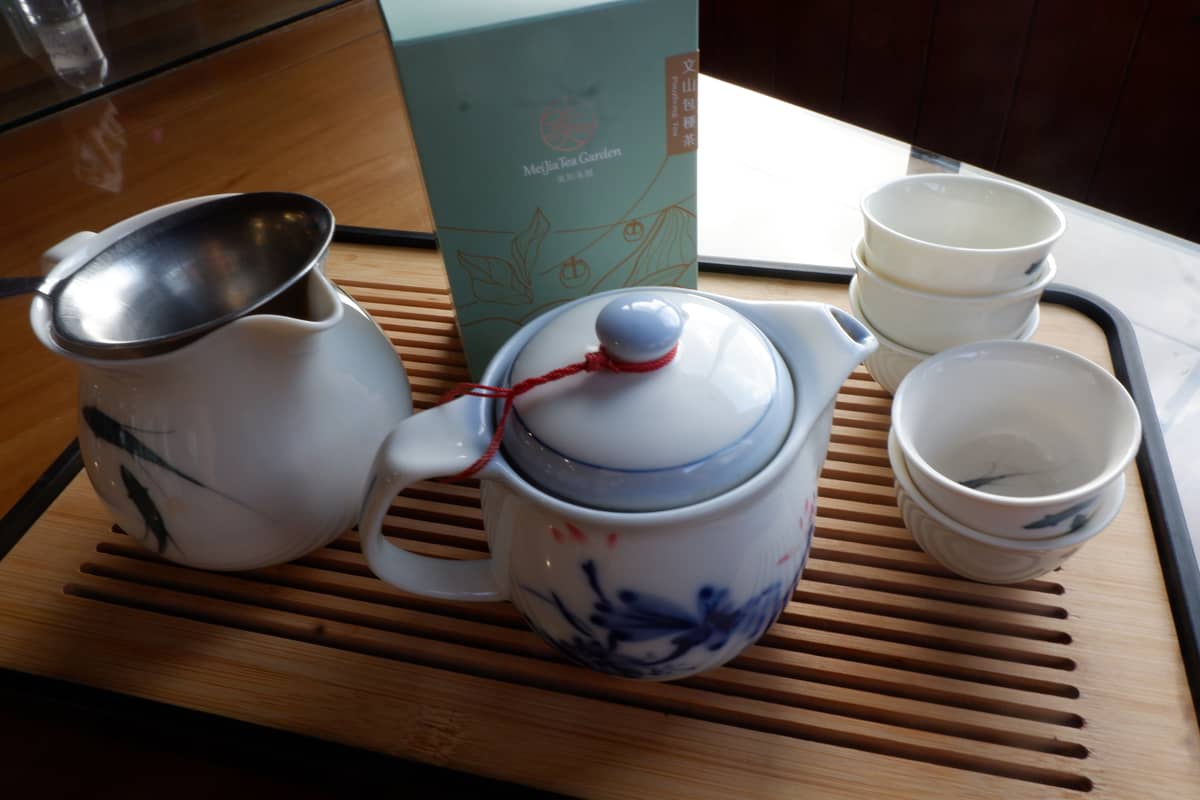
It is a good place to slow down after days of walking through the city. Sit down for a cup of tea, enjoy the mountain views and watch Taipei stretch out below you.
One thing to remember: the gondola cabins are ventilated but not fully air-conditioned, so dress lightly, especially during warmer days.
Take the long way
For first-time Filipino travelers, Taiwan offers a little bit of everything without making the trip feel complicated.
You can learn about its history in the morning, eat your way through an old street in the afternoon, browse local art and design shops, and end the day surrounded by tea-covered mountains.
And you don't always need to spend much to do it.
Sometimes, you just need to walk.