
Mill to meal: Preparing for uncertainty
Ultimately, the strength of the food supply chain is measured not only by how much it produces in favorable conditions, but also by how well it responds when those conditions change.


Food security is often discussed in terms of harvests and prices, but the journey from farm to table depends on a much larger system. Feed production, livestock farming, processing and distribution all play a role in keeping food available, especially as climate risks and global economic pressures threaten supply chains.
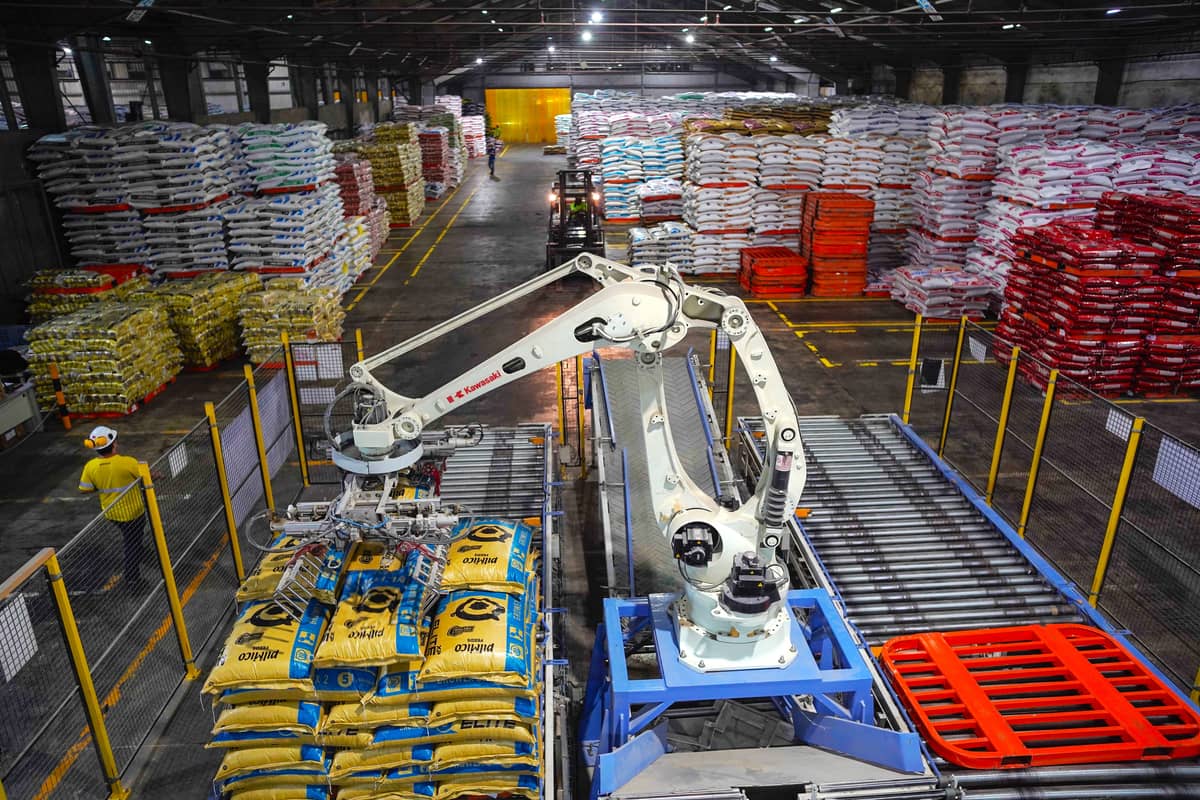
LOCAL production and industry collaboration help strengthen food supply chains and ensure reliable delivery.
PHOTOGRAPHS COURTESY OF ABOITIZ FOOD
In the Philippines, the possibility of another El Niño episode is putting that system under renewed scrutiny. The effects of prolonged dry conditions can extend beyond farms, influencing production costs, livestock operations and the price consumers eventually pay for food.
Department of Science and Technology–Philippine Atmospheric, Geophysical and Astronomical Services Administration (DoST-PAGASA) has warned that El Niño conditions could persist into early 2027. Previous weather-related disruptions have also highlighted how vulnerable agricultural communities can be. Reported losses and damage to agriculture have reached millions of pesos, while hundreds of thousands of people have been affected by climate-related events.
Preparing for these disruptions means looking beyond immediate supply needs for food producers. It also requires strengthening local production capacity, improving operational planning and building closer coordination across the food value chain.
Aboitiz Foods, which operates across eight countries, is among the companies looking at how supply chain resilience can help manage the effects of changing weather patterns and global market shifts.
The challenge is not limited to climate. Rising production costs and international market pressures can also affect the prices of feed ingredients and other essential inputs. For hog raisers, these pressures can add to the difficulties of maintaining operations while navigating changes in farmgate prices.
Investments in local facilities are one way to address some of these vulnerabilities. Aboitiz Foods has announced plans for a feed mill at West Cebu Estate in Balamban, Cebu, complementing its existing feed mill in Iligan. The company is also relaunching a meat-cutting plant in Butuan, expanding its local processing capacity.
Such investments point to the importance of having production and processing facilities closer to the markets they serve. While local capacity cannot eliminate exposure to global disruptions, it can help create more options for sourcing, production and distribution when conditions change.
The broader issue is how different parts of the food system can work together when unexpected pressures arise. Farmers and livestock raisers need dependable access to inputs, processors need a consistent supply of raw materials, and distributors must keep products moving to markets.
Coordination across these stages can help identify potential bottlenecks earlier and support more informed decisions about production and inventory. It also underscores why food security cannot rest on the efforts of a single industry or company.
As climate uncertainty and global economic pressures continue to test food systems, resilience will depend on more than increasing output. It will require sustained investment, careful planning and cooperation among the people and businesses responsible for bringing food from production sites to consumers.
Ultimately, the strength of the food supply chain is measured not only by how much it produces in favorable conditions, but also by how well it responds when those conditions change.