
A DIFFERENT PACE IN KUALA LUMPUR
What stood out was how Malaysia developed its infrastructure without losing the charm of its attractions.


KUALA Lumpur’s modern skyline rises behind the historic Sultan Abdul Samad Jamek Mosque, reflecting the city’s blend of heritage and development.
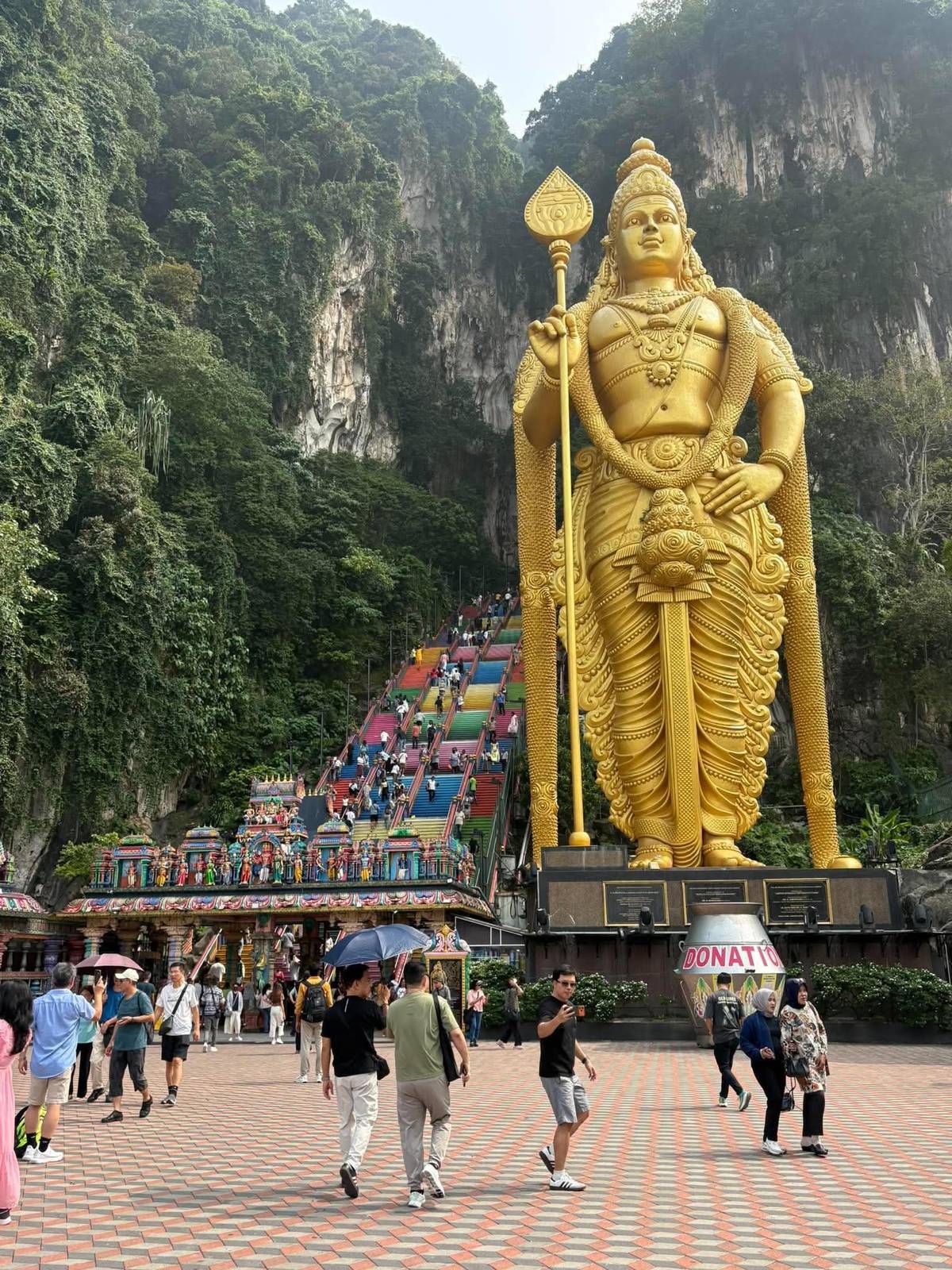
THE towering golden statue of Lord Murugan welcomes visitors to Batu Caves, one of Malaysia’s most iconic cultural and religious attractions.
By the time I stepped out for my morning run, Kuala Lumpur was already wide awake. Cars were filling the roads and commuters were heading out, as if the city had gotten a head start on the day. I have always believed one of the best ways to explore a new place is to run through it. Not because I am good at directions (I am not), but because it gives me an excuse to wander without a strict itinerary.
The city’s modern buildings and infrastructure offered a glimpse of Malaysia’s economic progress, and the comparison with Metro Manila was hard to ignore. Of course, busy roads do not necessarily mean a stronger economy; we have enough traffic back home to know that. But it makes you wonder how much more the Philippines could accomplish with better infrastructure and more consistent planning.
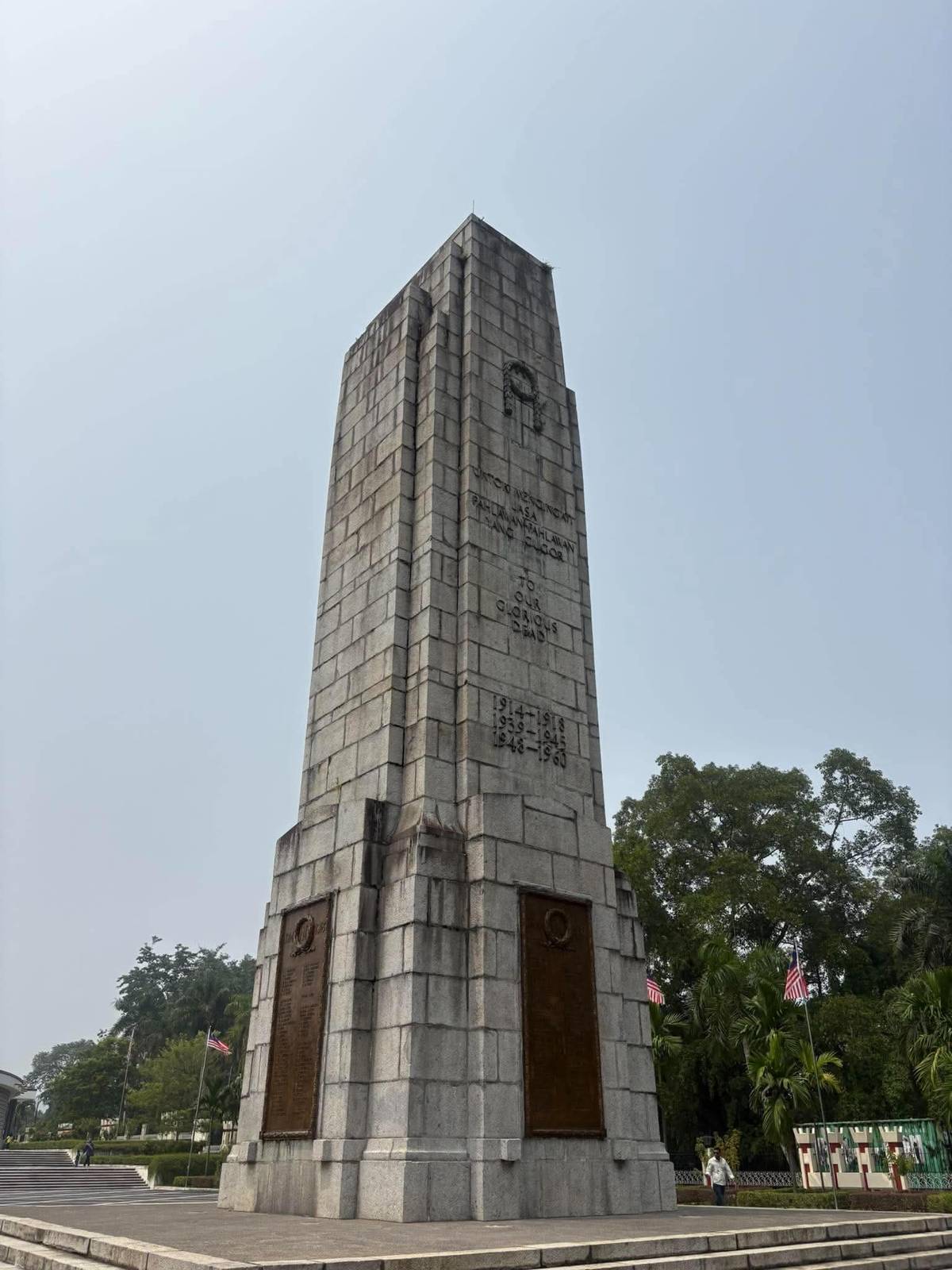
NATIONAL Monument (Tugu Negara) stands as a tribute to Malaysia’s history and national heritage.
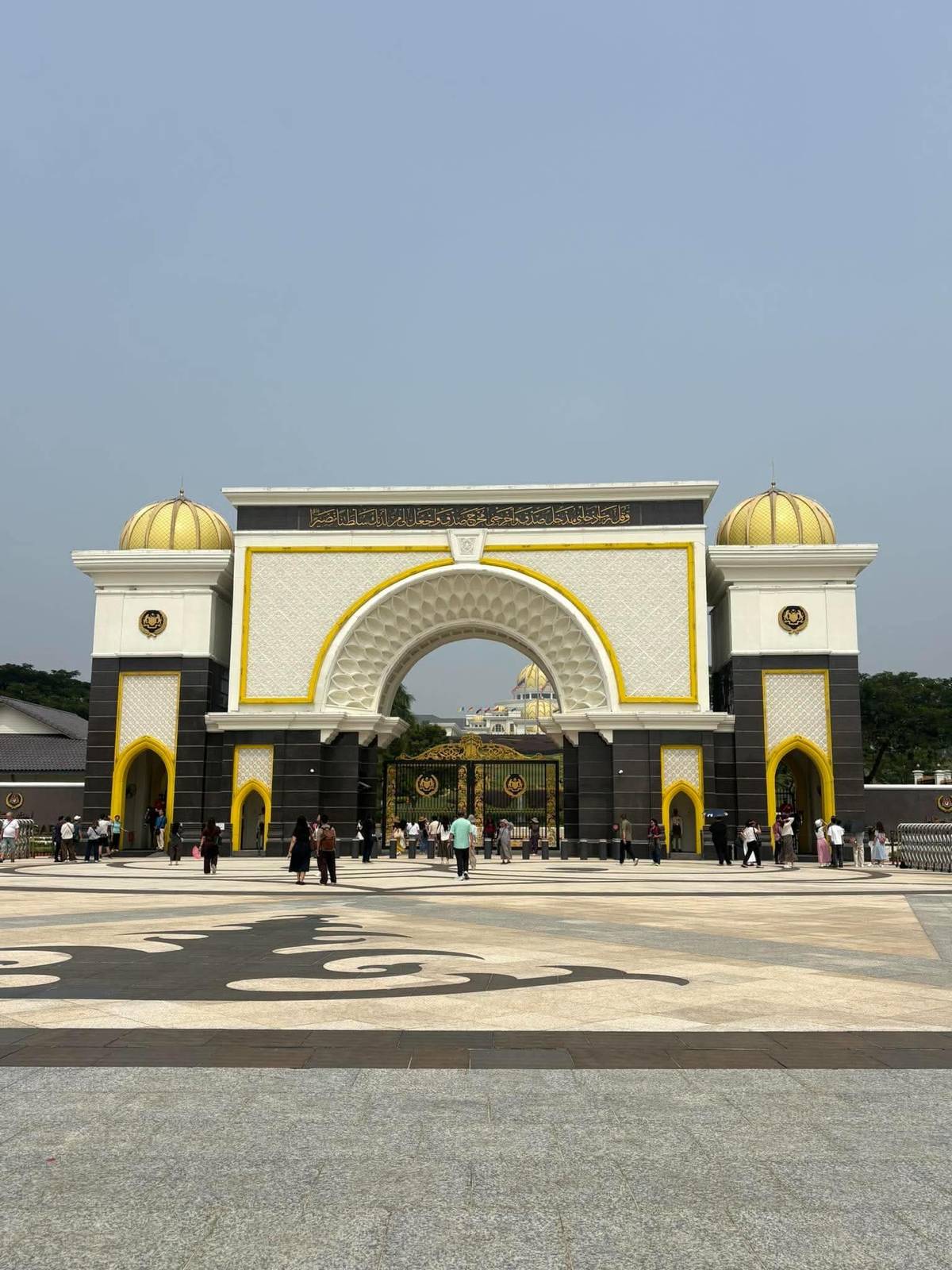
ISTANA Negara, Malaysia’s National Palace, is among Kuala Lumpur’s notable landmarks.
Business, borders and cigarettes
My visit was actually a work assignment. I joined fellow Filipino journalists for discussions with Japan Tobacco International (JTI) on the illicit tobacco trade across Southeast Asia, where the Philippines has become one of the primary destination markets for smuggled cigarettes.
Industry data showed illicit tobacco incidence reached 26.4 percent in early 2026, up from 23.8 percent in 2024. JTI is pushing for stronger regional export controls and coordinated enforcement, arguing that criminal networks operate across borders while regulations remain confined to individual countries. Malaysia is a major transshipment point, while maritime routes leave the southern Philippines vulnerable.
Taking something home
Fortunately, the trip was not all conference rooms and cigarettes. What stood out was how Malaysia developed its infrastructure without losing the charm of its attractions. Batu Caves looked almost exactly as I remembered it from two years ago, and the kaya toast at Oriental Kopi tasted just as good.
Tourism is not simply about beautiful places; accessibility, convenience, and preserving what makes a destination special matter just as much. For the Philippines, that is a lesson worth considering.
I came for work, but left wanting to return as a tourist. And Malaysia seems to have figured out what makes a destination worth the trip.
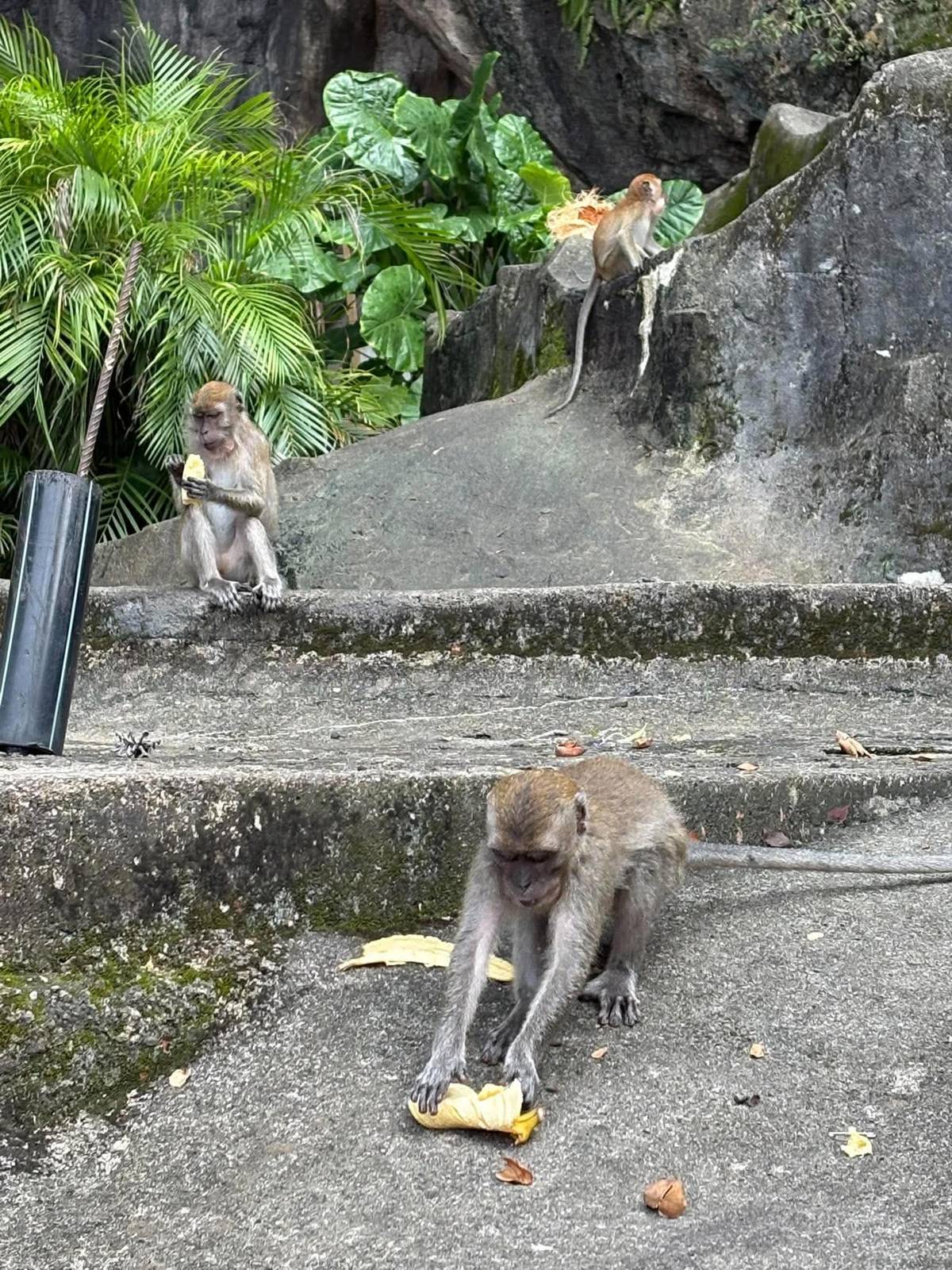
MONKEYS enjoy bananas at Batu Caves, where wildlife has become a familiar sight for tourists.