
Climate resilience moves up with a homebuying checklist
For prospective homeowners, evaluating a property should go beyond its design, amenities and location.


`For Filipino homebuyers, choosing a property often comes down to location, price, accessibility and amenities. But as extreme weather events become a growing concern, another consideration is gaining importance: how well a home and its surrounding community can manage climate-related risks.
Recent extreme weather events, including heavy rainfall and flooding, have highlighted the need for developments to consider climate resilience. In late August, the enhanced southwest monsoon brought heavy rains across parts of Luzon, while the Philippine Atmospheric, Geophysical and Astronomical Services Administration (PAGASA) reported that La Mesa Dam had exceeded its overflow elevation. These events underscored the risks of flooding, landslides and disruptions to infrastructure.
Planning for flood risks
One of the first considerations in climate-resilient development is the property’s exposure to flooding. Site elevation, drainage systems and proximity to waterways can influence how a development manages heavy rainfall.
Developments may incorporate measures such as improved drainage systems and stormwater detention ponds to help manage excess rainwater. However, these features should be assessed alongside the area’s overall flood risk and the condition of nearby waterways.
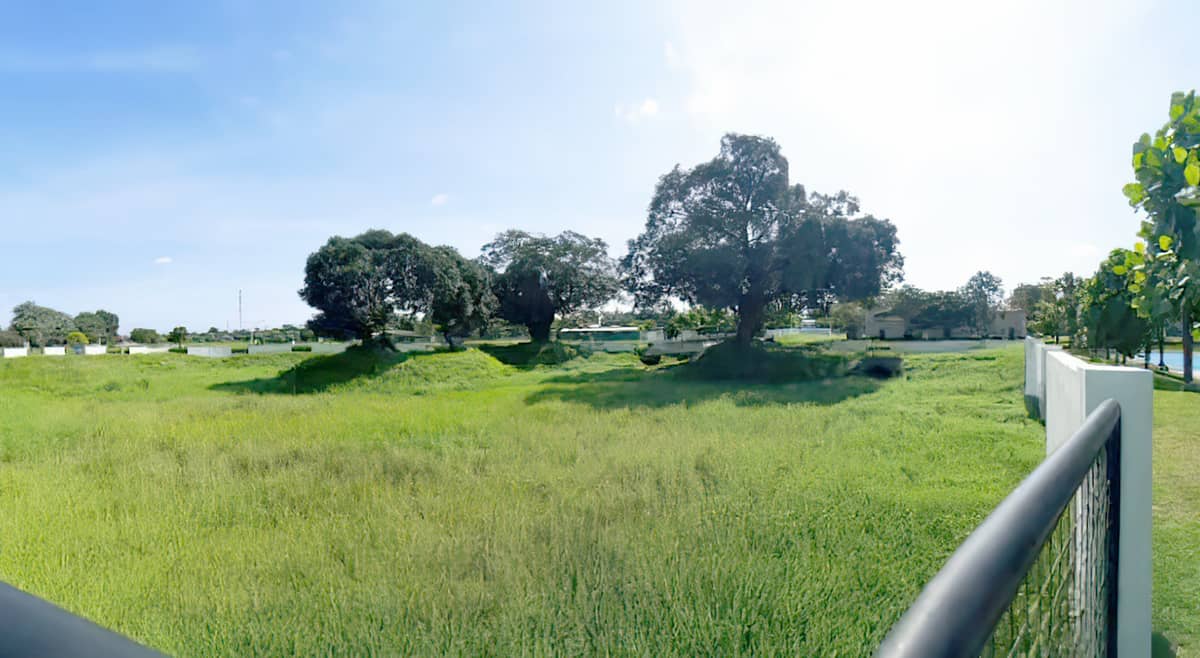
THOUGHTFUL site planning, stormwater management and heat-reduction measures can contribute to more resilient residential developments.
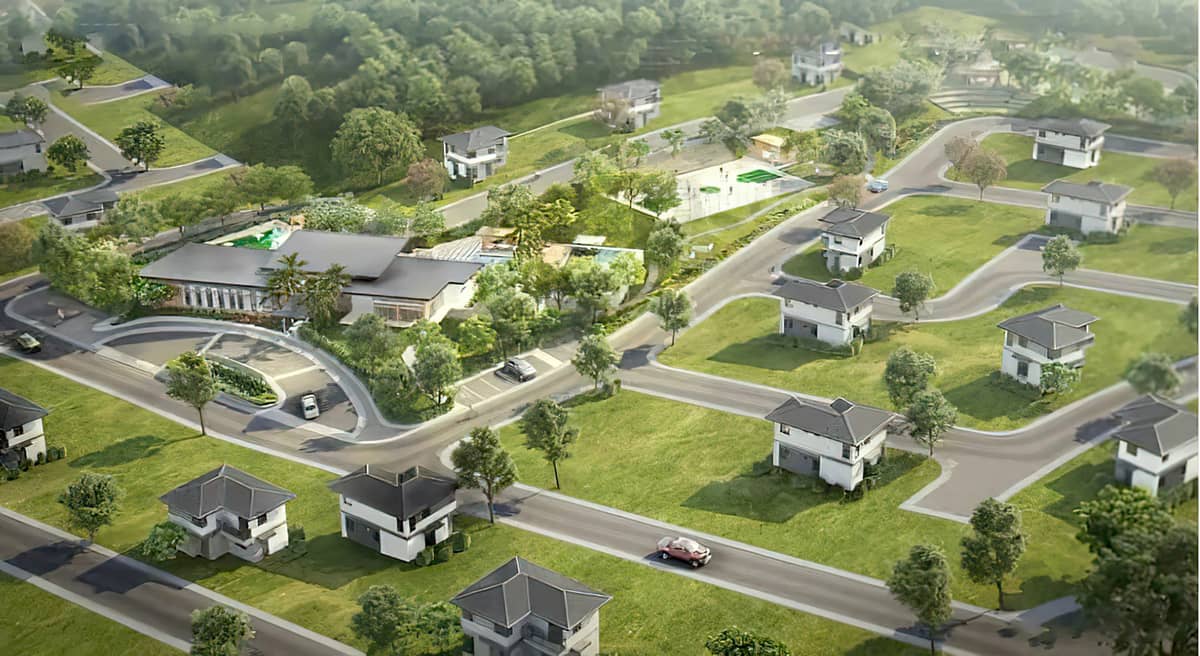
CLIMATE resilience is becoming an important consideration for Filipino homebuyers, with flood risks, drainage systems and the surrounding environment influencing property decisions.
Addressing heat and water use
Climate resilience also involves preparing for rising temperatures and managing water resources. Features such as rainwater harvesting systems, low-flow fixtures and low-solar-heat-gain glass can help reduce water consumption and limit heat entering indoor spaces.
These measures may improve comfort and resource efficiency, particularly as households face hotter conditions and greater demand for water and electricity.
What homebuyers should check
For prospective homeowners, evaluating a property should go beyond its design, amenities and location. Buyers can also look into the area’s flood history, drainage systems and stormwater management facilities.
Other factors to consider include indoor heat, water use, maintenance requirements and the accessibility of roads during heavy rainfall. Checking flood hazard maps and identifying nearby waterways or low-lying areas can also provide a clearer picture of potential risks.
No development is entirely protected from extreme weather. However, understanding how a property and its surrounding community address climate-related risks can help homebuyers make more informed decisions.