
DSWD assures ‘Jerry Can’ water filtration safety

The Department of Social Welfare and Development (DSWD) will roll out portable “Jerry Can” water filtration kits in the coming days to assist communities facing potable water shortages amid anticipated El Niño dry conditions, officials announced Wednesday.
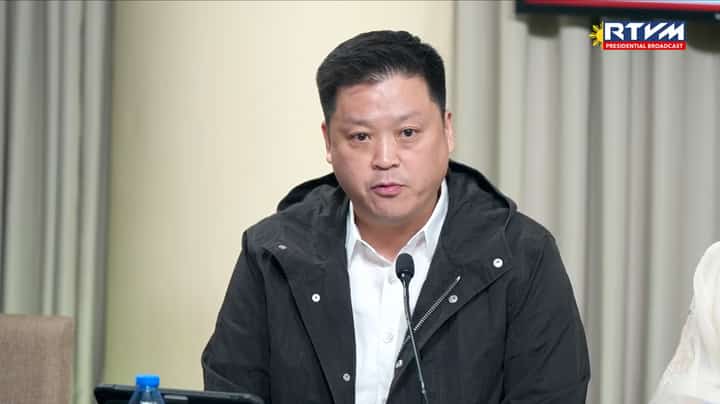
DSWD Secretary Rex Gatchalian assured the public during a Palace briefing that the water produced by the filtration units is completely safe for consumption, citing Department of Health (DoH) certification confirming that the membrane filter achieves a 99.9999 percent removal rate for harmful contaminants.
“This is what we have been using for the past several years, since 2024, during disasters,” Gatchalian said. “This is the Jerry can or pail that comes with a filter.”
The filtration kits — manufactured by Waves for Water Organization Inc. and certified by the Food and Drug Administration — utilize 0.1-micron hollow fiber membrane filters capable of removing bacteria associated with cholera, salmonella, E. coli and coliform contamination. The package includes a bucket adapter assembly, drill bit, filter hanger, cleaning plunger, and instructional materials.
Testing confirmed that filtered water samples comply with the physical, chemical, and microbiological standards of the Philippine National Standards for Drinking Water.
The social welfare department previously deployed the systems during disaster responses in Batanes following a 2024 typhoon, in Davao Oriental in 2025, and during water shortages in Cebu City.
President Ferdinand Marcos Jr. personally tested and drank water processed through the system during a demonstration at the DSWD Luzon Disaster Resource Center on 18 July 2025.
Palace Press Officer Claire Castro also drank filtered water during Wednesday’s briefing to demonstrate system safety.
Gatchalian stressed that regular maintenance is critical to keeping the membrane operational. The agency is scheduling barangay-level activation teams to conduct hands-on demonstrations and teach community members how to flush and clean the filter units properly.
The portable filtration units form part of a broader government water security strategy. Gatchalian cited that the agency maintains approximately 5,000 small water-impounding projects nationwide, primarily located in geographically isolated and disadvantaged areas.
Built through 20-day cash-for-work community projects, the impounding sites collect water for local consumption, feeding programs, and agricultural use.
The agency has also established communal rainwater collecting depots in Barangay Maloma in San Felipe, Zambales, and Barangay Binbinaca in Mayantoc, Tarlac, with additional installations planned for Tondo, Manila, and other municipalities declared under a state of calamity.