
SC junks contempt case vs Sotto
Sotto questioned the SC ruling, claiming, among other things, that the ponente was unfamiliar with congressional rules and that the decision effectively amended the Constitution.
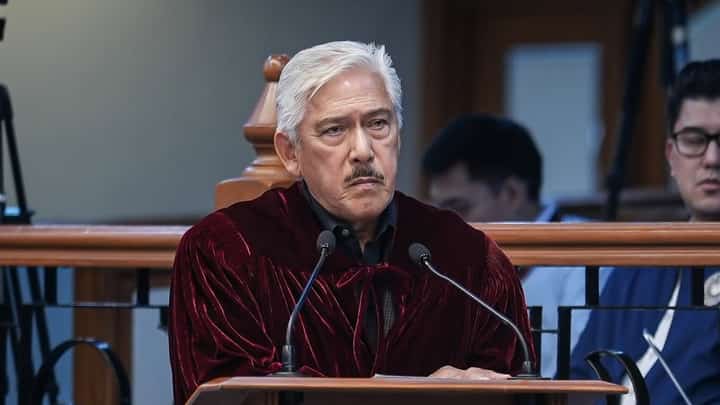
The Supreme Court (SC) has dismissed an indirect contempt petition against Senetor Vicente “Tito” Sotto III over his public criticism of the Court’s ruling on the impeachment case against Vice President Sara Duterte, holding that his remarks were protected by the constitutional freedoms of speech and expression.
In a decision penned by Senior Associate Justice Marvic M.V.F. Leonen dated 7 October 2026, the SC en banc reaffirmed that political speech enjoys the highest degree of constitutional protection.
The case stemmed from Sotto’s statements in media interviews and social media posts after the Court issued its ruling in Duterte v House of Representatives, which involved earlier impeachment proceedings against Duterte.
Sotto questioned the SC ruling, claiming, among other things, that the ponente was unfamiliar with congressional rules and that the decision effectively amended the Constitution.
Lawyer Manuelito delos Reyes Luna and others subsequently asked the Court to cite Sotto for indirect contempt, arguing that his remarks disrespected the Judiciary and could undermine public confidence in the courts.
The SC rejected the petition, saying Sotto’s statements did not constitute indirect contempt under Section 3(d), Rule 71 of the Rules of Court, which covers conduct that impedes or obstructs the administration of justice.
Fair comment
The Court stressed that when alleged contempt involves speech, judges must weigh the constitutional protection of free expression and consider not only what was said but also “how, when, where it was expressed, and who spoke it.”
Citing Tolentino v Heydarian, also penned by Leonen, the Court reiterated that the Judiciary, like the other branches of government, remains open to public scrutiny and criticism.
Under the doctrine of fair comment, statements concerning public officials performing their duties do not automatically become punishable simply because they are false, harsh or offensive.
“The guarantee of free speech was enacted to protect not only polite speech, but even in its most unsophisticated form,” the Court said.
It emphasized that “political speech is accorded the greatest degree of protection” because it directly exercises the people’s sovereignty.
The Court said it must examine the nature and content of the speech, the speaker’s identity, the medium used, and the message’s likely and actual effects when determining whether expression falls outside constitutional protection.
Marketplace of ideas
It also acknowledged that social media algorithms can amplify content based on users’ preferences and biases, strip statements of context, and spread false or misleading information. The Court observed that ideas circulating in today’s marketplace of ideas may therefore be distorted or based on falsehoods.
The SC said it was adopting a more egalitarian approach to evaluating restrictions on free speech, recognizing that people have unequal opportunities to make their voices heard, both in traditional forums and online.
Applying the incitement test, which it described as the strictest among the tests discussed in its decision, the Court examined whether Sotto’s statements intentionally incited the public to distrust the Judiciary’s independence or obstruct the administration of justice, and whether those effects were likely and imminent under the circumstances.