
Objections routine in trial — legal ace
‘Even if the evidence was presented during the trial, if it is not admitted during the formal offer, the Senate cannot consider it when it makes its decision.’
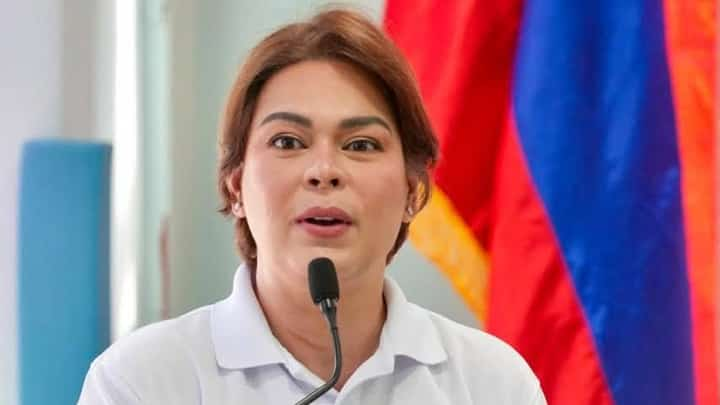
Objections raised by the defense against the prosecution’s evidence in the ongoing impeachment trial of Vice President Sara Duterte are a standard part of the legal process and do not necessarily mean the evidence will be excluded, a constitutional expert said.
Paolo Tamase, associate dean and assistant professor at the University of the Philippines College of Law, said the Senate impeachment court has the sole authority to determine the admissibility of evidence presented before senators can weigh it in deciding whether to convict or acquit the Vice President.
“The formal offer of evidence is the stage in which the prosecution seeks the admission of documents and other evidence presented during the trial, while the defense is allowed to challenge their admissibility,” Tamase explained.
He noted that the defense may object to evidence on two core grounds: a clear lack of relevance to the active impeachment charges, or a failure to comply with the established rules of evidence.
Tamase emphasized the absolute necessity of this procedure, stating, “Even if the evidence was presented during the trial, if it is not admitted during the formal offer, the Senate cannot consider it when it makes its decision.”
Vigorous opposition expected
Consequently, he noted that Duterte’s defense counsel is expected to vigorously oppose as much of the prosecution’s evidence as possible to fulfill their duty to provide competent representation.
Tamase cautioned the public and observers against misinterpreting these standard legal maneuvers, noting that objections should not be viewed as definitive proof that the evidence is invalid or that the defense’s underlying arguments are automatically meritorious.
The legal expert openly questioned a specific procedural argument raised by the defense, which contended that certain evidence should be completely excluded simply because it was not explicitly attached to the original impeachment complaint filed before the House of Representatives.
The defense characterized the prosecution’s presentation of such evidence as a “fishing expedition.”
But Tamase said the argument was difficult to reconcile with the defense’s earlier complaint that the House proceedings had effectively become a mini-trial.
He said impeachment proceedings are not identical to ordinary criminal cases and are intended to allow the presentation of evidence relevant to the charges.
“Precisely, this is the opportunity to present all the available evidence,” he said.