
Iloilo’s Casa de España restored
The restored 1926 clubhouse, designed by Tomas Mapua and now an events venue and museum, offers a glimpse into the city’s past through historical displays and objects recovered from a century-old time capsule.

ILOILO City’s restored Casa de España, a 1926 clubhouse designed by Tomas Mapua, now serves as an events venue and museum.
Photographs courtesy of Edgar Allan M. Sembrano
After lying in ruins for four decades, the historic Casa de España in Iloilo City, the capital of the province of Iloilo in Western Visayas, has reopened as an events venue and museum, offering a glimpse into the city’s social life nearly a century ago.
Completed in 1926, the building traces its origins to the Casino Español de Iloilo, a civic organization of Spanish and other foreign residents. It fell into disuse in the 1980s before its restoration in 2024.
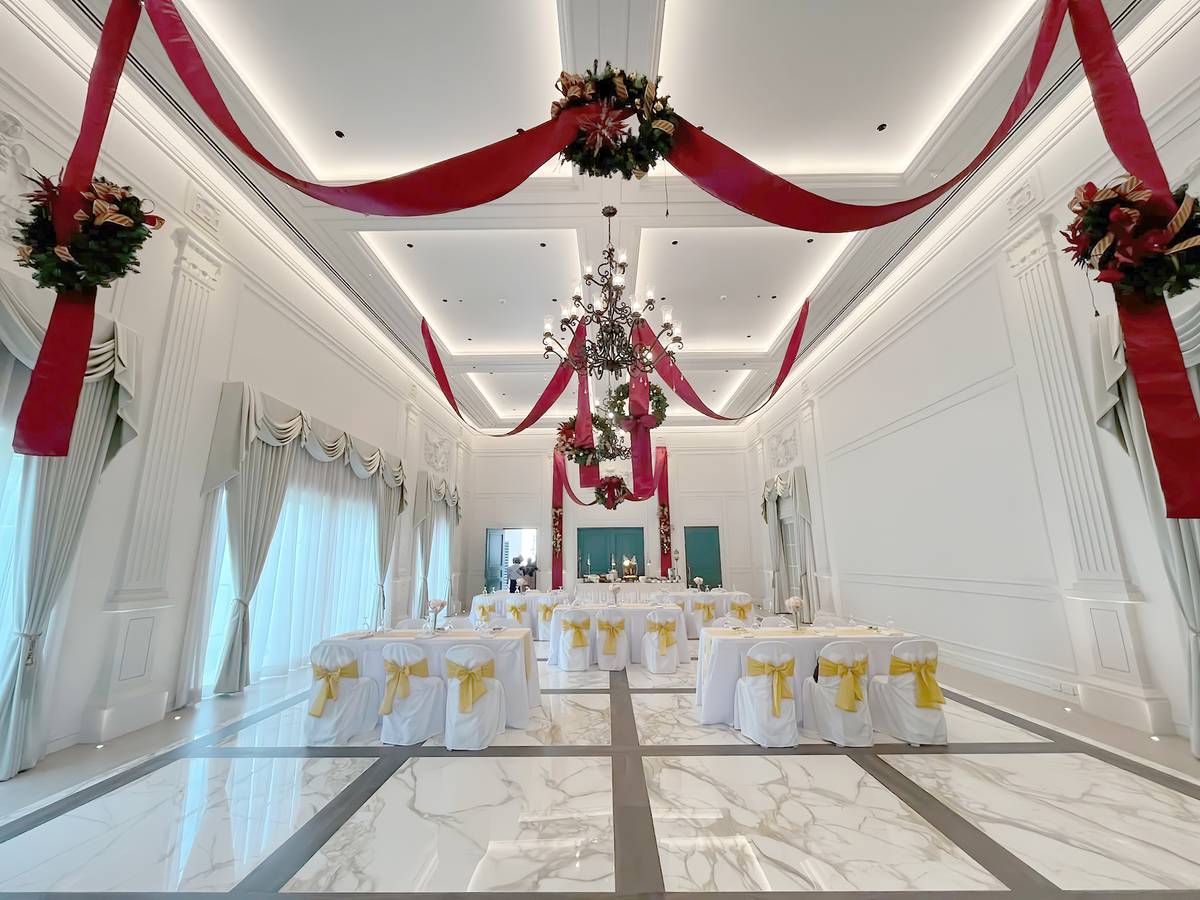
THE main hall of Casa de España, once a gathering place for Iloilo’s Spanish community.
The privately owned property reopened to the public on 27 November 2025, with a section converted into a museum. Its displays explore the building’s history, Iloilo’s economic and social landscape in the 1920s and the story of the Chan family, whose patriarch, Antonio, acquired the property in 1983.
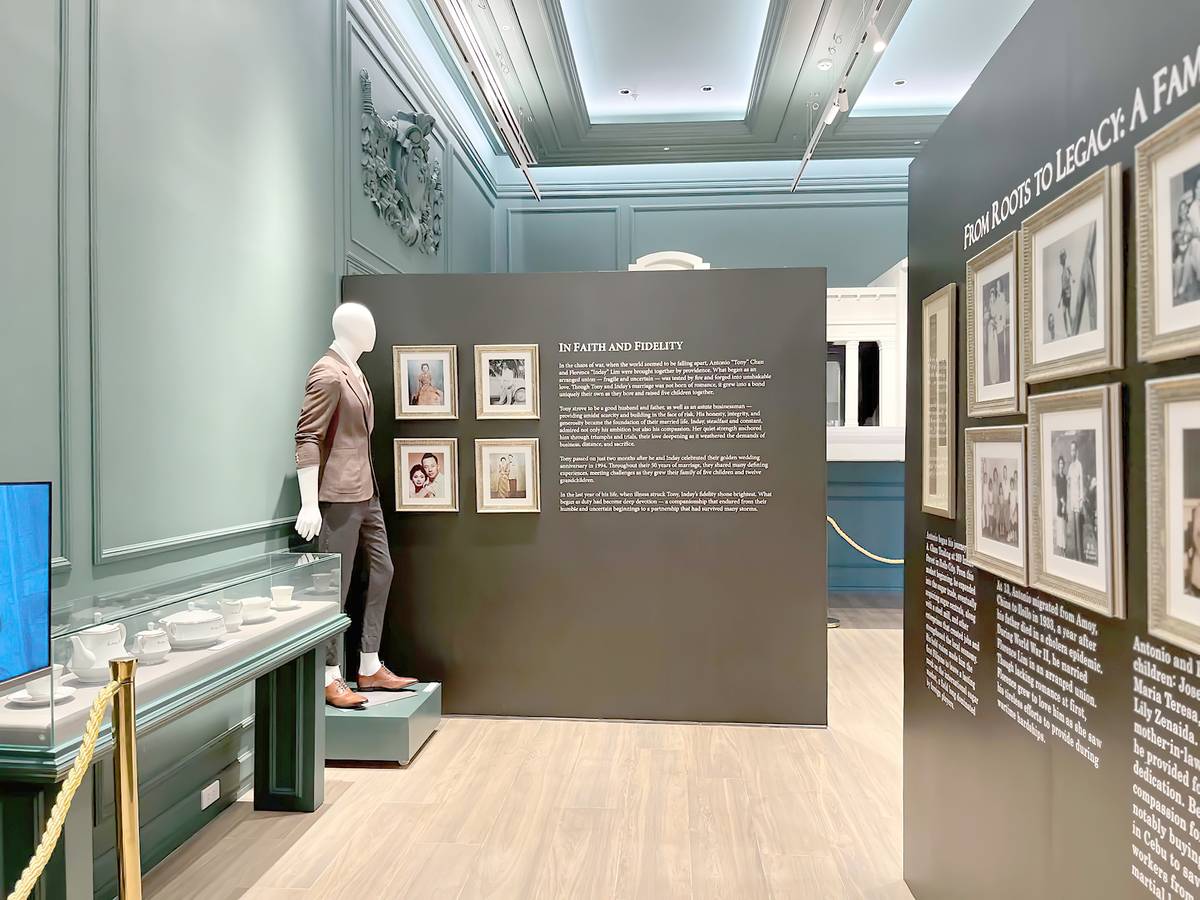
A MUSEUM section traces the story of the Chan family, whose patriarch, Antonio, purchased Casa de España in 1983.
Among the museum’s highlights are objects recovered from a time capsule discovered in 2024 during restoration work led by architect Racy Yusay. Copies of local newspapers dated 7, 8 and 9 June 1926 indicate that the capsule was buried in June that year.
The capsule contained newspapers, coins and the building’s architectural plans. The plans, however, did not survive nearly a century underground.
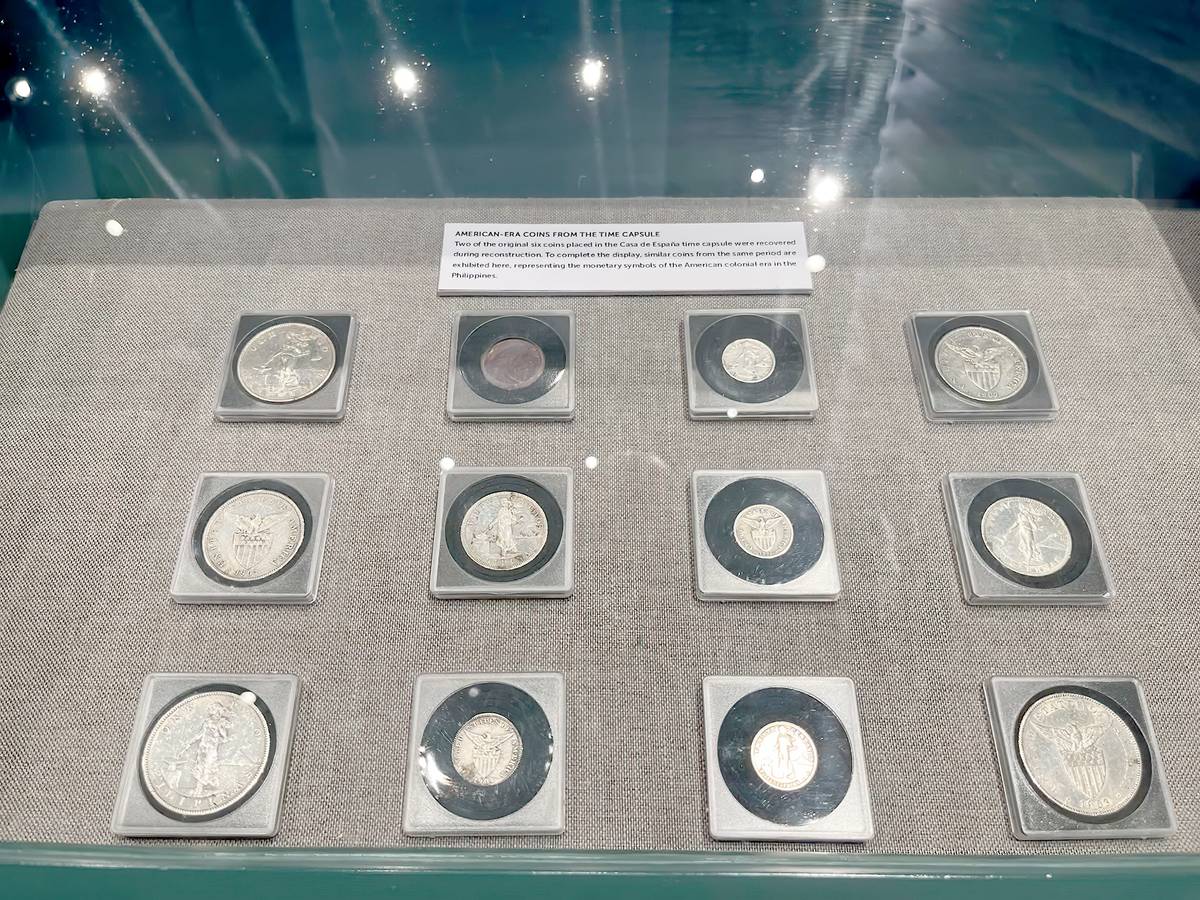
COINS recovered from Casa de España’s 1926 time capsule.
Another significant find was a notarial act dated 8 June 1926, listing 112 founding members, along with the officers and founders of Casa de España. The recovered documents are displayed in the museum, which also features a scale model of the building.
A clubhouse designed by Mapua
At the corner of Santo Rosario and Duran streets, Casa de España originally served as a clubhouse where Iloilo’s Spanish community gathered with friends and guests. Its architect was Tomas Mapua, the country’s first registered architect, whose other works include the Centro Escolar University building in San Miguel, the Nurses Home at the Philippine General Hospital in Ermita and the De La Salle University building in Malate, all in Manila.
On 6 October, the National Historical Commission of the Philippines (NHCP) unveiled a historical marker at Casa de España. The unveiling was attended by NHCP chair Regalado Trota Jose Jr. and executive director Carminda Arevalo; A. Chan Realty and Development Inc. chair Maria Teresa Chan and administrative manager Maria Teresa Lagunilla; former Tourism Secretary Narzalina Lim; and provincial information officer Nereo Lujan.
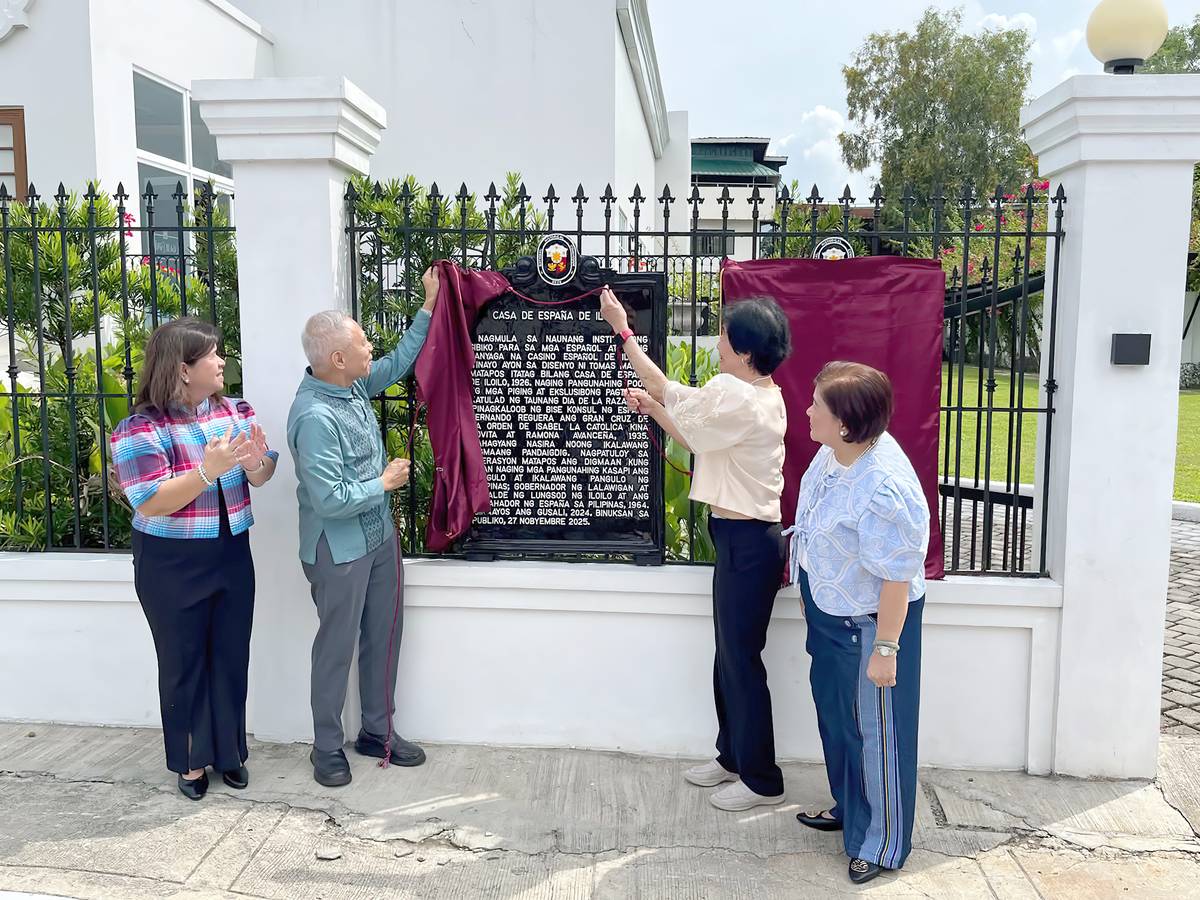
NHCP officials Regalado Trota Jose Jr. and Carminda Arevalo join Ma. Teresa Chan and Ma. Teresa Lagunilla of A. Chan Realty and Development Inc. at the historical marker unveiling.
Photographs courtesy of Edgar Allan M. Sembrano
A century of changing fortunes
According to Lujan, Casa de España de Iloilo Inc. was incorporated on 14 December 1922. Its clubhouse was built from 1924 to 1926, with Mapua as architect and H. O’Leary as builder.
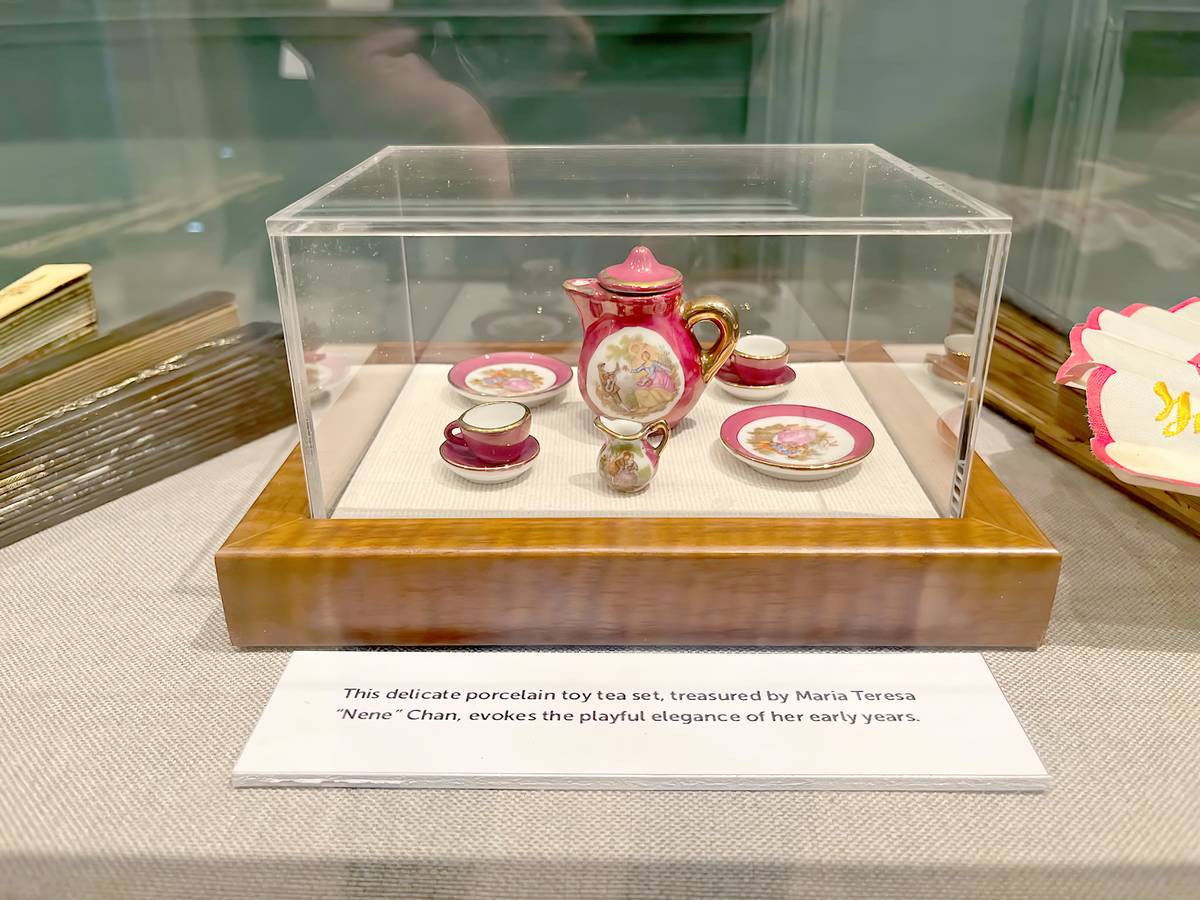
A MINIATURE porcelain tea set on display at the Casa de España museum.
The building hosted numerous social gatherings attended by prominent figures in Philippine politics and society. In 1935, Spanish vice consul Fernando Reguera conferred the Gran Cruz de la Orden de Isabel la Católica on Jovita and Ramona Avanceña there.
During World War II, Japanese forces occupied the building, which also served as a recreation center for American troops. It sustained partial damage during the war.
Membership and activities declined in the postwar years as foreign residents moved away from Iloilo. The property was leased to the Doran family and JBS Jimenez Brokerage from 1969 to 1974 before falling into disuse in the 1980s.
Antonio Chan purchased it in 1983. Decades later, his family, working with partners, restored the former clubhouse, returning it to use while opening its history to the public.