
Experience Japanese Standards of Care


Modern wellness extends beyond diet and physical activity. Diagnostic technology and early detection are changing how preventive medicine fits into daily healthcare management.
A healthy lifestyle often emphasizes visible daily habits: a balanced diet, regular exercise, adequate sleep and stress management. However, comprehensive wellness also requires monitoring internal health before symptoms manifest.
Preventive healthcare focuses on early detection. Rather than waiting for illness to interrupt daily routines, regular health screenings and medical assessments allow individuals to evaluate risk factors and make informed decisions about their long-term health.
In the Philippines, private facilities are expanding options for routine monitoring. Providers like Shinagawa Healthcare have introduced integrated diagnostic services that combine advanced imaging, specialized evaluations and outpatient care under one roof.
Expanding beyond specialized care
Originally focused on vision correction, Shinagawa expanded its operations in 2023 to include diagnostic and preventive services. The shift mirrors broader trends in the private healthcare sector aimed at providing consolidated medical services.
The model combines standardized clinical workflows with accessible outpatient service, offering diagnostic packages designed to streamline routine monitoring. For working professionals and families, centralized diagnostic hubs reduce the time and administrative burden associated with navigating separate clinics.
Integrating diagnostics into routine care
Annual health checkups are often delayed until symptoms demand attention. However, routine assessments offer baseline data that can highlight underlying health concerns before they progress.
Standard diagnostic packages typically encompass a range of evaluations, including digestive, cardiovascular, neurological and metabolic screenings, alongside allergy testing and specialized care for women. Clinical imaging provides structural assessments when requested by a physician, while nutrition programs offer dietary counseling.
Comprehensive monitoring relies on multi-point evaluations rather than single tests. Diagnostic schedules and screening protocols vary depending on age, medical background, family history and individual risk factors, requiring personalized guidance from medical professionals.
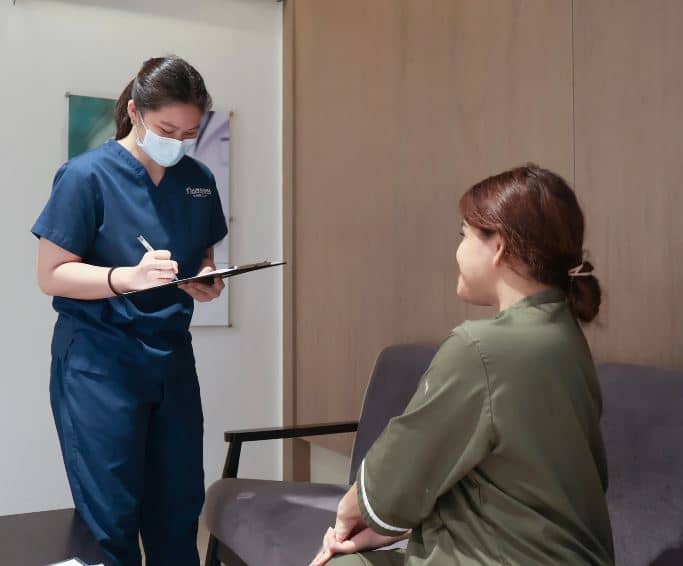
DISCOVER the benefits of preventive care to help you stay ahead in your health journey.
Photographs courtesy of Shinagawa
Role of technology in diagnostics
Modern preventive care relies heavily on advanced imaging systems to provide clear clinical insights. One of the facility’s latest innovations is the integration of specialized imaging technology into standard health assessments.
Among these tools is the Philips MR 5300 magnetic resonance imaging system. Shinagawa Healthcare does not publicly list a specific flat-rate price for an MRI scan using the system, as procedure costs vary depending on the specific body part and scan requirements.
Complementing this is the Fujifilm Supria 128 CT, a high-speed, whole-body computed tomography scanner built by Fujifilm Healthcare Corp. For internal procedures, the facility utilizes the Fujifilm ELUXEO Lite 6000 (EP-6000), a multi-LED endoscopic video processor and light source system designed for healthcare professionals.
MRI technology uses magnetic fields and radio waves to capture detailed images of soft tissues, while CT scans use X-rays to render cross-sectional images of internal structures. Endoscopic processors allow physicians to inspect gastrointestinal pathways directly.
These diagnostic tools serve to complement physician evaluations, aiding in early diagnosis and treatment planning. The selection of specific imaging procedures remains dependent on patient symptoms and clinical judgment.
Addressing barriers to preventive health
Healthcare needs vary significantly based on demographic factors. A younger adult managing a demanding work schedule requires a different screening strategy than an older patient monitoring chronic conditions.
A central challenge in preventive care remains accessibility. Factors such as cost, appointment scheduling and facility location frequently deter individuals from completing recommended screenings. Standardizing pricing and offering centralized services aim to reduce these obstacles, making routine checkups a more manageable aspect of personal health management.
Modern wellness extends beyond diet and physical activity. Diagnostic technology and early detection are changing how preventive medicine fits into daily healthcare management.
A healthy lifestyle often emphasizes visible daily habits: a balanced diet, regular exercise, adequate sleep and stress management. However, comprehensive wellness also requires monitoring internal health before symptoms manifest.
Preventive healthcare focuses on early detection. Rather than waiting for illness to interrupt daily routines, regular health screenings and medical assessments allow individuals to evaluate risk factors and make informed decisions about their long-term health.
In the Philippines, private facilities are expanding options for routine monitoring. Providers like Shinagawa Healthcare have introduced integrated diagnostic services that combine advanced imaging, specialized evaluations and outpatient care under one roof.
Expanding beyond specialized care
Originally focused on vision correction, Shinagawa expanded its operations in 2023 to include diagnostic and preventive services. The shift mirrors broader trends in the private healthcare sector aimed at providing consolidated medical services.
The model combines standardized clinical workflows with accessible outpatient service, offering diagnostic packages designed to streamline routine monitoring. For working professionals and families, centralized diagnostic hubs reduce the time and administrative burden associated with navigating separate clinics.
Integrating diagnostics into routine care
Annual health checkups are often delayed until symptoms demand attention. However, routine assessments offer baseline data that can highlight underlying health concerns before they progress.
Standard diagnostic packages typically encompass a range of evaluations, including digestive, cardiovascular, neurological and metabolic screenings, alongside allergy testing and specialized care for women. Clinical imaging provides structural assessments when requested by a physician, while nutrition programs offer dietary counseling.
Comprehensive monitoring relies on multi-point evaluations rather than single tests. Diagnostic schedules and screening protocols vary depending on age, medical background, family history and individual risk factors, requiring personalized guidance from medical professionals.
Role of technology in diagnostics
Modern preventive care relies heavily on advanced imaging systems to provide clear clinical insights. One of the facility’s latest innovations is the integration of specialized imaging technology into standard health assessments.
Among these tools is the Philips MR 5300 magnetic resonance imaging system. Shinagawa Healthcare does not publicly list a specific flat-rate price for an MRI scan using the system, as procedure costs vary depending on the specific body part and scan requirements.
Complementing this is the Fujifilm Supria 128 CT, a high-speed, whole-body computed tomography scanner built by Fujifilm Healthcare Corp. For internal procedures, the facility utilizes the Fujifilm ELUXEO Lite 6000 (EP-6000), a multi-LED endoscopic video processor and light source system designed for healthcare professionals.
MRI technology uses magnetic fields and radio waves to capture detailed images of soft tissues, while CT scans use X-rays to render cross-sectional images of internal structures. Endoscopic processors allow physicians to inspect gastrointestinal pathways directly.
These diagnostic tools serve to complement physician evaluations, aiding in early diagnosis and treatment planning. The selection of specific imaging procedures remains dependent on patient symptoms and clinical judgment.
Addressing barriers to preventive health
Healthcare needs vary significantly based on demographic factors. A younger adult managing a demanding work schedule requires a different screening strategy than an older patient monitoring chronic conditions.
A central challenge in preventive care remains accessibility. Factors such as cost, appointment scheduling and facility location frequently deter individuals from completing recommended screenings. Standardizing pricing and offering centralized services aim to reduce these obstacles, making routine checkups a more manageable aspect of personal health management.