
When trash talks back: Inside the story of Films for Peace finalist ‘Trash Talkers’
By bringing the lives of the decloggers into view, we hope the film creates a little more understanding — not only of the work they do, but also of the shared responsibility that connects us to it.
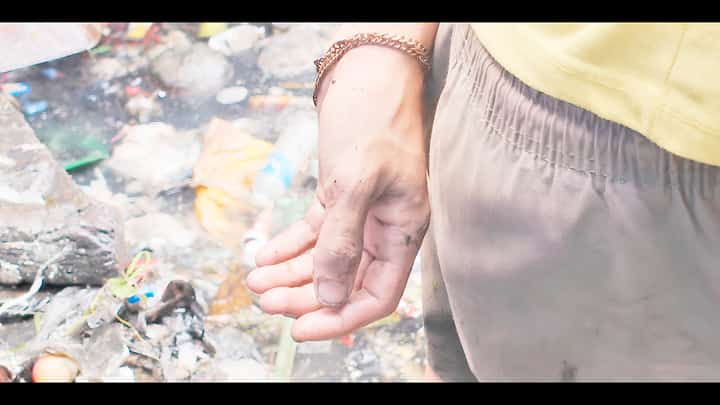
What if “trash talk” isn’t an insult, but a reality rooted in the murky waterways of Concepcion, Malabon?
The first time I stepped into Barangay Concepcion with my team, we already had an idea of the story we wanted to tell. Through our research, we learned about the barangay’s dirty creeks and flooded streets during heavy rains. We arrived for our fieldwork prepared to document a specific case. But things did not go according to plan.
Instead, we met three decloggers: Ronron, Jekjek and Bunso.
My team is Reelife Films, a group of five filmmakers from the University of Makati who came together as a thesis group for our Bachelor of Multimedia Arts major in Film. I’m Sarah, the film’s director and production manager, working alongside co-director and writer Angela Marie Espiritu, cinematographer and sound designer Ryan Columna, audio operator Lance Justin Bañas and colorist and music scorer Angelo Tamargo.
We went to Concepcion to make a documentary about clogged waterways. But the more time we spent with the decloggers, the more we realized that the story wasn’t really about the trash.
Day after day, they enter the same waterways and deal with the waste that accumulates there, under the houses and beneath the manholes, doing work that is often overlooked despite its importance to the safety of their community. It is a reality that many of us rarely witness, even though we are connected to its consequences.
The longer we stayed with them, the more we realized that waste is never really out of sight or out of mind. What we throw away does not simply disappear. It travels, accumulates, and eventually finds its way into someone else’s reality.
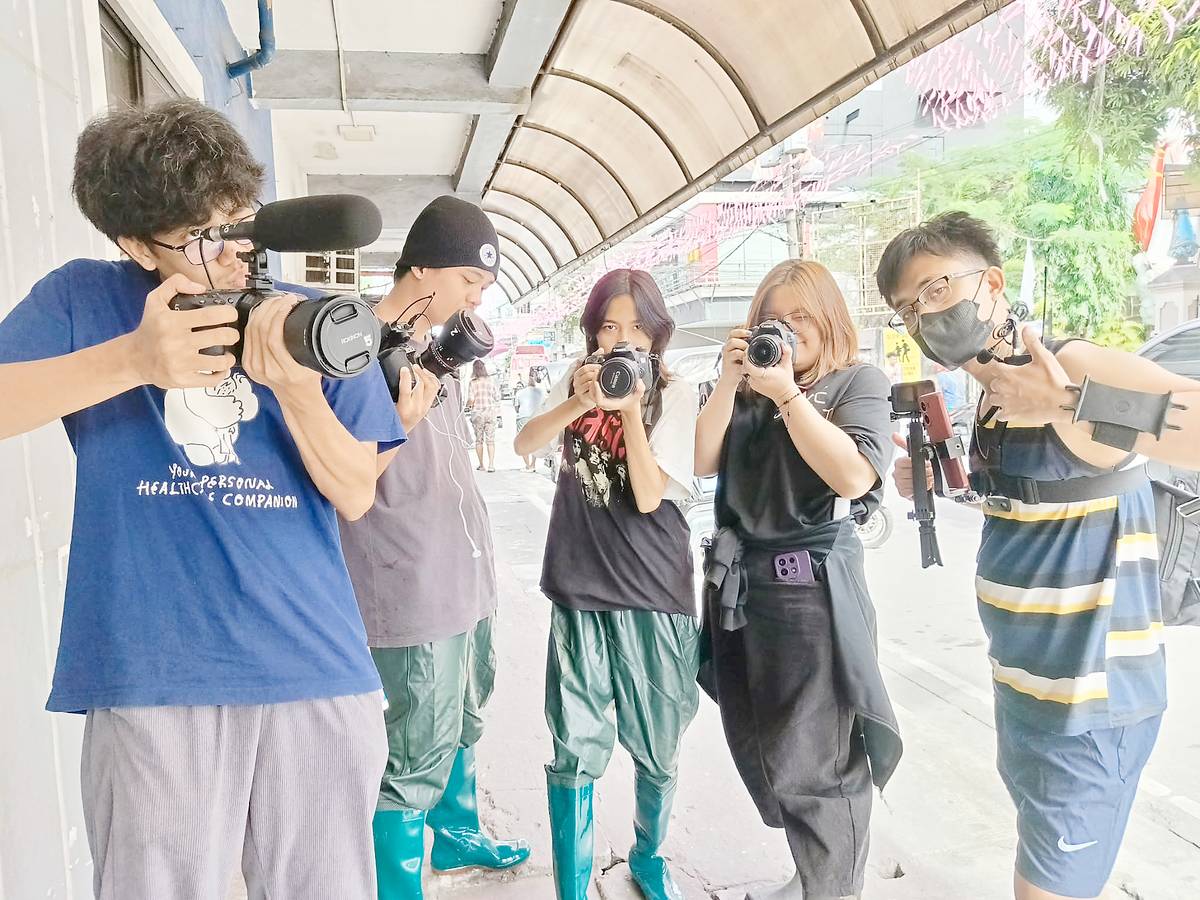
THE five-member filmmaking crew from the University of Makati, brought together by their Bachelor of Multimedia Arts (Film) thesis project.
Photographs by Sarah Silva for DAILY TRIBUNE
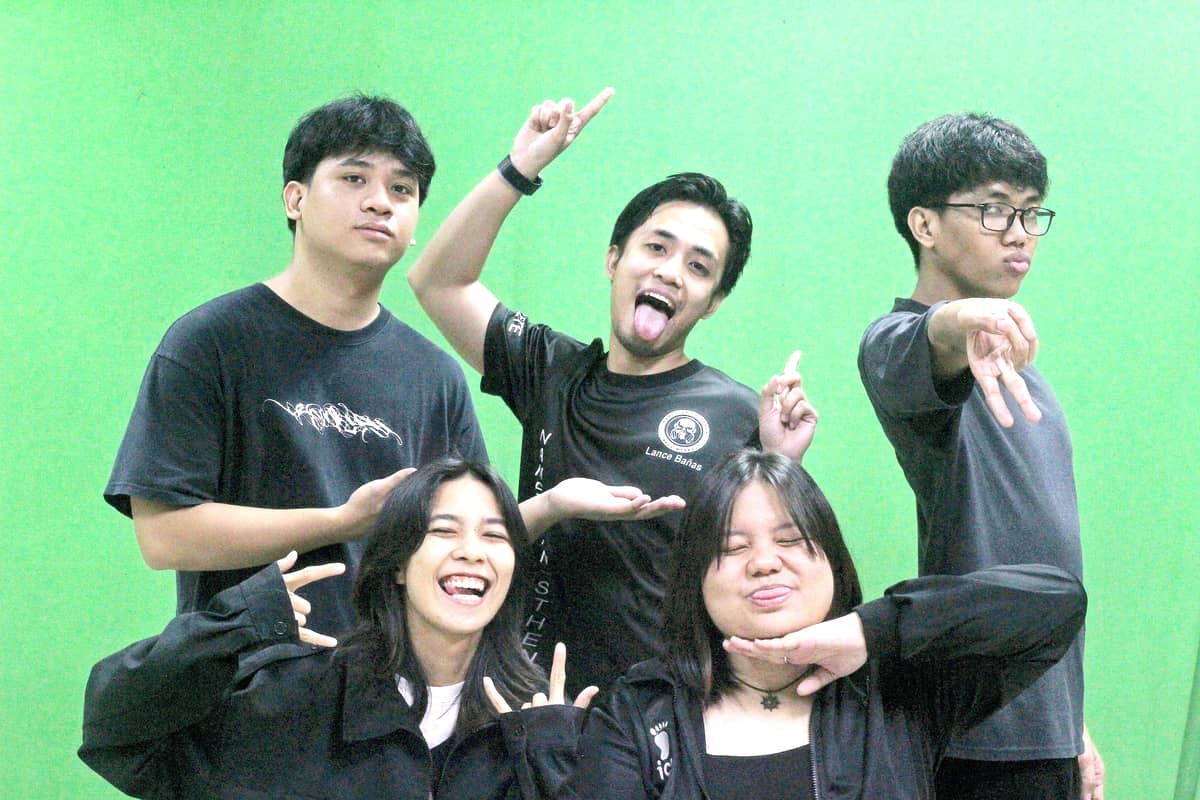
MEET Reelife Films — spearheaded by director, production manager and DAILY TRIBUNE’s Sarah Silva (bottom left) alongside co-director/writer Angela Marie Espiritu (bottom right), together with cinematographer/sound designer Ryan Columna, audio operator Lance Justin Bañas and colorist/music scorer Angelo Tamargo.
That realization became central to Trash Talkers. What started as a story about clogged waterways became a story about the people living with their consequences — and about how our individual actions can become a shared community problem.
But we also did not want to tell that story in a way that felt distant or overly serious. As a director, I didn’t want a boring documentary film that people would sleep through in cinemas. I wanted something that everybody could easily see themselves in. I wanted to keep it natural and grounded.
Our approach naturally fit the decloggers’ personalities. They were clumsy, chaotic, loud and funny, but they got the job done. Their zany personalities energized us both on and off camera. What stayed with me was how ordinary, and sometimes completely absurd, their conversations could be, even while they were doing work most people would rather avoid.
For us, those moments were not distractions from the story. They were part of it. Their humor gave us a glimpse into how they navigate difficult work, while their routines showed us how deeply their lives are tied to the waterways they help clear.
Perhaps that is also why being named one of the five finalists in the 2026 Films for Peace competition feels particularly meaningful to us.
At first, the connection between Trash Talkers and peace was not immediately obvious. Our film does not deal with war or armed conflict. Instead, it looks at something much closer to everyday life: a community dealing with waste, flooding, and the people who work to address their effects.
Films for Peace, a short film competition launched by the Film Development Council of the Philippines in 2024, recognizes cinema as a medium for conversation and understanding, with an emphasis on values such as compassion, empathy, inclusiveness and mutual respect.
For us, that made the connection clearer.
As we spent more time with the decloggers, we began to understand peace in a more ordinary sense. Peace can also be understood through the everyday relationships that hold a community together. It can be seen in people working together to keep their surroundings safe, in recognizing the dignity of labor that often goes unseen, and in understanding how our actions can affect people beyond ourselves.
That became one of the things we wanted Trash Talkers to leave with its audience. By bringing the lives of the decloggers into view, we hope the film creates a little more understanding — not only of the work they do, but also of the shared responsibility that connects us to it.
Because what disappears from our hands does not necessarily disappear from the world. Sometimes, it ends up somewhere else, waiting for someone like Ronron, Jekjek and Bunso to deal with it.