
Upgrade your sleep, starting from the head up


GOOD ventilation, breathable bedding and a comfortable room temperature can help create a more relaxing sleeping environment
Have you ever woken up feeling like you barely slept, even after spending hours in bed?
Getting enough sleep is one thing, but getting comfortable, uninterrupted sleep is another. With busy schedules, long workdays and everything else that comes with everyday life, it is easy to treat bedtime as simply the end of the day instead of giving some thought to the space where we spend a good portion of it.
And sometimes, improving your sleep can start with something as simple as looking at your bed.
Your mattress is one of the most used pieces of furniture in your home. Unlike a sofa or dining table, it is something you rely on every night, which is why comfort and support should matter when choosing one.
One option that has become increasingly common is memory foam. Originally developed in the 1960s for NASA-related applications, the material eventually found its way into consumer products and, later, bedrooms around the world.
Today, memory foam is used in mattresses and pillows designed to respond to the body and provide a more supportive sleeping surface.
Support matters as much as softness
When shopping for a mattress, it can be tempting to focus entirely on how soft it feels.
But a comfortable mattress should also provide adequate support.
Memory foam can distribute pressure across a wider area rather than concentrating it in one spot. Its ability to contour to the body can also help create a more even sleeping surface.
This is particularly important if you tend to wake up feeling stiff or uncomfortable.
Still, there is no single mattress that works for everyone. Your preferred sleeping position, body type and personal comfort all play a role in determining what feels right.
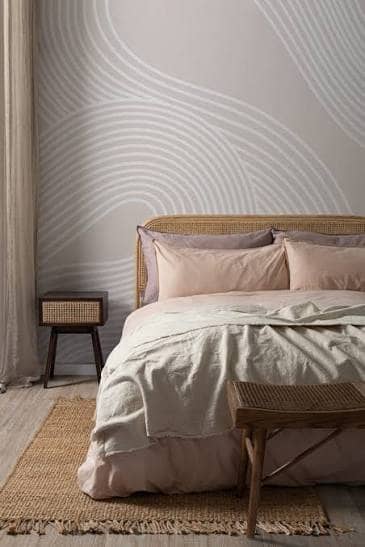
PILLOWS, bedding and other bedroom essentials also play a role in creating a comfortable space for rest.
Are you a restless sleeper?
Not everyone sleeps completely still.
You might turn from your back to your side, change positions several times or share your bed with someone who seems to move every few minutes.
This is another area where memory foam can be useful.
Because the material absorbs some of the movement created when pressure is applied, motion can be less noticeable across the rest of the mattress. That means one person changing positions does not necessarily have to wake the other.
For couples with different sleeping habits, this can be a small but meaningful improvement.
After all, getting a good night’s sleep is difficult when every turn on the other side of the bed becomes your problem too.
If there is one thing many Filipino sleepers can agree on, it is that a hot bedroom can make falling asleep much harder.
Traditional memory foam has sometimes been associated with retaining heat, but mattress technology has continued to develop, with newer designs incorporating materials and construction intended to improve airflow and heat management.
This is worth considering when choosing a mattress, especially if your bedroom tends to feel warm at night.
Your mattress is only one part of the equation, too. Breathable sheets, lighter bedding, good ventilation and a comfortable room temperature can all contribute to making the bedroom feel more inviting.
Sometimes, better sleep is not about adding more things to the room but making the things already there work better.
Your pillow matters, too
While the mattress gets most of the attention, do not forget the pillow.
A pillow that is too high, too low or simply uncomfortable can affect how supported your head and neck feel throughout the night.
Memory foam pillows are designed to contour around the head and neck, which can provide a more supportive feel for some sleepers.
The important thing is to choose a pillow that works with your sleeping position. Side sleepers, back sleepers and stomach sleepers may have different support preferences, so there is no need to assume that one pillow will work for everyone.
A good mattress cannot solve every sleep problem, but it can be part of a bedroom that feels comfortable and restful.
Look around your sleeping space. Is your mattress still comfortable? Is your pillow giving you enough support? Does your room get too warm at night? Is there too much light or noise?
These small details can affect how your bedroom feels at the end of a long day.