
Hog output surges
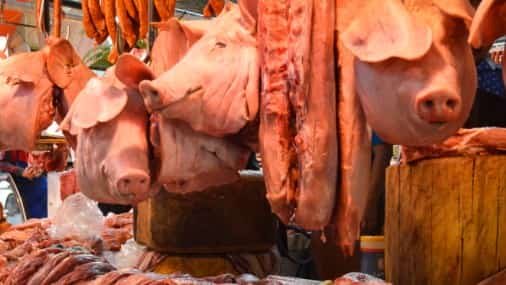
ILOILO CITY — A sharp increase in hog production has helped strengthen Iloilo’s meat supply and may have contributed to lower pork prices, according to the Philippine Statistics Authority (PSA).
PSA Iloilo chief statistical specialist Jerry Dolutan said hog production in the province jumped 34.66 percent in the second quarter of 2026, reaching 7,434.15 metric tons from 4,857.49 metric tons during the same period last year.
Dolutan said the increased supply benefits consumers as greater availability can help ease prices and improve purchasing power.
"For consumers, this is good news because when the price is lower, the purchasing power of the peso is higher," Dolutan said in an interview Friday.
Chicken production also increased 4.26 percent to 15,634.08 metric tons from 14,968 metric tons in the second quarter of 2025.
The increase in meat production coincided with lower prices in August, when inflation for meat and other food products eased to negative 3.7 percent in Iloilo province and negative 4.5 percent in Iloilo City, based on PSA data.
The trend, however, was different in the fisheries sector, which recorded a significant decline in production.
Fishery output dropped 33.17 percent to 9,780.69 metric tons in the second quarter from 13,024.54 metric tons during the same period last year.
Despite the decline in production, inflation for fish and other seafood in Iloilo province eased to 1.7 percent in August from 6.8 percent in July.
In Iloilo City, however, seafood inflation moved in the opposite direction, rising to 8.2 percent from 6.3 percent.
Dolutan attributed part of the decline in fisheries production to unfavorable weather and higher fuel costs, which may have discouraged some fishers from venturing out to sea.