
AMRO warns disasters could trigger economic shocks
THE ASEAN+3 Macroeconomic Research Office said it is revising upward to 4.1 percent its ASEAN+3 growth forecast in 2026, and maintained at 4 percent in 2027 as robust AI (artificial intelligence)-driven demand offsets headwinds from the Middle East conflict. AMRO head and lead economist Allen Ng said ASEAN+3 currently accounts for about half of the world’s AI-related trade.
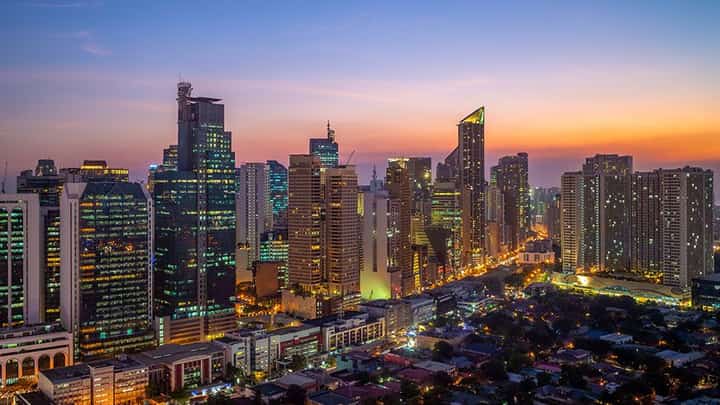
PHOTOGRAPH courtesy of Metrobank Wealth Insights
The Philippines and its ASEAN neighbors need to treat extreme weather as a growing economic and fiscal threat as floods, droughts and heat waves increasingly disrupt food production, infrastructure, public finances and regional supply chains, the ASEAN+3 Macroeconomic Research Office (AMRO) said.
AMRO urged governments to prepare financing and recovery measures before disasters strike, warning that delayed responses can turn temporary disruptions into prolonged economic slowdowns.
“When disaster strikes, countries must be prepared not only to limit physical damage, but also to reduce economic downtime, maintain essential public services, contain financial stress, and prevent short-term losses from weakening long-term growth,” AMRO said.
The regional research office cited United Nations data showing direct disaster losses averaged $180 billion to $200 billion annually between 2001 and 2020. Including cascading and ecosystem effects, the annual economic cost exceeds $2.3 trillion.
For economies such as the Philippines, damage to farms and infrastructure can trigger food shortages, higher prices and weaker household purchasing power. Governments may also be forced to increase subsidies, finance emergency imports or redirect funds from development programs.
AMRO warned that fiscal pressures can worsen when governments need to borrow or divert spending to rebuild roads, ports, irrigation systems, schools and hospitals.
“A post-disaster financing gap can all too easily become a long-lasting economic slump,” it said.
To reduce the impact, AMRO recommended “layering” disaster risks. Budget reserves and disaster funds can cover smaller, more frequent events, while contingent credit, insurance and capital-market instruments can address larger shocks.
The office said pre-arranged financing can give governments quicker access to recovery funds while reducing uncertainty over taxes, public investment, debt and inflation.
In May, ASEAN+3 finance ministers and central bank governors endorsed a 2026-28 Disaster Risk Financing Initiative roadmap calling for national disaster-risk financing strategies and wider use of insurance, catastrophe bonds and contingent financing.
AMRO described disaster-risk finance as a “macroeconomic firewall” that can protect fiscal space, financial stability, food security, social protection and infrastructure planning.