
Phl shippers brace for longer Asia port delays

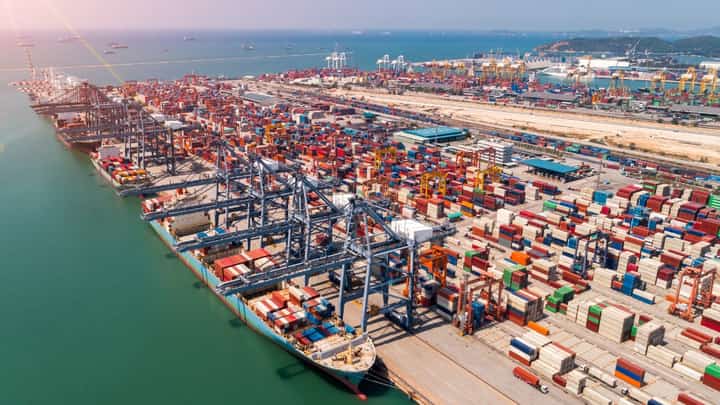
PHILIPPINE cargo faces a ‘double whammy’ of seasonal weather disruptions and regional port gridlock. Vessel wait times in Manila now extend between seven to 10 days because regional fleet capacity is heavily tied up in disrupted north Asian hubs like Shanghai and Ningbo.
Photograph courtesy of ALG Global
Philippine importers and exporters may have to contend with longer and less predictable shipping schedules as congestion across major Asian ports threatens to linger into 2027.
Weather disruptions and operational bottlenecks have tied up vessels across the region, reducing effective shipping capacity and causing delays to cascade into transshipment hubs.
For Philippine businesses dependent on regional shipping networks, prolonged congestion could complicate the movement of imported goods, raw materials and exports as pressure spreads toward Southeast Asia.
bSam Chambers, maritime analyst and editorial director of Asia Shipping Media, said Friday the problem increasingly looks less like a temporary disruption and more like one that could persist well into 2027.
Sea-Intelligence estimates that delays are absorbing 8.5 percent of the global containership fleet, equivalent to roughly 3 million twenty-foot equivalent units of capacity.
Based on recovery rates following the pandemic and the initial Red Sea crisis, Sea-Intelligence estimates it could take seven to 10 months for congestion to return to the low levels recorded in June 2025.
History suggests the disruption will take months rather than weeks to unwind, Chambers said.
That could leave Asian ports dealing with congestion into the next peak cargo season and potentially the pre-Chinese New Year cargo rush. Chinese New Year falls on 6 February 2027.
Repeated typhoons have been a major factor. Freightos said congestion at Far East origin ports has worsened as delays cascade into transshipment hubs, while HSBC expects capacity constraints to migrate toward Southeast Asia and the Indian subcontinent.
Freight rates are already reflecting the tighter shipping environment.
Drewry’s Intra-Asia Container Index has reached record territory, with rates from Shanghai to Laem Chabang rising 22 percent to $1,609 per 40-foot container and Shanghai-Jakarta rates climbing 12 percent to $2,300.
The bottlenecks are showing up sharply in intra-Asia pricing, Chambers said.
Xeneta, meanwhile, reported Asia-US rates still near pandemic-era records. Peter Sand, Xeneta chief analyst, said shippers entering 2027 tenders cannot assume the current disruptions will disappear quickly.