
IT does ‘takes a village’ to raise kids

There was a time when a new parent’s first line of advice was usually just a few doors away.
A mother had her own mother. A young family could turn to a grandmother, aunt, older sibling, neighbor or trusted household helper who had already been through the business of raising children. Much of what parents needed to know was passed down through everyday conversations, family routines and the occasional confident declaration of, “Ganito ang ginawa namin noon.”
Today, that familiar village still exists. It just has more members.
A question about a baby’s feeding schedule can now find its way into a parents’ group chat. A late-night worry can lead to a pediatrician’s social media page. A quick search can produce articles, videos and discussions from parents dealing with remarkably similar situations.
Parenting has not necessarily become less communal. In many ways, the community has simply become more scattered — and more accessible.
Advice parents inherit and rethink
Filipino families have long relied on shared experience when it comes to raising children. Grandparents and older relatives remain important sources of practical knowledge, particularly during those first months when everything from bathing a newborn to figuring out a sleep routine can feel unfamiliar.
But today’s parents have something previous generations did not have in quite the same way: The ability to compare information almost instantly.
A piece of advice from home can be considered alongside guidance from a pediatrician, recommendations from child-development experts or the experiences of thousands of other parents online.
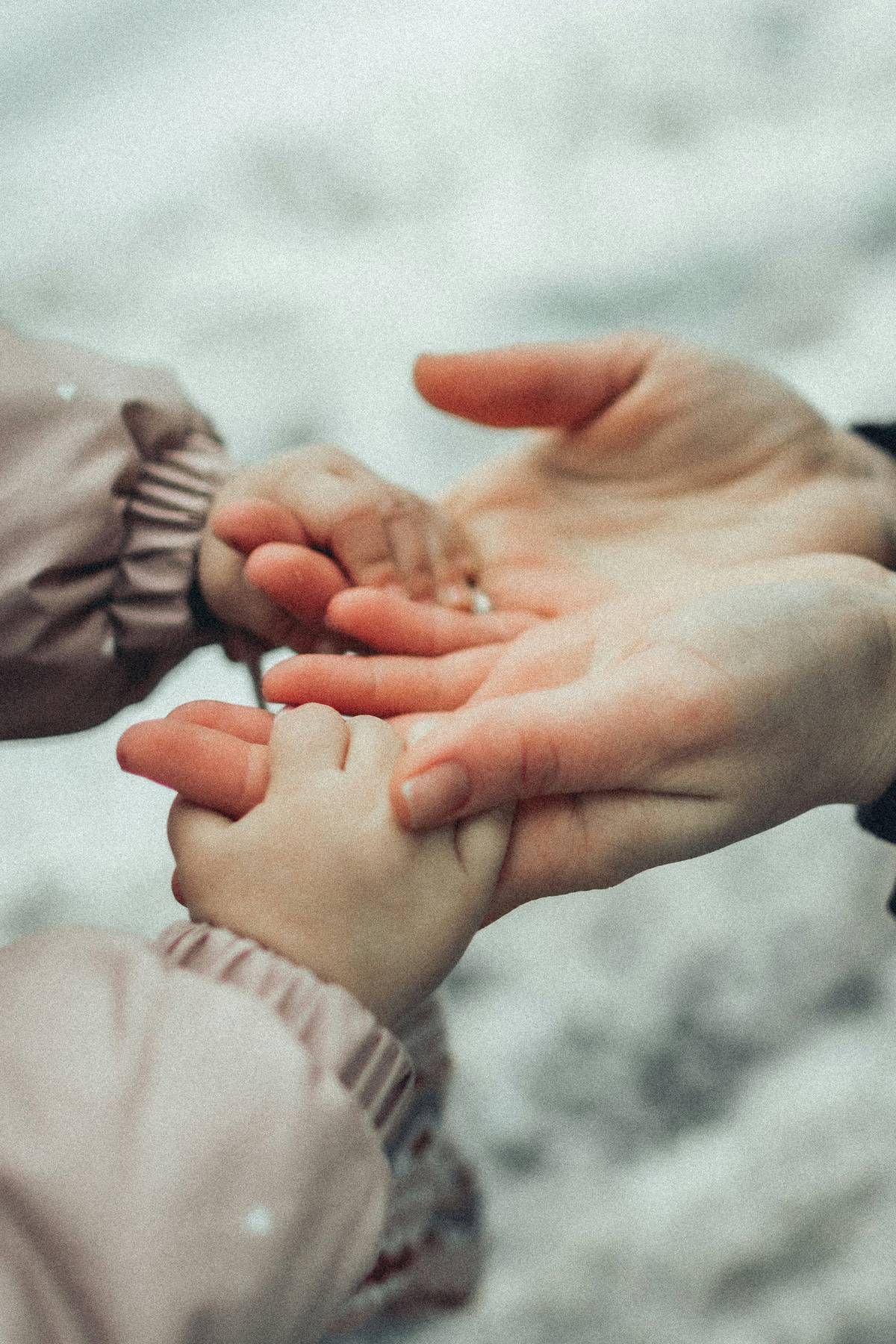
FROM family wisdom to online communities, today’s parents are finding support in more places than ever.
Photo courtesy of Unsplash/Ana Curcan
That does not mean traditional wisdom has become irrelevant. Rather, many parents are learning to filter it.
The question is no longer simply whether something worked for the family before. It is also whether it makes sense for their child, their household and the realities of life today.
This broader approach is reflected in resources such as UNICEF Philippines’ parenting materials, which address not only children’s development but also play, mental well-being, healthy habits, parental self-care and online safety.
The result is a more personal kind of parenting. Families are increasingly assembling their own mix of inherited wisdom, expert advice and lived experience.
And much of that decision-making happens in the least glamorous moments of the day.
Real work
Parents will always remember the big occasions.
The first smile. The first steps. The first birthday. The first time a child says something that makes everyone in the room reach for their phones.
But between those milestones are countless repetitive tasks.
There are diapers to change, bottles to wash, baths to prepare, clothes to pack and bags to organize before leaving the house. There are mornings when getting everyone out the door feels like an achievement in itself, and nights when a sleeping baby finally means everyone else can breathe.
It is within these routines that parents become experts in their own households.
They discover where the wipes should always be kept. They learn which items belong permanently in the diaper bag. They develop systems for bath time and bedtime. They figure out which everyday necessities are worth keeping close because they make an otherwise hectic routine run a little more smoothly.
This is where convenience takes on a different meaning.
For parents, convenience is not necessarily about doing less. Often, it is about making a familiar task less complicated.
A diaper that stays comfortable and dry. Wipes that are gentle enough for frequent use. Baby-care products that can easily be brought along for an afternoon outside the house. Small considerations, perhaps, but ones that become significant when repeated several times a day.
The little things parents come to rely on
As baby-care needs have expanded, so too has the range of products designed around those everyday routines. But no diaper, wipe or baby-care product can eliminate the unpredictability that comes with raising a child. But dependable essentials can remove some of the small inconveniences that accumulate throughout the day.
And sometimes, that is enough.
The Filipino parenting village may no longer be confined to the family home or the neighborhood.
It can be a grandmother sharing a tried-and-tested tip. It can be a doctor answering a question online. It can be another parent in a group chat saying, “Same thing happened to us.”
It can even be the everyday products that quietly become part of a family’s system.
What connects all of these is the same basic idea: Parents were never meant to have every answer on their own.