
Mourning goes digital
For a generation that has grown up online, remembering loved ones has also become something that happens through old photos, archived chats and digital keepsakes.
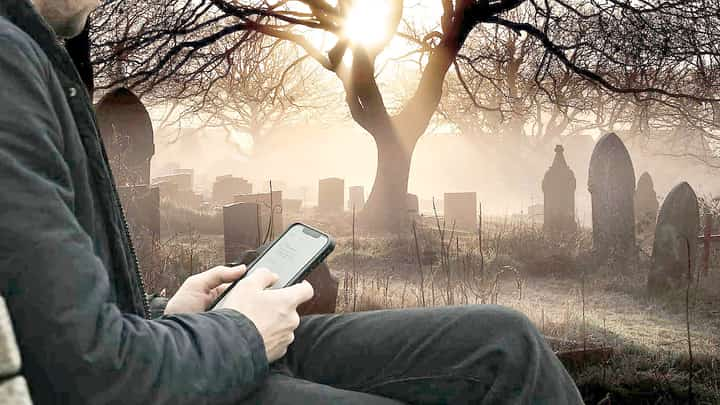
YOUNG Filipinos are embracing digital spaces as another way to remember loved ones during Undas, keeping family memories alive through photos, videos, voice messages and online tributes alongside long-standing traditions.
IMAGE BY SHEILA FIGUEROA
Undas followed a familiar rhythm for many years.
Families packed food before sunrise, cleaned graves, lit candles and spent the day catching up with relatives they had not seen in months. It was a tradition built on physical presence, a reminder that remembering someone often meant making the journey home.
That journey still matters for many young Filipinos today. But it is no longer the only way they stay connected to the people they have lost.
Sometimes, remembrance begins with a notification.
A social media app resurfaces a photo from years ago. An old video appears while scrolling through a camera roll. A playlist suddenly plays a song that once filled the family living room. Even an archived group chat can become an unexpected doorway to memories, preserving conversations that would have otherwise faded with time.
These moments happen quietly and without planning, but they have become part of how Generation Z experiences grief and remembrance.
Unlike previous generations, Gen Z has spent much of their lives documenting everyday moments. Birthdays, graduations, vacations and ordinary family dinners have all found a place online. As a result, loved ones often leave behind more than photo albums or handwritten letters. They leave thousands of digital traces — voice notes, videos, messages, tagged photos and social media posts that remain long after they are gone.
Instead of replacing traditional practices, these digital footprints have become another way to remember.
Researchers have begun describing this as “digital remembrance” or “continuing bonds,” where technology allows people to maintain a sense of connection with loved ones after death. Rather than encouraging people to “move on,” these interactions can help them reflect, remember and find comfort in memories that remain easily accessible.
That idea resonates with many young Filipinos whose lives unfold online.
For some, honoring a loved one means posting an old photograph every birthday. Others revisit saved voice messages just to hear a familiar laugh again. Some choose to keep a relative’s chat thread untouched, unable — or unwilling — to delete years of conversations.
There is no single right way to remember.
A growing body of research suggests that online memorial spaces often provide emotional support by giving family members and friends a place to share stories, exchange messages and grieve together, especially when they are separated by distance. Digital platforms have become an extension of community rather than a replacement for face-to-face traditions.
That is especially true for many young Filipinos who now study or work far from home.
Not everyone can return to the province for Undas. Flights can be expensive, work schedules can be demanding and classes rarely pause for long. Yet technology makes it possible to join family video calls from the cemetery, watch relatives offer prayers in real time or simply look back on old family photos together from hundreds of kilometers away.
The experience may look different, but the intention remains the same.
Of course, the internet also changes how grief is shared. Public tributes, memorial videos and heartfelt captions have become common during Undas, prompting conversations about privacy, authenticity and whether mourning should be visible online. Mental health experts note that there is no universal formula for grieving. People process loss differently, and for many, expressing emotions digitally is simply another healthy outlet rather than a performance.
Perhaps that is what makes today’s Undas unique.
The flowers still arrive. Candles are still lit. Families still gather around graves, tell stories and prepare favorite dishes.
But somewhere between those traditions, another ritual quietly unfolds.
Someone scrolls through an old album. A cousin shares a decades-old family photo in the group chat. A granddaughter listens to a saved voicemail she cannot bring herself to erase.
None of these moments replaces a visit to the cemetery.