




Talus kanu sa Bangsamoro!
Tourism Promotions Board holds 18th Regional Travel Fair in Cotabato City

Text size
Tourism Promotions Board holds 18th Regional Travel Fair in Cotabato City
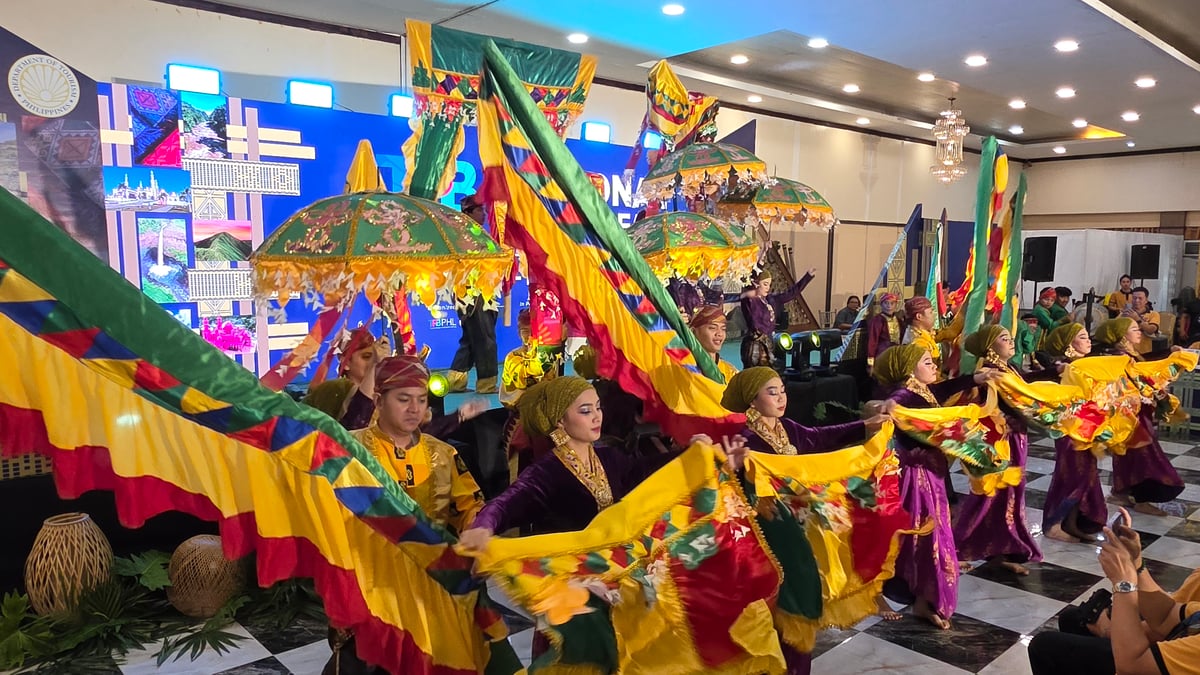
A MEDLEY of traditional Bangsamoro dances welcomes participants and guests to the Regional Travel Fair.
Photographs by Roel Hoang Manipon for DAILY TRIBUNE
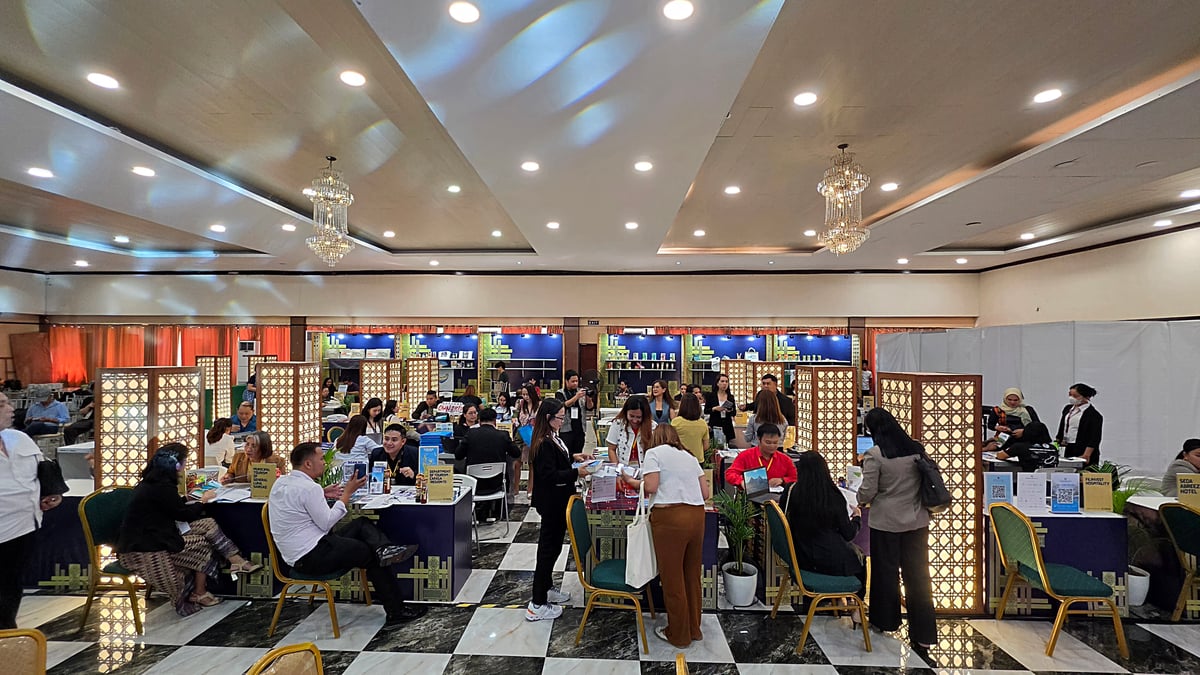
TOURISM buyers and sellers meet during the business-to-business session of the 18th Regional Travel Fair.
Photographs by Roel Hoang Manipon for DAILY TRIBUNE
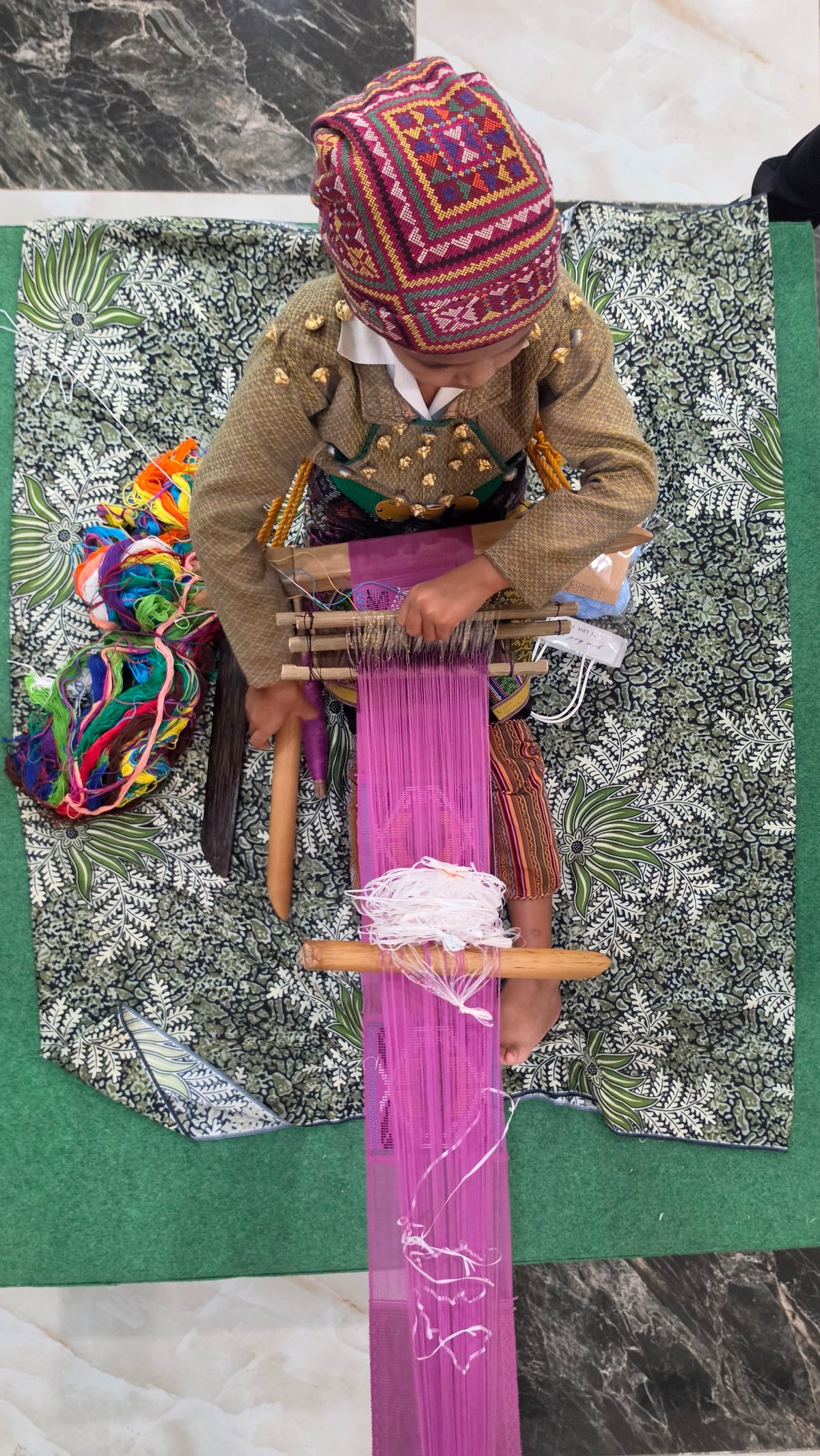
NORMINA Indasan, considered the youngest Yakan textile weaver from Basilan, shows her skill at the Regional Travel Fair.
Photographs by Roel Hoang Manipon for DAILY TRIBUNE
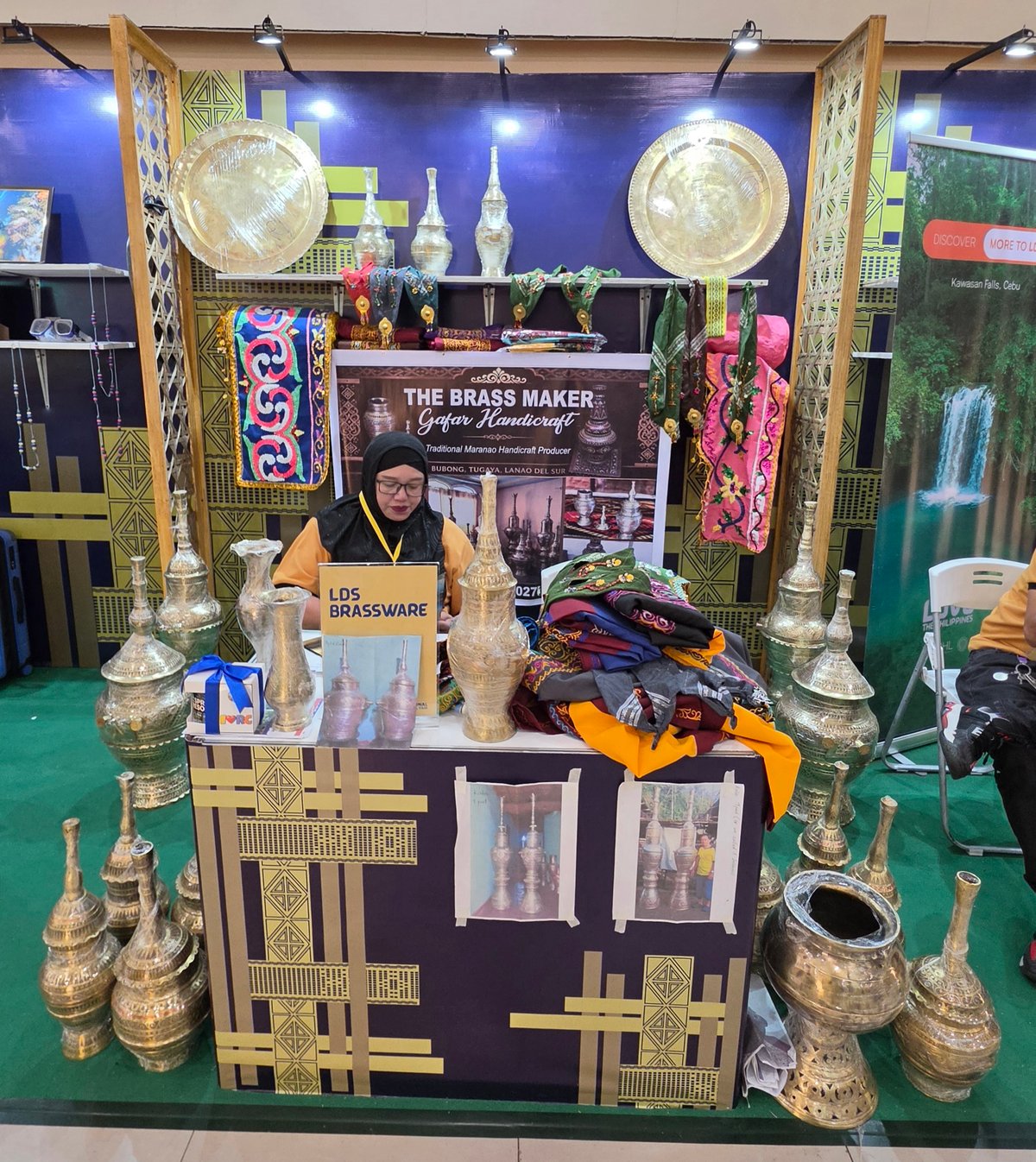
LDS Brassware showcases traditional Meranaw metalwork from Tugaya, Lanao del Sur.
Photographs by Roel Hoang Manipon for DAILY TRIBUNE
For many tourists, the Bangsamoro Autonomous Region in Muslim Mindanao (BARMM) remains a largely unexplored corner of the Philippines — a place more often encountered through news reports than travel itineraries. Yet the region, comprised of Basilan, Lanao del Sur, Maguindanao del Norte, Maguindanao del Sur and Tawi-Tawi, holds grand mosques and coastal landscapes, caves and living weaving traditions, tropical islands, rich cuisines and communities eager to welcome visitors.
At its gateway is Cotabato City, distinguished by its Islamic landmarks, cultural institutions, crafts and cuisine. While BARMM possesses considerable tourism potential, much of it remains to be connected to wider markets and introduced to travelers.
Against this promising landscape, the Tourism Promotions Board (TPB), an attached agency of the Department of Tourism (DoT), staged the 18th Regional Travel Fair (RTF) from 14 to 16 August at the Alnor Hotel and Convention Center in Cotabato City. The gathering brought tourism stakeholders from across the country into BARMM, creating a marketplace for travel while offering a closer look at one of the Philippines’ least explored regions.
More than a venue for selling tours and accommodations, the fair sought to connect local enterprises with buyers, bring destinations into the national conversation and demonstrate how tourism can support livelihoods while helping communities preserve their heritage.
“Tourism thrives when people connect. Through the RTF, we are opening doors for destinations, empowering local businesses and creating opportunities that translate into jobs, investments and inclusive growth for communities,” said TPB chief operating officer Maria Margarita “Marga” Montemayor Nograles.
Building connections and business
The fair began on 14 August with its business-to-business component, where tourism enterprises presented destinations, accommodations, packages and other products directly to prospective partners.
A total of 1,680 business appointments generated more than P46.9 million in sales leads and nearly P2.5 million in actual sales. Across its business-to-business and business-to-consumer components, the fair gathered 42 buyers and 60 sellers and exhibitors.
The figures measured the interest generated when destinations and enterprises outside the country’s established tourism centers meet the right markets. But Nograles emphasized that the encounters had value beyond immediate sales.
“Beyond meetings and exchanges, every partnership formed, every package developed and every market opened can create opportunities for destinations, support local enterprises and bring meaningful benefits to communities,” she said.
Guests at the business-to-business opening included BARMM interim chief minister Abdulraof Macacua, TPB Domestic Promotions Department manager Arnold T. Gonzales and BARMM Minister of Trade, Investments and Tourism Farserina A. Mohammad.
Stakeholders from Basilan, Lanao del Sur, Maguindanao del Sur, Maguindanao del Norte, Tawi-Tawi and Cotabato City showcased their destinations and products. They were joined by sellers from 12 other regions, DoT regional offices and attached agencies, local governments and private tourism enterprises.
The breadth of participation turned the fair into a compact survey of Philippine tourism and positioned BARMM within a wider network of routes and experiences across the country.
Bringing BARMM closer to travelers
The fair opened to the public during its business-to-consumer component. Visitors explored domestic travel packages, accommodations, airline tickets and destination offerings while speaking directly with tourism enterprises.
For her, tourism begins with curiosity. “At the heart of tourism is the simple desire to discover something new,” she said.
Destination presentations, interactive activities and special offers encouraged visitors to venture beyond familiar vacation spots. Participating agencies included the Tourism Infrastructure and Enterprise Zone Authority, Philippine Retirement Authority, Intramuros Administration and Philippine Commission on Sports Scuba Diving. Philippine Airlines, an organizing partner, also took part.
Nograles encouraged visitors to meet tourism representatives, learn from artisans and community partners and gather ideas for future journeys. “The more we travel around our own country, the more we appreciate the beauty, culture and stories that connect all of us as Filipinos,” she said.
The program also featured discussions on gender equality and inclusive tourism development, disaster preparedness and environmental stewardship. Through the Tourism Marketing Educational Seminar, participants exchanged ideas to aid destination promotion and development, while the RTF Travel Trivia Challenge brought a playful conclusion to the public sessions.
Traditions woven by hand
Some of the most compelling presentations came from BARMM’s cultural communities, showing that the region’s tourism potential resides not only in places but also in knowledge carried by its people.
Yakan weavers from Basilan demonstrated their community’s intricate textile tradition. Among them was eight-year-old Normina Indasan, a great-granddaughter of the late Manlilikha ng Bayan Ambalang Ausalin. Maguindanao and Iranun weavers displayed inaul, one of their most recognizable creative expressions, while Al-Jamelah, an all-women-led weaving center in Maguindanao, presented locally made pieces.
Buddies, associates? One happy family?
A traditional dish called zongzi is served during China’s Dragon Boat Festival, which falls in June. It is a rice…
Divina credited the firm’s achievements to its members, thanking them for their ‘hard work, dedication, teamwork, and…
‘Sec. Vince Dizon, please explain how this finding of your own team should not be flagged as a ghost project in Taguig.’
The woven works offered something deeper than souvenirs. They carried the identity of their makers and the memory of communities that have preserved their craft despite changing times.
Encountering Cotabato City
Beyond the convention center, familiarization activities allowed buyers, fair participants, members of the media and social media personalities to encounter Cotabato City firsthand.
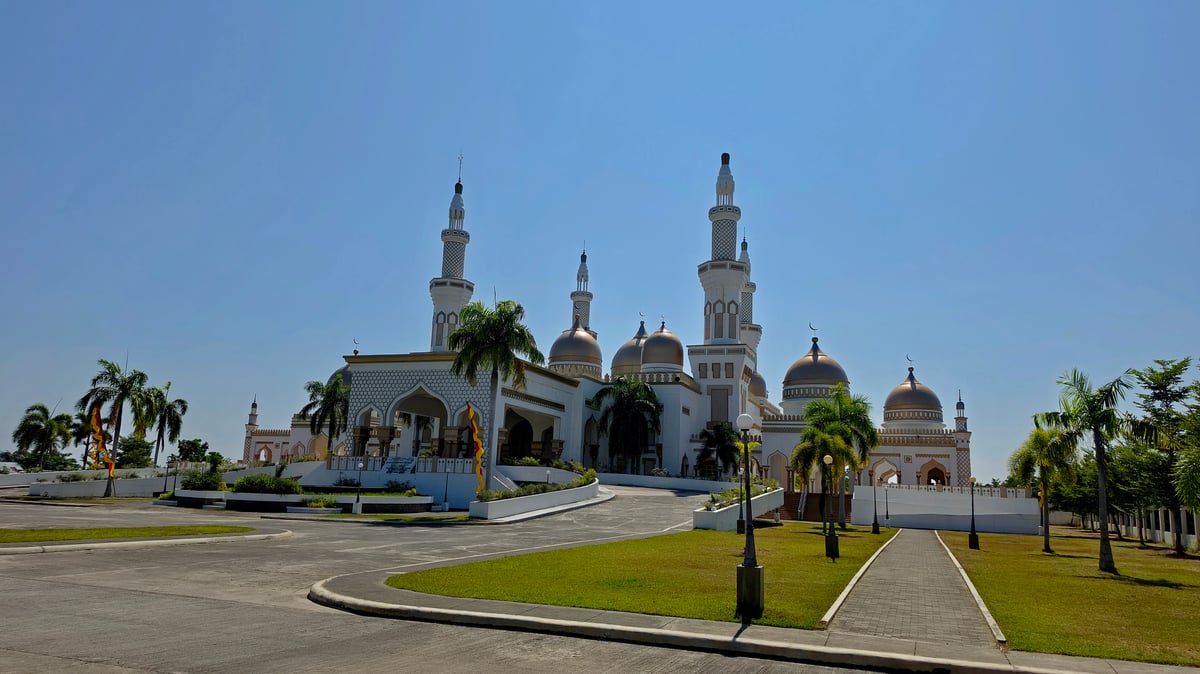
Stops included the Sultan Haji Hassanal Bolkiah Mosque, Bangsamoro Museum, Kutawato Cave, People’s Palace and Al-Jamelah Weaving Center. These encounters conveyed what statistics and presentations cannot: the atmosphere of a place, the rhythms of daily life, the textures of its crafts and the meanings communities attach to their landmarks.
Tourism along a longer road
The Regional Travel Fair came as BARMM advances the Bangsamoro Tourism Development Plan 2024-2033, a 10-year framework intended to guide tourism development, promote social cohesion and sustainable economic growth, and increase the industry’s contribution to local communities.
BARMM’s tourism growth requires better infrastructure, skilled workers and sustained promotion, as well as overcoming perceptions that have discouraged visitors. Yet its relatively unexplored character is also an advantage, offering meaningful experiences rooted in community, heritage and nature. Development must respect sacred spaces and traditions while ensuring communities help shape — and benefit from — tourism.
The fair offered a step in that direction. It created business prospects, but it also brought people into conversation. Organized by TPB with the DoT, the BARMM Ministry of Trade, Investments and Tourism, and the Cotabato City government, it also received support from the Bureau of Tourism, Cotabato City Tourism Office, and Cotabato City Tourism Council.
“Together with our partners in Cotabato City and BARMM, we look forward to inspiring more travelers to explore the destinations, support local communities and discover more reasons to love the Philippines,” Nograles said.
When the fair ended, the P46.9 million in sales leads represented potential journeys still to be made. More significant, perhaps, were the doors opened, connections forged, and impressions changed.
BARMM remains a region waiting to be explored — not because it lacks stories, beauty, or heritage, but because much of the country has yet to look closely. In Cotabato City, the invitation was extended — to come and discover the Bangsamoro.
