
BSP hikes rates again, cites risks outside Gulf
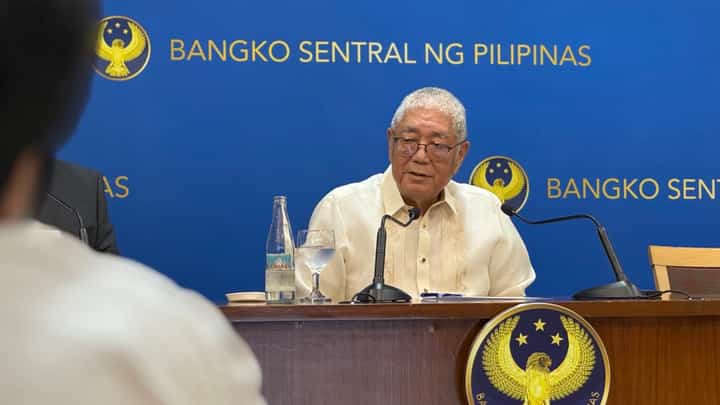
The Bangko Sentral ng Pilipinas (BSP) has continued its tightening bias, hiking its key policy rate by another 25 basis points amid persistent upside risks to inflation beyond developments in the Middle East.
The central bank’s Monetary Board, chaired by BSP Governor Eli Remolona Jr., resolved to enact its third consecutive interest rate hike since the onset of the Gulf conflict in March during its Thursday, 27 August, meeting, citing risks beyond volatile oil prices stemming from the conflict.
At a press conference following the decision, Remolona described the hike as a “preemptive move” despite headline inflation easing for three consecutive months to 6.2 percent as of July.
“Posing further risks to inflation is the possible impact of a severe El Niño event and potential minimum wage adjustments. These underlying price pressures require preemptive monetary action,” he said.
“The measured increases in BSP interest rates will continue to anchor inflation expectations of consumers and businesses and mitigate further broadening of inflationary pressures.”
The BSP’s target reverse repurchase (RRP) rate now stands at 5 percent, while the interest rates on the overnight deposit and lending facilities were adjusted to 4.5 percent and 5.5 percent, respectively.
In its previous two meetings in April and June, the central bank cited the Middle East conflict and its broad spillover effects as the main reasons for hiking interest rates.
However, Remolona acknowledged that the Super El Niño season, which could result in higher food inflation due to crop damage, and the approved P85 minimum wage hike in Metro Manila now further cloud the inflation outlook.
“We will tighten as much as we need to to bring the [inflation rate] to its target,” he said.
The BSP still expects inflation to exceed its 3 percent annual target for the next three years. The acceleration in the headline print has coincided with a further slump in the country’s economic growth, which sank to a 17-year low of 2.3 percent in the second quarter, excluding the pandemic years, as the infrastructure investment slump following last year’s corruption scandal continued.
A rate hike aimed at combating inflation often slows growth, as higher interest rates discourage consumption, the main engine of the Philippine economy. Remolona acknowledged the trade-off, noting that the BSP takes growth into account in its monetary policy decisions.
“We always take account of growth,” he said. “We considered that very carefully. But [not raising] the policy rate, in our calculations, wouldn’t have added significantly to growth.”
The BSP chief added that the government is eyeing further catch-up infrastructure spending, noting that the central bank expects growth to normalize by next year after beginning its recovery in the fourth quarter of this year.
“I believe the government has been working strenuously to accelerate infrastructure spending, and we expect that growth will recover by the fourth quarter of 2026,” he said.
“The fundamentals for growth are still in place. Once growth gets going, it will get going. So we think growth will, more or less, fully recover by next year.”