
Stocks slip, peso gains ahead of BSP meeting
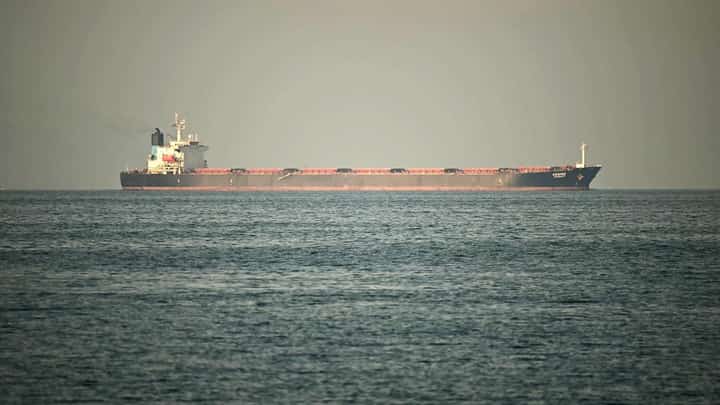
The benchmark index fell 0.86 percent to 6,137.23 on Wednesday, while the peso strengthened by around 8 centavos to P61.65 per US dollar as investors remained cautious ahead of the Bangko Sentral ng Pilipinas (BSP) policy meeting and amid developments around the Strait of Hormuz.
The BSP’s Monetary Board will convene on Thursday morning, with multiple analysts projecting another 25-basis-point hike, which would be the third such increase since the onset of the Gulf conflict in March.
Investors remained on the sidelines as another rate hike, while intended to contain inflation — which has accelerated nearly sevenfold year on year due to the energy shock — could come at the expense of medium-term economic growth, which has slumped for four consecutive quarters amid the infrastructure slowdown.
Trading remained tepid, with net value turnover at P4.76 billion and foreign investors posting P692.10 million in net selling. Banks were the only sector to gain, rising 0.30 percent, while services led decliners at 2.47 percent. Monde Nissin Corp. rose 2.34 percent to P7.01, while International Container Terminal Services, Inc. fell 3.00 percent to P920.50.
Peso up as oil prices fell
The peso gained P0.088, or 14 percent, from Tuesday’s P61.738 close. Its recovery came as oil prices fell amid renewed Iran-Oman discussions on managing traffic through the Strait of Hormuz. Brent crude dropped to around $86.41 a barrel, easing concerns over a prolonged energy shock.
The decline in oil prices provided relief for the peso, as lower crude prices reduce the Philippines’ dollar requirements for energy imports. Softer US Treasury yields also limited support for the dollar, with the 10-year yield falling to around 4.63 percent.