
BSP sees inflation above target until 2028
The Bangko Sentral ng Pilipinas (BSP) expects inflation to remain above its 3 percent target until 2028 as the effects of the Gulf conflict continue to ripple through the Philippine economy despite efforts to secure a US-Iran peace agreement.
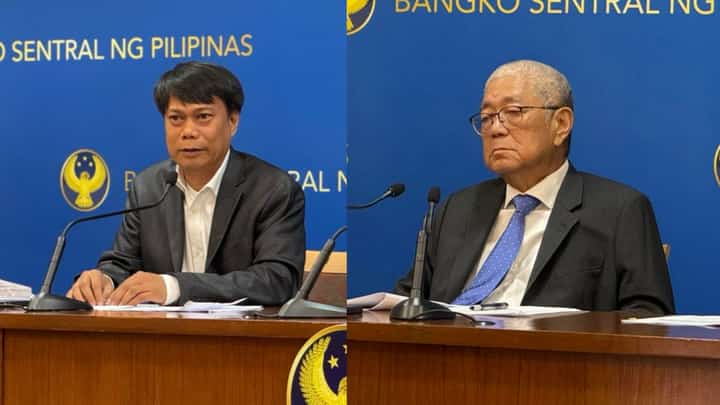
Speaking at a press conference on Thursday following the central bank’s second 25-basis-point rate hike in response to the energy crisis, BSP Deputy Governor Zeno Abenoja said the BSP now expects inflation to average 6.5 percent in 2026 and 4.5 percent in 2027.
“Just [to] recall, it was 6.3 percent for 2026 and 4.3 percent for 2027, both referring to the average inflation for the year,” he said.
“For 2028, the first time that we will be sharing our forecast, it could hover around 3.1 percent,” he added.
The latest projections exceed the BSP’s 3 percent inflation target for all three years, while the forecasts for 2026 and 2027 remain above the upper end of the central bank’s 2- to 4-percent target range.
Inflation averaged below 2 percent in 2025 and ended the year at 1.8 percent. However, the onset of the Gulf conflict in March triggered a surge in global oil prices, pushing up domestic fuel and transport costs and driving inflation to a three-year high of 7.2 percent in April—four times the level recorded at the end of last year.
Although inflation eased to 6.8 percent in May, economists have warned that the full impact of the energy shock has yet to be felt. The BSP has previously noted that monetary policy typically takes up to a year to work through the economy, while second-round effects from oil shocks can take around six months to fully materialize.
BSP Governor Eli M. Remolona Jr. said upside risks remain despite easing inflation and the signing of a preliminary memorandum of understanding between the United States and Iran. He noted that core inflation—which excludes volatile food and energy prices—continued to rise in May despite mandated fuel price rollbacks.
“Even if the Strait of Hormuz is open today, even if there's a ceasefire today, we will still need several months to rebuild the infrastructure before we can expect the price of oil to return to pre-conflict levels,” he said.
On Friday, planned US-Iran talks in Switzerland were delayed after Iran suspended negotiations in protest over ongoing Israeli military strikes in Lebanon. The talks were intended to formalize a 60-day ceasefire agreement and pave the way for the full reopening of the Strait of Hormuz, whose disruption has been a major driver of higher global inflation expectations.
The BSP raised its key policy rate to 4.75 percent on Thursday in response to inflationary pressures stemming from the Gulf conflict. While higher interest rates help curb inflation, they can also weigh on economic growth and corporate earnings.
Remolona said Thursday’s move may not be the last, noting that the BSP still has room to tighten monetary policy further if needed.
“We have a lot. I think 25 basis points is possible, 50 basis points is possible, depending on the data that we see going forward,” he said.