
When the walls are part of the race: F1’s street circuit dilemma

Formula 1 is returning from its summer break, but before we reach the final stretch of the season, Monaco reminds us how this sport can be both thrilling and dangerous.
Racing first came to Monaco in 1929, before the principality became part of the Formula 1 World Championship in 1950.
Since then, the race has become a calendar favorite, known as much for its glamour and prestige as it is for the challenge of racing through the streets of Monte Carlo.
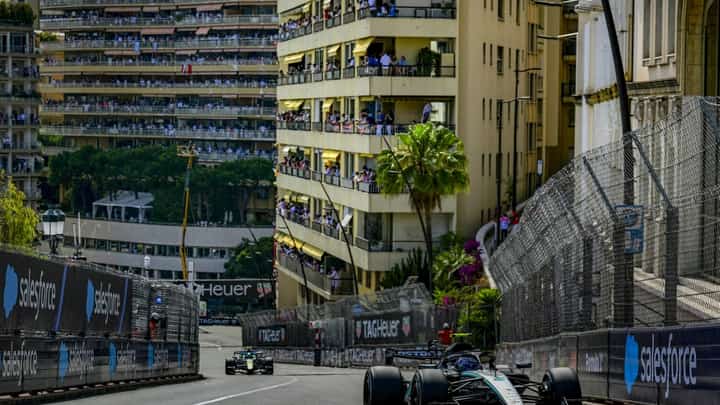
Imagine racing a Formula 1 car through streets designed for everyday use, with towering buildings surrounding you at almost every turn. That is what makes Monaco so beautiful — and what makes it so unforgiving.
The Circuit de Monaco is narrow, with barriers sitting close to the racing line and very little room for error. Overtaking is notoriously difficult, meaning drivers have to be precise while teams must make the most of every strategic opportunity. Formula 1 itself describes the circuit as “incredibly narrow,” with drivers threading their cars between imposing barriers.
Fans and drivers love Monaco anyway. Some consider the race boring because of the limited overtaking, but there is something unique about watching the fastest cars in the world navigate one of the most iconic street circuits in motorsport.
It is also a circuit filled with F1 history — from the tension between former Red Bull teammates Daniel Ricciardo and Max Verstappen to Ricciardo's famous post-race celebration of jumping into the pool after his 2018 victory. Monaco has produced moments that have become part of the sport's identity.
For Charles Leclerc, however, his home race has often been a source of frustration. His so-called “Monaco curse” continued in 2026 when he crashed at the final corner, Anthony Noghes, after Lance Stroll had crashed at the same spot earlier in the race. Leclerc's incident brought out another Safety Car and eventually a red flag.
That sequence highlighted the different challenge posed by a street circuit compared with a permanent racetrack.
Permanent circuits can be designed with expansive runoff areas, barriers and escape zones around the racing line. Street circuits, meanwhile, have to work around buildings, sidewalks, existing roads, tunnels, elevation changes and limited space.
Monaco is the prime example.
Stroll's crash and Leclerc's identical incident showed just how quickly a small mistake can become a race-ending one when there is little room between the car and the wall. At Monaco, the walls are not simply around the track — they are part of the track's character.
But Monaco isn't the only street circuit on the F1 calendar. Singapore, Baku, Las Vegas and Jeddah each bring their own challenges and constraints.
That raises a bigger question as Formula 1 continues to embrace street racing: is the sport moving toward circuits where the walls are part of the spectacle — and therefore part of the danger?
F1 continues to improve safety at its circuits, but can a track built around ordinary city streets ever be as forgiving as a purpose-built racetrack?
Perhaps that tension is exactly what makes street circuits so compelling. The same walls that make them dangerous are also what make them unforgettable.