
Flooded every time it rains? Know your lease rights

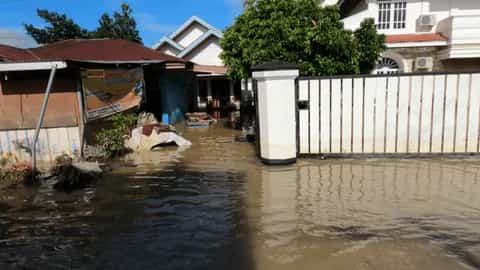
FLOODWATERS rise around an apartment building following heavy rainfall, highlighting the risk faced by residents when persistent flooding affects access to their homes.
Photograph courtesy of PNGTree
It starts raining, and it is coming down hard.
You look out the window and see floodwaters rising. Soon, they could reach your unit. Or perhaps you are inside your condo when you notice leaks, water intrusion and, eventually, flooding.
Then you find yourself asking: Can I legally end my lease because this keeps happening every time it rains?
Not so fast.
Before deciding to break your lease, there are several questions you should ask yourself — and things you should check — first.
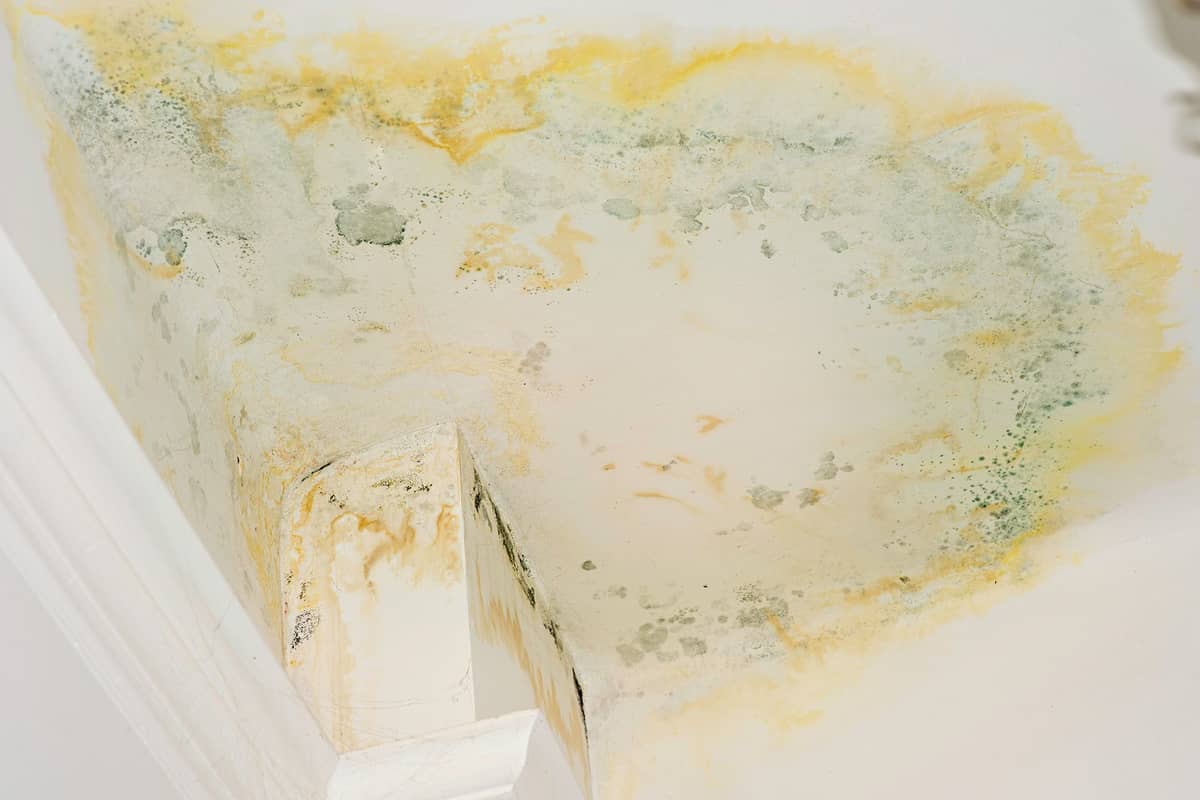
WATER damage is visible inside a residential unit, with leaks and moisture creating concerns over mold, mildew and the safety of the living space.
Photograph courtesy of Full Circle Home Inspectors
How has the flooding affected your ability to live in the property?
Start by looking at how the flooding has affected your home and your day-to-day life.
Has floodwater entered your unit? Are there electrical hazards caused by water intrusion? Has repeated flooding led to mold and mildew? Has it caused structural damage or sewage backups?
Other concerns may include:
• Being unable to safely access the property
• Damage to furniture and appliances
• Health risks from contaminated floodwater
• Persistent leaks and water intrusion
• Damage that makes parts of the property unusable
If the flooding or any resulting damage has made the property unsafe or unfit for normal living, the issue deserves immediate attention.
What does your lease agreement say?
Before making any decisions, get out your lease agreement and check whether it contains provisions covering:
• Property maintenance
• Repairs
• Natural disasters
• Force majeure
• Early lease termination
The contract may not specifically mention flooding, but it may contain provisions that apply to situations involving property damage, repairs or circumstances beyond either party’s control.
Read the terms carefully and take notes. Keeping a record of what your lease says, along with what has happened to the property, can help protect both you and your landlord if a dispute arises.
Is my landlord responsible?
Before bringing the issue to your landlord or property management, consider what responsibilities fall on them under the lease and applicable law.
Generally, a landlord may be responsible for matters such as maintaining the property’s structure, addressing major repairs and plumbing problems, keeping electrical systems safe and fixing issues that affect the property’s habitability.
However, landlords are not automatically responsible for every instance of flooding. Some flooding may result from severe weather or other circumstances beyond their control.
The important question is whether the flooding is connected to a problem the landlord is responsible for addressing — and whether reasonable steps have been taken to fix it.
Can the landlord restore the property to a safe condition within a reasonable time?
If your unit has persistent leaks, damaged electrical systems, structural problems or other issues caused by flooding, consider whether the landlord can reasonably repair the property and make it safe to occupy again.
If the property cannot be restored within a reasonable period, or repeated flooding continues despite attempts to fix the problem, this may strengthen your case for discussing early termination.
However, do not assume that this automatically gives you the legal right to end your lease. Your rights can depend on your contract and the circumstances involved.
Does it flood every time it rains?
A single flooding incident during an unusually severe storm is different from a recurring problem every time there is heavy rain.
If the property repeatedly floods whenever it rains, that pattern is worth documenting and raising with your landlord.
You may also want to find out whether previous tenants have reported similar problems or whether there is a known drainage issue that has never been addressed.
A recurring problem can provide important context when discussing repairs, relocation or possible termination of the lease.
Do I have evidence?
Document everything.
Take photos and videos of floodwaters, water levels, leaks and damage to the property. Keep records of damaged furniture and appliances, as well as messages and emails exchanged with your landlord or property manager.
If inspections or repair assessments are conducted, keep copies of those reports as well.
Receipts, repair estimates and other documents showing your losses can also be useful. The more complete your records are, the easier it may be to establish what happened and when.
Have I informed my landlord?
As we always say, communication is key.
Inform your landlord or property manager as soon as possible when flooding or water damage occurs. Include the date and time of the incident, the areas affected, safety concerns and any visible damage.
Photos, videos and written communication can help create a clear record of the problem.
Do not rely solely on verbal conversations. Where possible, communicate important concerns in writing and keep copies of your messages.
Can I stop paying rent?
You’re frustrated — and understandably so. Having your home flood every time it rains can be stressful, disruptive and expensive.
But stopping rent payments on your own may make the situation more complicated.
Instead, communicate with your landlord and discuss possible arrangements, such as:
• A temporary rent reduction
• Suspension of rent while major repairs are being carried out
• Temporary relocation
• Early lease termination
• Mutual cancellation of the lease
Whether any of these options are legally available will depend on your lease and the applicable laws, so consider getting professional legal advice before withholding rent or terminating the agreement.
What will happen to my security deposit?
Getting your security deposit back can depend on several factors, including:
• The terms of your lease
• The reason for termination
• The condition of the property
• Any outstanding rent or other obligations
• Any agreement reached between you and your landlord
If both parties agree that persistent flooding has made the property unsafe or unsuitable for occupancy, they may also agree on how the security deposit and other remaining obligations will be handled.
Get any agreement in writing.
Should I move out immediately?
If flooding has created an immediate danger, your safety comes first.
If water is rising rapidly, there is a risk of electrocution, sewage has backed up or the property has become structurally unsafe, leave the area and seek a safe place to stay.
The lease can be dealt with afterward.
A flooded home is more than an inconvenience. But before deciding to walk away from your lease, document the problem, review your agreement, communicate with your landlord and understand your rights and obligations.
And when the water starts rising, remember: get yourself to safety first. The paperwork can wait.